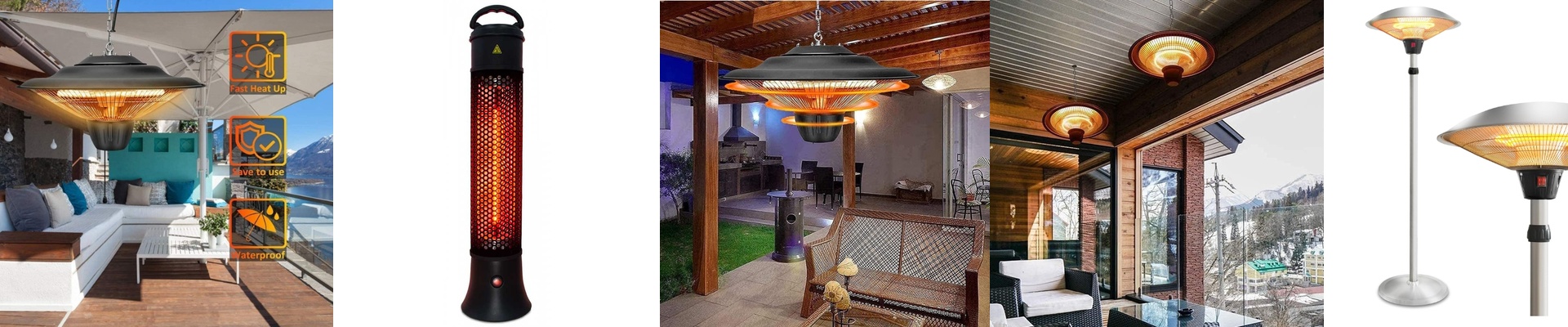
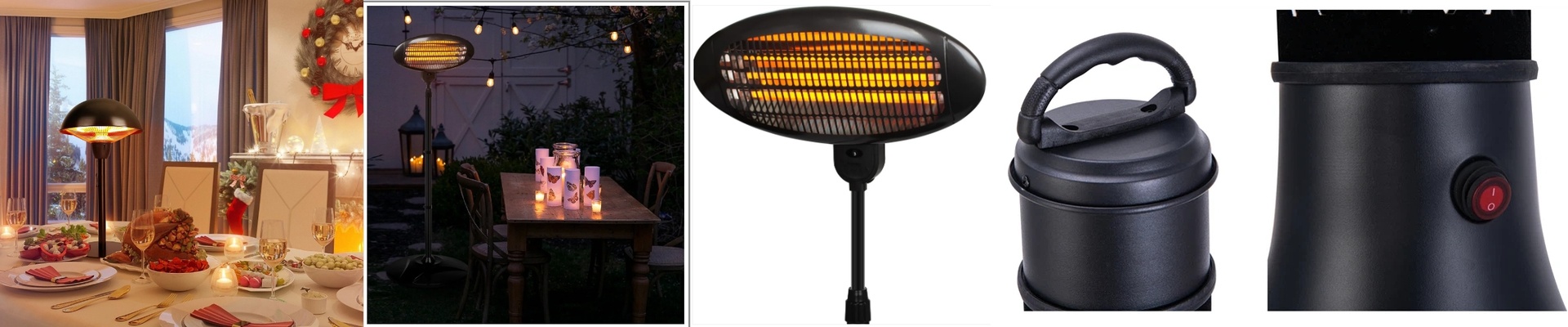
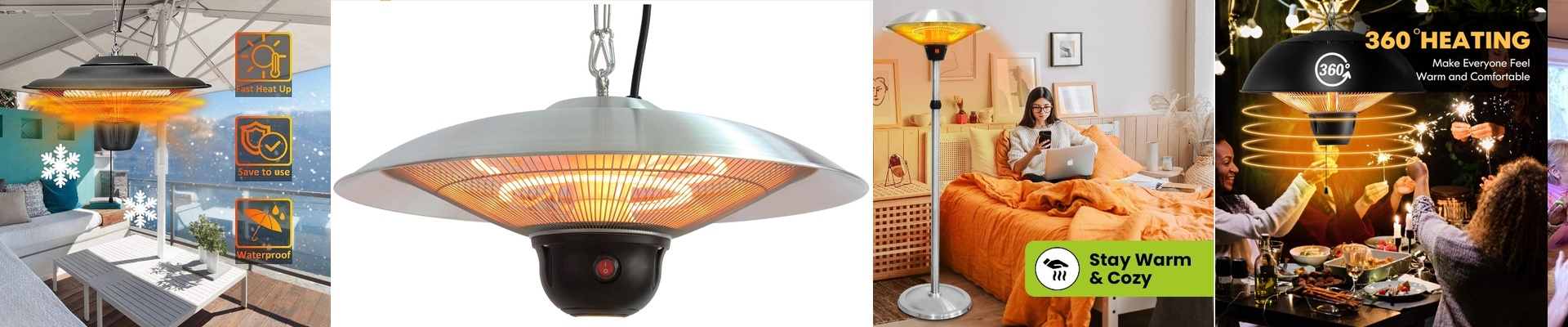
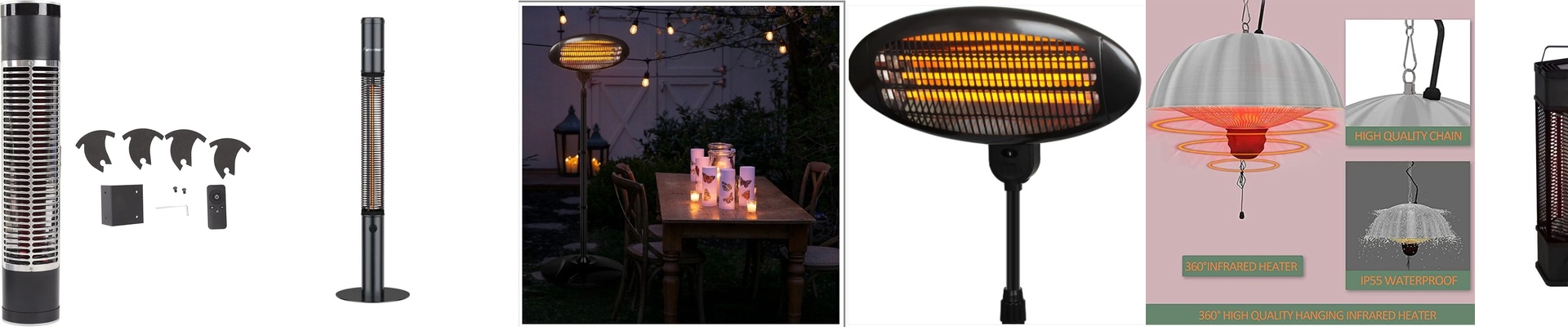
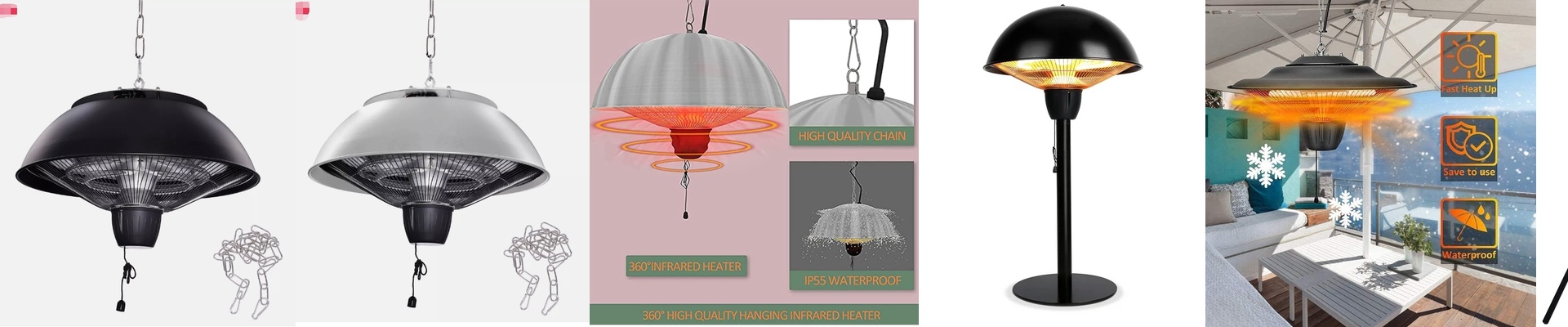

Step into a bathroom on a cold morning and the air hits you. Flip on an infrared heater that’s slow, patchy, or unpredictable, and it ruins more than comfort—it breaks the routine of warmth you should be able to count on. We built our touch screen bathroom infrared heaters to deliver steady radiant heat the second you need it, and the reason comes down to a quiet, unglamorous step: damp-heat aging testing, done the hard way.
Here’s what matters under the hood. We use a quartz tube element to produce short-wave infrared warmth—heating people and surfaces directly, not the air. The touch screen keeps it simple: adjustable output and timer functions so you can preheat before a shower and set it to shut down automatically. Internal seals, terminal blocks, and the touch interface are spec’d for humid environments. In aging, we cycle power, temperature, and humidity inside a controlled chamber that recreates years of steamy bathrooms, then we measure output stability, contact resistance, and insulation performance. Why does that matter in a bathroom? Because heat has to be ready when you are, and it has to stay consistent. Aging tests expose the weak points you can’t catch in a quick bench check—delamination, oxidation, and drift that only show up after repeated thermal shock. Run those cycles early, and you cut performance drop-off and extend service life. The payoff is even warmth without hot spots, fewer callbacks, and the kind of reliability that keeps running costs down because the unit hits set point fast and holds it. A few practical notes from the field. Install with clearance from direct water spray and follow the IP rating guidance in the manual. Match the circuit to the heater’s rated power and voltage, and don’t daisy-chain it with other high-draw devices. The touch screen is sealed, but it still likes to be kept dry during cleaning. If your bathroom runs very humid or has limited ventilation, consider adding an exhaust fan to keep the heater working within its designed operating range.
ادخل إلى الحمام في صباح بارد وستشعر بالهواء. تشغيل سخان بالأشعة تحت الحمراء بطيء، غير متساوٍ، أو غير متوقع، لا يؤثر فقط على الراحة بل يكسر روتين الدفء الذي يجب أن تعتمد عليه. قمنا بتصميم سخانات الأشعة تحت الحمراء للحمام المزودة بشاشة لمس لتوفير حرارة إشعاعية ثابتة فور الحاجة إليها، والسبب يعود إلى خطوة هادئة وبسيطة: اختبار تقادم الرطوبة والحرارة، بطريقة صارمة.
ما الذي يهم تحت الغطاء؟
نستخدم عنصر أنبوب كوارتز لإنتاج حرارة بالأشعة تحت الحمراء قصيرة الموجة—تسخن الأشخاص والأسطح مباشرة، وليس الهواء. شاشة اللمس تبقي الأمور بسيطة: خرج قابل للتعديل ووظائف مؤقت بحيث يمكن التسخين المسبق قبل الاستحمام وضبط الإيقاف التلقائي. الأختام الداخلية، كتل التوصيل، وواجهة اللمس مصممة للبيئات الرطبة. أثناء اختبار التقادم، نقوم بتكرار دورات الطاقة، درجة الحرارة، والرطوبة داخل غرفة محكمة تخلق بيئة مماثلة لسنوات من الحمامات المليئة بالبخار، ثم نقيس استقرار المخرج، مقاومة التلامس، وأداء العزل.
لماذا هذا مهم في الحمام؟
لأن الحرارة يجب أن تكون جاهزة عند الحاجة، ويجب أن تبقى ثابتة. تكشف اختبارات التقادم عن نقاط الضعف التي لا يمكن اكتشافها بفحص سريع—مثل الانفصال، التأكسد، والانجراف الذي يظهر فقط بعد تعرض متكرر للصدمات الحرارية. إجراء هذه الدورات مبكراً يقلل من تدهور الأداء ويطيل عمر الخدمة. النتيجة حرارة متساوية بدون نقاط ساخنة، تقليل إعادة الاستدعاء، والموثوقية التي تخفض تكاليف التشغيل لأن الوحدة تصل إلى نقطة الضبط بسرعة وتحافظ عليها.
بعض الملاحظات العملية من الميدان
ركب السخان مع ترك مسافة كافية عن رذاذ الماء المباشر واتبع تعليمات تصنيف IP في الدليل. طابق الدائرة مع قدرة السخان وفولتيته المقننة، ولا توصلها على التوالي مع أجهزة ذات استهلاك عالي للطاقة. شاشة اللمس مغلقة، لكنها تفضل أن تبقى جافة أثناء التنظيف. إذا كان الحمام رطبًا جدًا أو التهوية محدودة، فكر في إضافة مروحة شفط للحفاظ على عمل السخان ضمن نطاق التشغيل المصمم له.