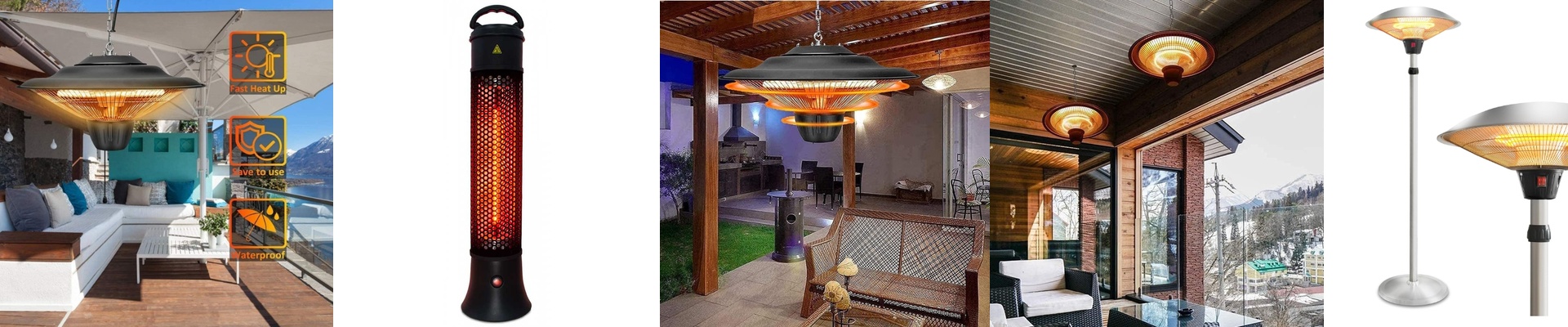
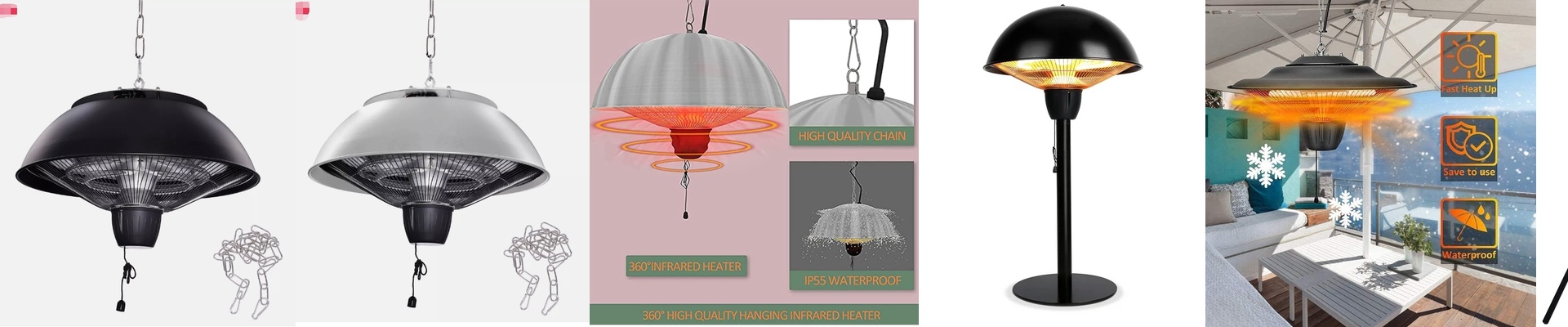
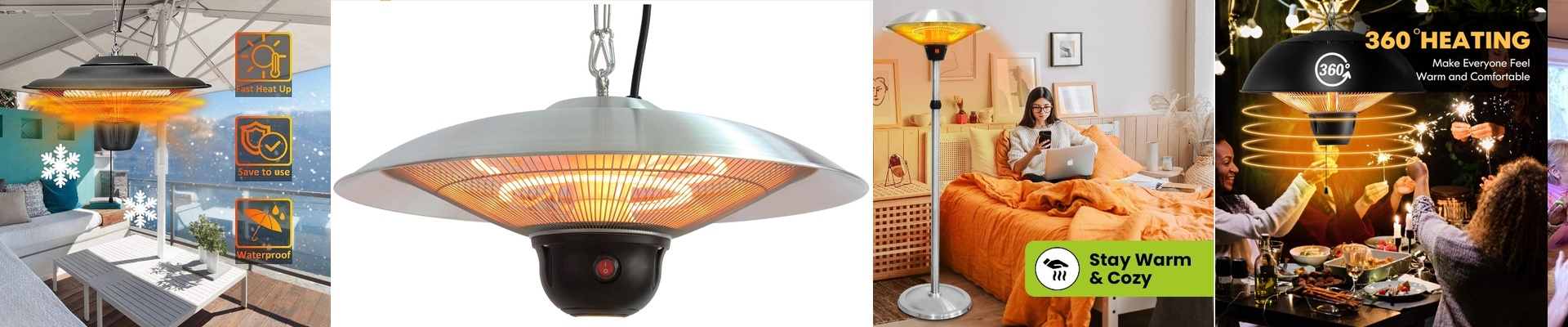
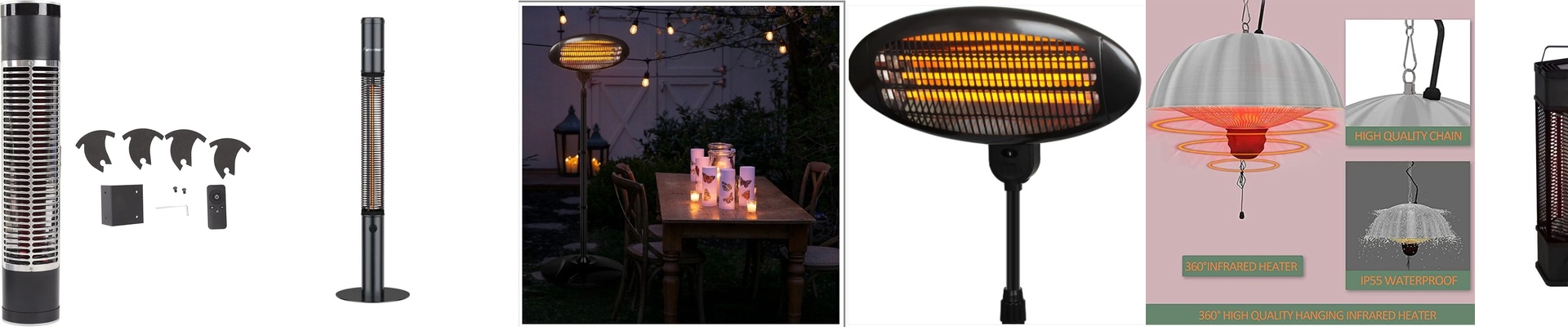
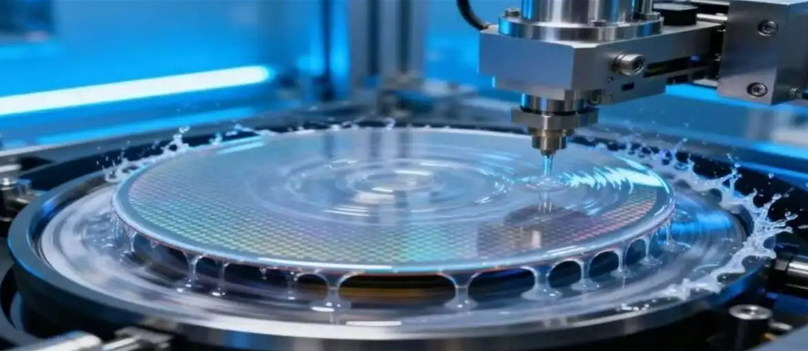
Watch the 300 mm wafer roll into the lithography cell. Spin on the photoresist, and the clock starts ticking. You need a soft bake that pulls out solvent without making the resist flow. You need a hard bake that crosslinks the resist without inducing slip or stress. And you need both—consistently—so the process survives lot after lot of qualification. ถาดเวเฟอร์ขนาด 300 mm ถูกส่งเข้าไปในห้องลิโทกราฟี จากนั้นเคลือบ photoresist และเริ่มจับเวลา คุณต้องการการอบแบบ soft bake ที่ดึงตัวทำละลายออกโดยไม่ทำให้เรซิสต์ไหล และต้องการการอบแบบ hard bake ที่ทำให้เรซิสต์เกิดการ crosslink โดยไม่ก่อให้เกิดการเลื่อนหรือความเครียด และที่สำคัญต้องทำได้อย่างสม่ำเสมอ เพื่อให้กระบวนการผ่านการทดสอบคุณภาพในหลายล็อตอย่างต่อเนื่อง
If the bake isn’t uniform, you’ll see linewidth variation across the field. Ramp too slow, and you burn thermal budget and drift your critical dimensions. Let the heater drift, and your calibration ages until your control charts stop telling the truth. In quantum dot (QD) fabrication, the stacks are thin, the interfaces are sharp, and the thermal window is tight. One bad bake can wipe out margin the device team fought hard to design in. ถ้าการอบไม่สม่ำเสมอ จะเห็นความแตกต่างของความกว้างเส้นบนพื้นที่ทั้งหมด การเพิ่มอุณหภูมิช้าเกินไปจะทำให้ใช้พลังงานความร้อนเกินงบและทำให้ขนาดสำคัญเปลี่ยนแปลง หากปล่อยให้ฮีตเตอร์เกิดการลอยตัว การสอบเทียบจะเสื่อมสภาพจนกราฟควบคุมไม่แสดงข้อมูลที่ถูกต้อง ในการผลิต quantum dot (QD) ชั้นฟิล์มบาง ขอบเขตชัดเจน และช่วงอุณหภูมิเข้มงวด การอบที่ผิดพลาดเพียงครั้งเดียวสามารถทำลายมาร์จิ้นที่ทีมพัฒนาผลิตภัณฑ์ตั้งใจออกแบบไว้ได้
That’s why we built our QD fabrication heaters around infrared (IR) heating. Semiconductor thermal work isn’t just about hitting a temperature—it’s about delivering temperature to the film, uniformly, with a rise and settle you can count on. นั่นจึงเป็นเหตุผลที่เราออกแบบฮีตเตอร์สำหรับการผลิต QD บนหลักการให้ความร้อนด้วยอินฟราเรด (IR) งานความร้อนในเซมิคอนดักเตอร์ไม่ได้หมายถึงแค่การทำให้อุณหภูมิถึงจุดที่ต้องการเท่านั้น แต่เป็นการส่งผ่านอุณหภูมิไปยังฟิล์มอย่างสม่ำเสมอ พร้อมการเพิ่มขึ้นและนิ่งตัวที่เชื่อถือได้
What matters under the hood
IR heating in wafer processing isn’t a heat gun pointed at a surface. It’s a controlled flux profile matched to the substrate and the film stack. การให้ความร้อนด้วย IR ในกระบวนการเวเฟอร์ไม่ใช่แค่การใช้ปืนความร้อนเป่าไปยังพื้นผิว แต่เป็นการควบคุมรูปแบบของฟลักซ์ความร้อนที่สอดคล้องกับวัสดุตั้งต้นและชั้นฟิล์ม
We use short-wave IR sources with a fast response, so you get rapid, repeatable ramps without overshoot. The emitters are arranged to give uniform power across the wafer plane, and the system measures temperature at multiple points to close the loop. The payoff is wafer-level uniformity of ±0.1°C across the full process window. เราใช้แหล่งกำเนิด IR คลื่นสั้นที่ตอบสนองรวดเร็ว เพื่อให้ได้การเพิ่มอุณหภูมิอย่างรวดเร็วและทำซ้ำได้โดยไม่เกิดการผ่านจุดสูงสุดเกินควบคุม ตัวปล่อยความร้อนถูกจัดวางให้กำลังไฟสม่ำเสมอทั่วทั้งระนาบเวเฟอร์ และระบบจะวัดอุณหภูมิหลายจุดเพื่อปิดวงจรควบคุม ผลลัพธ์คือความสม่ำเสมอของอุณหภูมิระดับเวเฟอร์ที่ ±0.1°C ในช่วงกระบวนการทั้งหมด
That number isn’t a slogan. It means when your photoresist soft bake runs 90–110°C, the center and edge see the same setpoint within tolerance. It means when your hard bake runs 100–130°C, you’re not chasing hot spots by trimming recipes. Uniformity translates straight into linewidth control and defect performance. ตัวเลขนี้ไม่ใช่แค่คำโฆษณา หมายความว่าเมื่อ soft bake photoresist ที่ 90–110°C ทั้งกลางเวเฟอร์และขอบจะได้รับอุณหภูมิเป้าหมายเดียวกันภายในค่าความคลาดเคลื่อน หมายความว่าเมื่อ hard bake ที่ 100–130°C คุณไม่ต้องแก้ไขสูตรเพื่อไล่จุดร้อน ความสม่ำเสมอนี้ส่งผลโดยตรงต่อการควบคุมความกว้างเส้นและประสิทธิภาพการลดข้อบกพร่อง
The heater is built for cleanroom reality. It runs in Class 1–100 environments without triggering particle excursions, because the hot zone is isolated from the mechanical envelope, and the exhaust path prevents outgassing carryover. The hot-zone materials are chosen to minimize particle shedding during thermal cycling. ฮีตเตอร์ถูกออกแบบให้เหมาะสมกับสภาพแวดล้อมห้องสะอาด ทำงานใน Class 1–100 ได้โดยไม่ก่อให้เกิดฝุ่นละอองเพิ่ม เนื่องจากโซนความร้อนถูกแยกออกจากโครงสร้างทางกล และทางระบายอากาศป้องกันการลำเลียงก๊าซที่ออกมาพร้อมฝุ่น วัสดุในโซนความร้อนถูกเลือกเพื่อลดการหลุดร่วงของฝุ่นในระหว่างการเปลี่ยนอุณหภูมิ
Reliability comes down to uptime and stability. Our units run 24/7 in production with zero unplanned downtime, and emitter life is rated beyond 5,000 hours with less than 5% output drift. That matters because every tool change is a qualification, and every qualification costs time and capacity. ความน่าเชื่อถือขึ้นอยู่กับเวลาทำงานต่อเนื่องและความเสถียร หน่วยของเราทำงานผลิตตลอด 24 ชั่วโมง 7 วันต่อสัปดาห์โดยไม่มีเวลาหยุดทำงานที่ไม่ได้วางแผน และอายุการใช้งานตัวปล่อยความร้อนเกิน 5,000 ชั่วโมงโดยมีการลอยตัวกำลังขาออกต่ำกว่า 5% ซึ่งสำคัญเพราะทุกการเปลี่ยนอุปกรณ์ต้องมีการทดสอบคุณภาพและการทดสอบแต่ละครั้งมีค่าใช้จ่ายทั้งเวลาและความสามารถในการผลิต
The control system keeps repeatability tight. Temperature repeatability holds within ±0.5°C bake to bake, and ramp control stays within 1% across cycles. For wafer drying and post-clean bake steps, the same platform gives you controlled desorption without thermal shock. The profile is reproducible—and reproducibility is what makes control charts worth looking at. ระบบควบคุมรักษาความสามารถในการทำซ้ำอย่างเข้มงวด ความสามารถในการทำซ้ำของอุณหภูมิอยู่ในช่วง ±0.5°C ระหว่างการอบแต่ละครั้ง และการควบคุมการเพิ่มอุณหภูมิอยู่ภายใน 1% ตลอดรอบ สำหรับขั้นตอนการทำให้เวเฟอร์แห้งและอบหลังทำความสะอาด แพลตฟอร์มเดียวกันนี้ช่วยให้การปล่อยก๊าซควบคุมได้โดยไม่เกิด thermal shock รูปแบบการอบทำซ้ำได้ และความสามารถในการทำซ้ำนี้เองที่ทำให้กราฟควบคุมมีความหมาย
Why this works for QD lines
Quantum dot fabrication is all about thin films, patterning, and interface control. The thermal steps aren’t auxiliary—they set the stage for everything that follows. การผลิต quantum dot เกี่ยวข้องกับชั้นฟิล์มบาง การสร้างลวดลาย และการควบคุมขอบเขตชั้นฟิล์ม ขั้นตอนความร้อนไม่ใช่ส่วนเสริมหรือรอง แต่เป็นการเตรียมพื้นฐานสำหรับกระบวนการถัดไปทั้งหมด
In photoresist processing, the soft bake is your first real control point. Too little energy, and solvent remains, giving you footing and scum. Too much, and the resist flows, killing resolution. Our IR heater dries the resist quickly and evenly, with a controlled plateau that removes solvent without pushing the resist past its flow point. ในกระบวนการ photoresist การอบแบบ soft bake คือจุดควบคุมแรกที่แท้จริง หากพลังงานน้อยเกินไป ตัวทำละลายจะยังคงอยู่ ทำให้เกิดคราบและสารตกค้าง หากมากเกินไป เรซิสต์จะไหล ทำลายความละเอียด ฮีตเตอร์ IR ของเราช่วยทำให้เรซิสต์แห้งอย่างรวดเร็วและสม่ำเสมอ ด้วยการนิ่งตัวของอุณหภูมิที่ควบคุมได้ ซึ่งช่วยขจัดตัวทำละลายโดยไม่ทำให้เรซิสต์ไหลเกินจุดไหลตัว
Then comes the hard bake, where the goal is crosslinking without stress. Nonuniform heating creates thermal gradients, and those gradients become stress gradients across the wafer. You end up with pattern slip, edge bead issues, and yield loss on the edge die. With ±0.1°C uniformity, the crosslink profile stays consistent across the wafer, and edge yield settles down. จากนั้นเป็นขั้นตอน hard bake ซึ่งเป้าหมายคือการทำให้เกิด crosslink โดยไม่ก่อให้เกิดความเครียด การให้ความร้อนไม่สม่ำเสมอจะสร้างความต่างของอุณหภูมิและความต่างนี้จะกลายเป็นความเครียดกระจายตัวบนเวเฟอร์ ส่งผลให้เกิดการเลื่อนของลวดลาย ปัญหา edge bead และการสูญเสียผลผลิตที่ขอบเวเฟอร์ ด้วยความสม่ำเสมอ ±0.1°C โปรไฟล์การ crosslink จะคงที่ทั่วทั้งเวเฟอร์ และผลผลิตที่ขอบจะเสถียรขึ้น
Wafer drying and post-clean bakes are just as touchy. A wet wafer entering the coat track can carry micro-droplets that leave marks after spin. A post-clean bake that’s too aggressive can pull moisture out too fast and drag particles back onto the surface. The IR platform gives you a rapid, controlled bake that brings the wafer to a stable state without thermal shock, keeping particle count low and surface energy consistent. ขั้นตอนการทำให้เวเฟอร์แห้งและอบหลังทำความสะอาดก็ละเอียดอ่อนเช่นกัน เวเฟอร์เปียกที่เข้าสู่สายการเคลือบอาจมีหยดน้ำเล็ก ๆ ที่ทิ้งรอยหลังการหมุน การอบหลังทำความสะอาดที่รุนแรงเกินไปอาจดึงความชื้นออกเร็วเกินไปและลากฝุ่นกลับมาบนพื้นผิว แพลตฟอร์ม IR ช่วยให้อบได้อย่างรวดเร็วและควบคุมได้ ทำให้เวเฟอร์นิ่งตัวโดยไม่เกิด thermal shock รักษาจำนวนฝุ่นให้ต่ำและพลังงานผิวคงที่
The gains are measurable. Tighter uniformity narrows linewidth distribution, which cuts trim budgets and mask iterations. Repeatable ramps reduce thermal load on underlying layers, preserving doping profiles and interface quality. Stable cycles cut scrap and rework—fewer rework cycles means higher throughput without adding capital. ผลลัพธ์สามารถวัดได้ ความสม่ำเสมอที่เข้มงวดขึ้นช่วยลดการกระจายของความกว้างเส้น ซึ่งลดงบประมาณการตัดแต่งและจำนวนครั้งในการเปลี่ยนหน้ากาก การเพิ่มอุณหภูมิซ้ำได้ช่วยลดภาระความร้อนบนชั้นล่าง รักษารูปแบบการเติมโดปและคุณภาพขอบเขตชั้นฟิล์มให้คงที่ รอบการทำงานที่เสถียรลดของเสียและงานแก้ไข งานแก้ไขที่น้อยลงหมายถึงอัตราการผลิตสูงขึ้นโดยไม่ต้องเพิ่มทุน
Energy use drops, too. IR heats the wafer and film stack directly, with minimal chamber heating. Setpoint is reached fast, and hold is steady without wide cycling. That lowers kWh per lot, and in high-volume fabs, that savings adds up fast. การใช้พลังงานลดลงด้วย IR ให้ความร้อนโดยตรงกับเวเฟอร์และชั้นฟิล์ม โดยแทบไม่ทำให้อุณหภูมิในห้องสูงขึ้น จุดตั้งอุณหภูมิถึงเร็วและรักษาอุณหภูมินิ่งโดยไม่ต้องมีการเปลี่ยนแปลงมาก ส่งผลให้การใช้ kWh ต่อหนึ่งล็อตลดลง และในโรงงานที่มีปริมาณสูง การประหยัดนี้สะสมอย่างรวดเร็ว
The practical details you’ll run into
An IR heater isn’t a drop-in swap for every thermal module. It needs line-of-sight to the wafer, and the mechanical envelope has to keep the hot zone from coupling heat into adjacent components. If space is tight, the integration plan has to cover emitter placement, shielding, and exhaust routing. ฮีตเตอร์ IR ไม่ใช่อุปกรณ์ที่สามารถเปลี่ยนแทนอุปกรณ์ความร้อนทุกชนิดได้โดยตรง ต้องมีเส้นสายตาตรงไปยังเวเฟอร์ และโครงสร้างทางกลต้องแยกโซนร้อนไม่ให้ถ่ายเทความร้อนสู่ชิ้นส่วนข้างเคียง หากพื้นที่จำกัด แผนการติดตั้งต้องครอบคลุมตำแหน่งตัวปล่อยความร้อน การป้องกัน และเส้นทางระบายอากาศ
Thermal mass matters. If you’re used to a high-thermal-mass hot plate, your process window may have been tuned around slow ramps. IR has lower thermal mass and faster response, which can expose timing mismatches in the recipe. Plan a re-qualification that captures ramp rate, soak time, and temperature settle—not just peak temperature. มวลความร้อนมีผล ถ้าคุณคุ้นเคยกับแผ่นความร้อนที่มีมวลความร้อนสูง ช่วงการทำงานของคุณอาจถูกปรับให้เหมาะกับการเพิ่มอุณหภูมิช้า IR มีมวลความร้อนต่ำและตอบสนองเร็วกว่า ซึ่งอาจเผยข้อผิดพลาดของเวลาการทำงานในสูตร ควรวางแผนการทดสอบคุณภาพใหม่ที่จับอัตราการเพิ่มอุณหภูมิ เวลาแช่ และการนิ่งตัวของอุณหภูมิ ไม่ใช่แค่ค่าอุณหภูมิสูงสุด
Film stacks can be absorptivity-sensitive. Different underlayers absorb IR differently, which can shift the effective temperature profile. We run absorptivity mapping across common stacks during installation, and the control system stores compensation profiles so the same setpoint delivers the same film temperature across product variants. ชั้นฟิล์มบางอาจตอบสนองต่อการดูดซับ IR ต่างกัน ชั้นรองรับแต่ละชนิดดูดซับ IR ไม่เหมือนกัน ทำให้โปรไฟล์อุณหภูมิที่แท้จริงเปลี่ยนไป เราทำการแมปการดูดซับ IR ของชั้นฟิล์มทั่วไปในขณะติดตั้ง และระบบควบคุมจะเก็บโปรไฟล์ชดเชย เพื่อให้จุดตั้งอุณหภูมิเดียวกันส่งมอบอุณหภูมิฟิล์มที่เท่ากันในผลิตภัณฑ์ที่หลากหลาย
Cleanroom compatibility is straightforward, but it isn’t automatic. The heater has to be plumbed to the right exhaust, and the exhaust must be balanced so you don’t get backflow when the door opens. Particle performance depends on airflow discipline. We provide cleanroom interface drawings and exhaust load calculations, and we verify particle counts during commissioning. ความเข้ากันได้กับห้องสะอาดทำได้ไม่ยากแต่ไม่ใช่อัตโนมัติ ฮีตเตอร์ต้องต่อระบบท่อระบายอากาศให้ถูกต้อง และทิศทางการไหลของอากาศต้องสมดุลเพื่อป้องกันการไหลย้อนเมื่อเปิดประตู ประสิทธิภาพในการควบคุมฝุ่นขึ้นอยู่กับการจัดการการไหลของอากาศ เราจัดเตรียมแบบแปลนการเชื่อมต่อห้องสะอาดและการคำนวณโหลดระบายอากาศ รวมถึงตรวจสอบจำนวนฝุ่นในช่วงการติดตั้ง
If you’re running quantum dot fabrication at pilot or volume, thermal steps are where wins and losses happen quietly. The bake isn’t a background step—it’s a control lever. หากคุณกำลังผลิต quantum dot ในระดับนำร่องหรือระดับปริมาณ ขั้นตอนความร้อนเป็นจุดที่ผลได้ผลเสียเกิดขึ้นอย่างเงียบ ๆ การอบไม่ใช่ขั้นตอนรอง แต่เป็นคันควบคุมสำคัญ
We deliver an IR heater that makes that lever precise, stable, and repeatable. You get a soft bake that removes solvent without flow, a hard bake that crosslinks without stress, and drying that leaves the wafer ready for the next coat. You get uniformity you can measure, repeatability you can qualify, and uptime you can bank on. เราจัดหา IR heater ที่ทำให้คันควบคุมนี้แม่นยำ เสถียร และทำซ้ำได้ คุณจะได้ soft bake ที่ขจัดตัวทำละลายโดยไม่ทำให้ไหล hard bake ที่ทำ crosslink โดยไม่มีความเครียด และการทำให้แห้งที่เตรียมเวเฟอร์พร้อมสำหรับการเคลือบขั้นต่อไป คุณจะได้ความสม่ำเสมอที่วัดได้ ความสามารถในการทำซ้ำที่ทดสอบได้ และเวลาทำงานที่เชื่อถือได้
When the wafer moves into the lithography cell, the bake shouldn’t be what you’re thinking about. It should just work. เมื่อเวเฟอร์ถูกส่งเข้าสู่ห้องลิโทกราฟี การอบไม่ควรเป็นสิ่งที่คุณกังวลใจ แต่ควรทำงานได้ตามต้องการโดยอัตโนมัติ