Why we stopped making outdoor heaters that are a pain to fix
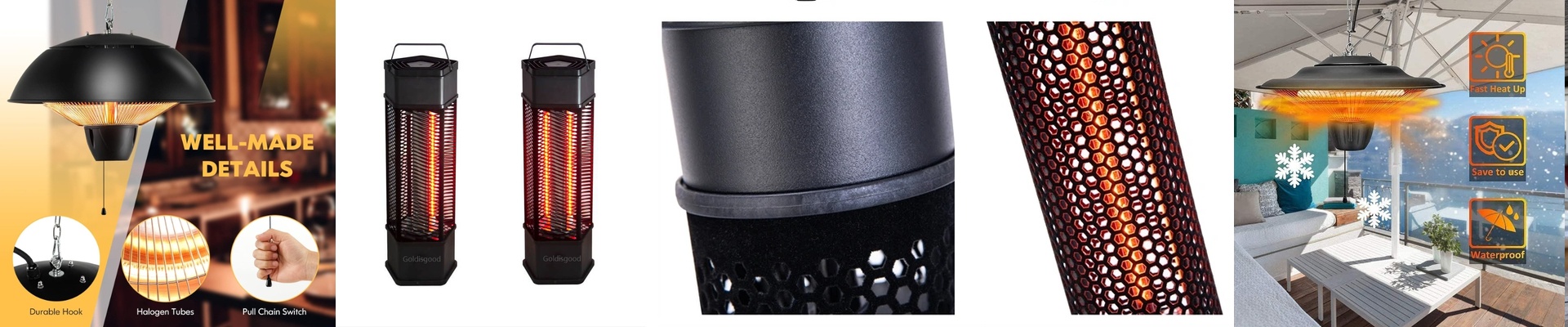
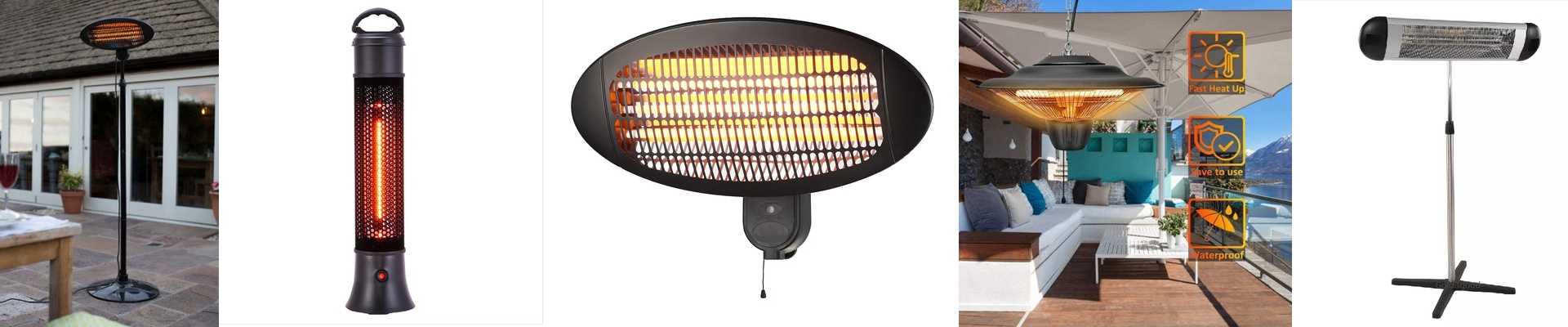
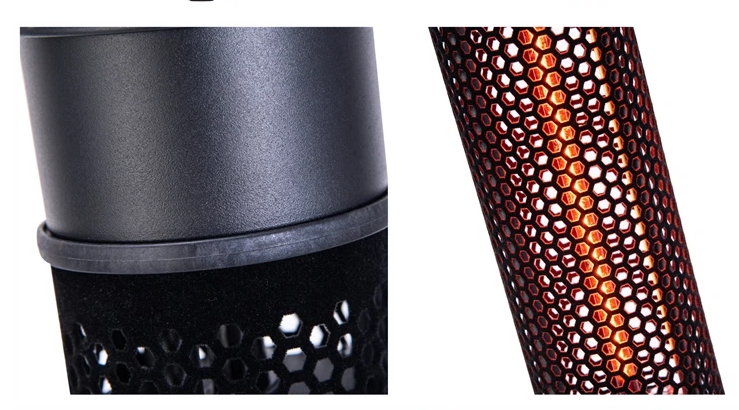
Let’s be honest: outdoor heaters live a rough life. They deal with rain, dust, and everything the weather throws at them. That’s why we build ours to IP65 standards. In plain English? The chassis is sealed tight so water jets can’t get inside and fry the electronics. But here is the problem. Usually, when you seal a box that tightly, you turn it into a fortress. If a heating element burns out, getting to it is a nightmare. You end up tearing the whole thing apart just to fix one tiny part. We got tired of that, so we changed the design. We moved to a modular heating block. The logic is simple. Most heaters force you to strip the entire housing just to reach the lamp. Not here. We use a slide-out module. If a tube gives up the ghost after five years, you don’t have to mess with the wiring or break the seal on the main control box. You just pop the housing and swap the tube. It’s that easy. The nerdy stuff (and the trade-offs) We use shortwave infrared tubes. Why? Because they heat objects, not the air. If you’re in an open garden, trying to heat the air is a losing battle. This is the only way to actually feel warm. We also spent a lot of time on the sockets. They’re built for high-temperature stability so the connectors don’t melt when the heater is cranking at full blast. Now, there is a small catch. A modular connection has a tiny bit more electrical resistance than a permanent solder joint. To fix that, we just over-spec the contact terminals. It ensures there’s no voltage drop, so you get the same heat you’d get from a hard-wired setup. Keeping things running When it’s time for a replacement, it’s a purely mechanical job. No soldering irons. No stress. You pull the old module out, slide the new one in, and lock it. What used to take hours now takes a few minutes. Your maintenance crew doesn’t even need to be master electricians to keep the place warm. Plus, the footprint stays exactly the same. You won’t notice any shift in how the heat is distributed after the swap. It just works.