

Stop Fighting Bathroom Mold with Just a Fan
Most people see those infrared bathroom lamps and think, “Oh, it’s just to keep me warm while I’m in a towel.” But there’s a lot more going on under the hood. If you look at it from an engineering perspective, these heaters are actually secret weapons for keeping your bathroom dry.
Why “Warming the Air” Doesn’t Work
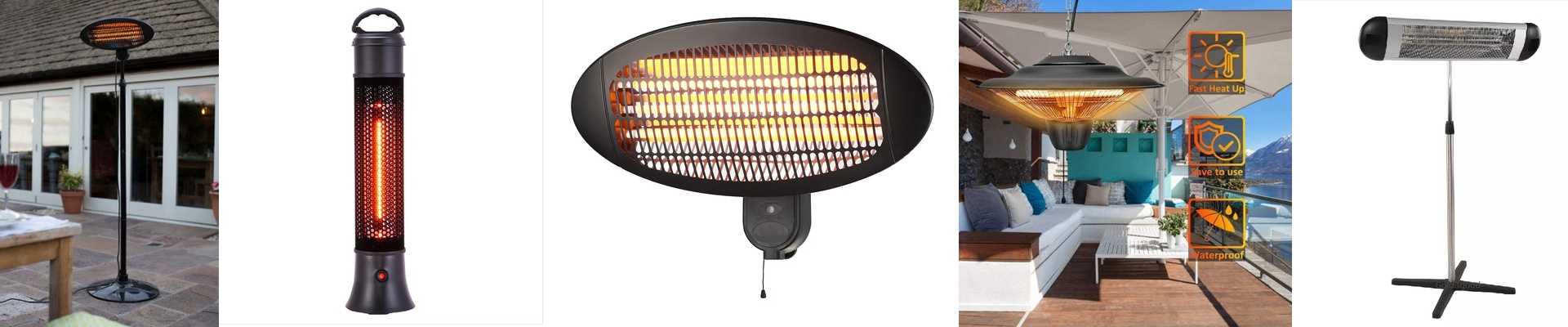
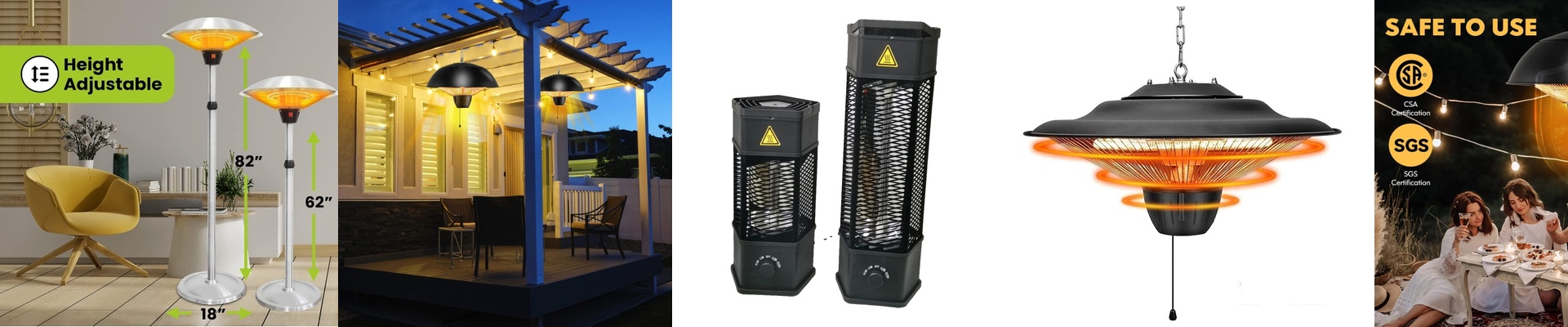
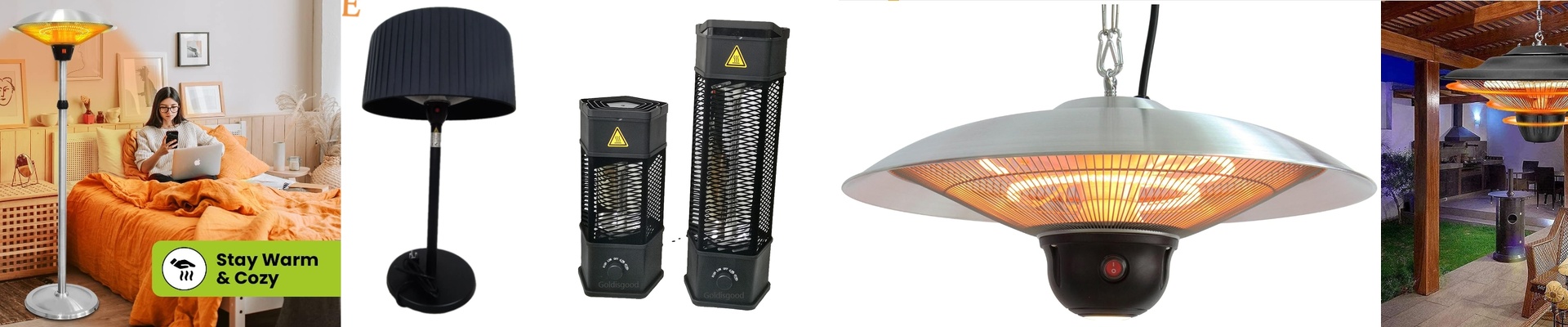
Here is the thing about standard heaters: they warm up the air. That sounds fine, but it often just pushes moisture against your cold walls, creating that gross condensation we all hate. Our lamps do things differently. Instead of focusing on the air, they target the surfaces. By using specific infrared waves, the heat actually sinks into the walls and ceilings. It keeps the surface temperature high enough that water simply can’t settle there. It’s like having a built-in drying system for your house. When the walls stay dry, mold never gets a chance to move in. You aren’t just making the room cozy; you’re protecting the building.
The Nitty-Gritty: IP55 and Safety
You’ll see the term “IP55” on the box. In plain English? It means the unit is built to handle a splashy, steamy environment without short-circuiting. We’ve sealed the electrical parts tight so you don’t have to worry about the humidity. But there is a balance to strike. Those quartz tubes put out a ton of heat instantly. That’s great for warmth, but if you cram a high-power unit into a tiny, enclosed space, you can actually overheat the mounting materials. You need a bit of breathing room around the fixture. Give it some air, and the housing will last for years without warping.
A Simpler Way to Breathe Easier
The best part? You don’t have to rely solely on a noisy exhaust fan. By using radiant heat to keep humidity down, you get rid of the dampness that mold loves. It’s a way to keep your bathroom healthy and fresh without having to rip open your walls to install complicated new ductwork. It’s simple. It works. And your walls will thank you.