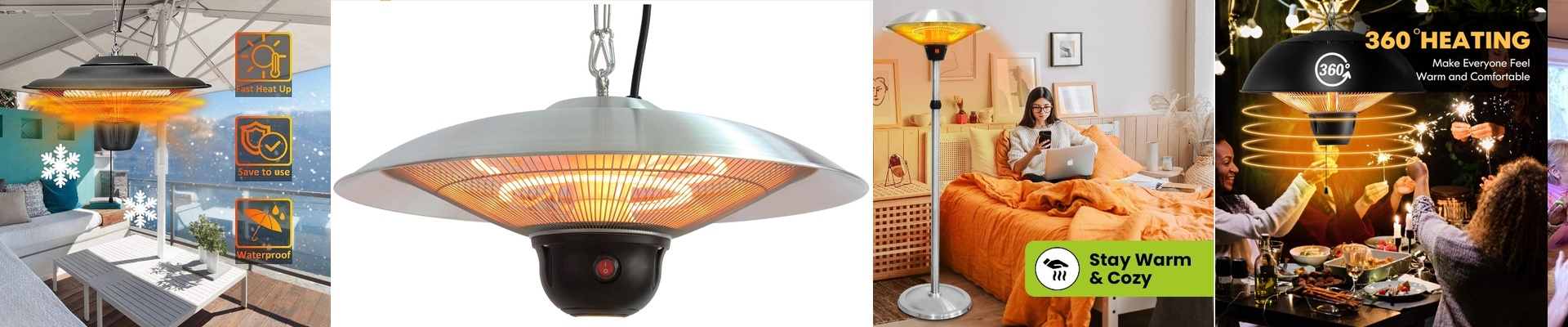
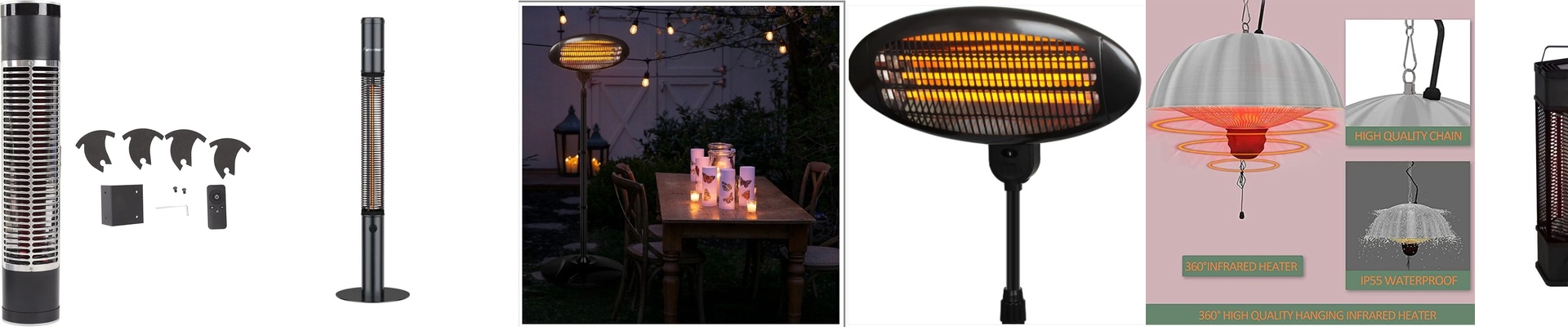
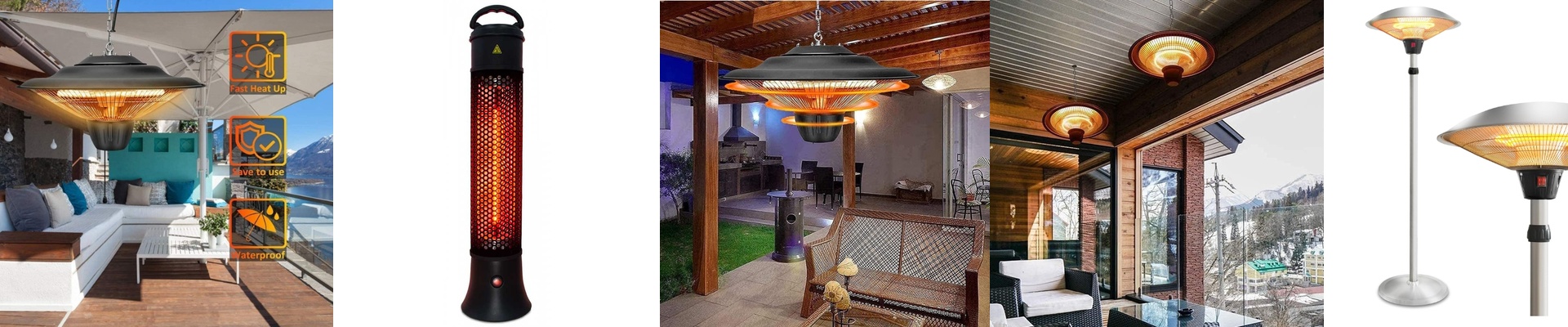
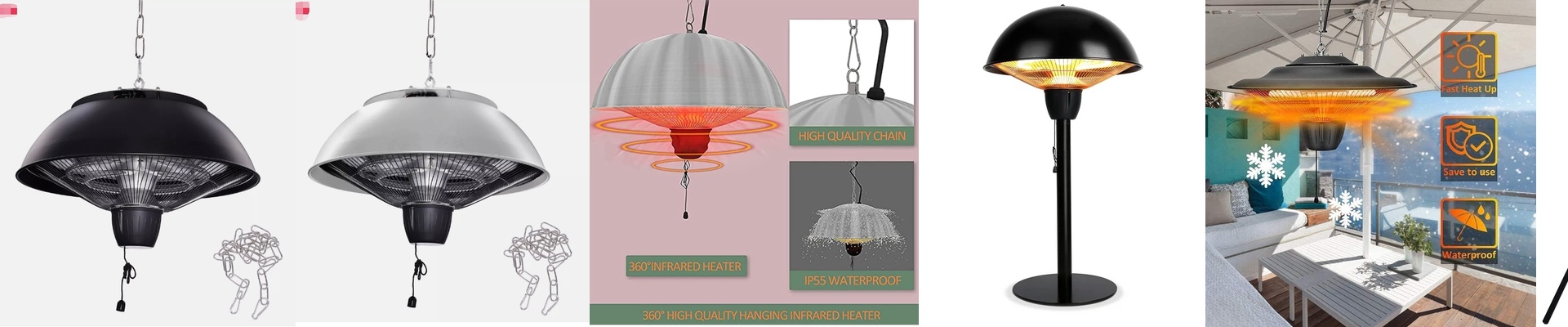
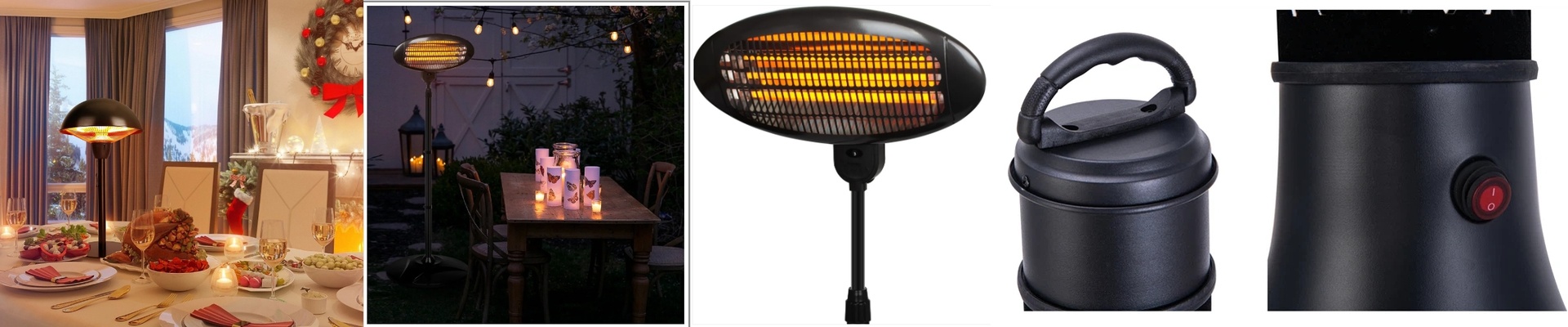

Step into a bathroom on a cold morning and the air hits you. Flip on an infrared heater that’s slow, patchy, or unpredictable, and it ruins more than comfort—it breaks the routine of warmth you should be able to count on. We built our touch screen bathroom infrared heaters to deliver steady radiant heat the second you need it, and the reason comes down to a quiet, unglamorous step: damp-heat aging testing, done the hard way. Here’s what matters under the hood. We use a quartz tube element to produce short-wave infrared warmth—heating people and surfaces directly, not the air. The touch screen keeps it simple: adjustable output and timer functions so you can preheat before a shower and set it to shut down automatically. Internal seals, terminal blocks, and the touch interface are spec’d for humid environments. In aging, we cycle power, temperature, and humidity inside a controlled chamber that recreates years of steamy bathrooms, then we measure output stability, contact resistance, and insulation performance. Why does that matter in a bathroom? Because heat has to be ready when you are, and it has to stay consistent. Aging tests expose the weak points you can’t catch in a quick bench check—delamination, oxidation, and drift that only show up after repeated thermal shock. Run those cycles early, and you cut performance drop-off and extend service life. The payoff is even warmth without hot spots, fewer callbacks, and the kind of reliability that keeps running costs down because the unit hits set point fast and holds it. A few practical notes from the field. Install with clearance from direct water spray and follow the IP rating guidance in the manual. Match the circuit to the heater’s rated power and voltage, and don’t daisy-chain it with other high-draw devices. The touch screen is sealed, but it still likes to be kept dry during cleaning. If your bathroom runs very humid or has limited ventilation, consider adding an exhaust fan to keep the heater working within its designed operating range.
추운 아침 욕실에 들어서면 차가운 공기가 느껴진다. 느리고 불규칙하거나 예측 불가능한 적외선 히터를 켜면 단순한 쾌적함 이상의 문제가 발생한다. 즉, 기대할 수 있는 일정한 온기의 흐름이 깨진다. 당사는 터치 스크린 욕실용 적외선 히터를 필요할 때 즉시 안정적인 복사열을 제공하도록 설계했으며, 그 핵심에는 조용하고 눈에 띄지 않는 과정인 고습 노화 시험이 있다.
다음은 내부에서 중요한 부분이다.
당사는 석영관 요소를 사용하여 단파 적외선 열을 발생시킨다. 이는 공기가 아닌 사람과 표면을 직접 가열한다. 터치 스크린은 출력 조절과 타이머 기능을 제공하여 샤워 전 예열이 가능하며 자동 종료 설정도 할 수 있다. 내부 씰, 단자대, 터치 인터페이스 모두 습한 환경을 고려해 사양이 정해져 있다. 노화 시험에서는 제어된 챔버 내에서 전원, 온도, 습도를 주기적으로 변화시켜 다년간의 습기 많은 욕실 환경을 재현하며, 출력 안정성, 접촉 저항, 절연 성능을 측정한다.
왜 욕실에서 이것이 중요한가?
히터는 사용자가 원할 때 즉시 가동되어야 하며, 일정한 온도를 유지해야 하기 때문이다. 노화 시험은 빠른 벤치 테스트에서 발견할 수 없는 약점을 드러낸다. 예를 들어 박리, 산화, 반복 열 충격 후 나타나는 출력 변동 등이다. 이러한 사이클을 초기에 적용하면 성능 저하를 줄이고 제품 수명을 연장할 수 있다. 그 결과, 국부 과열 없이 균일한 온도를 유지하고, 재작업 건수를 줄이며, 설정 온도에 빠르게 도달해 유지함으로써 운영 비용을 낮출 수 있는 신뢰성이 확보된다.
현장 적용을 위한 몇 가지 실무 사항.
직수 분사로부터 충분한 여유 공간을 확보하고, 매뉴얼에 명시된 IP 등급 지침을 준수해 설치한다. 회로는 히터의 정격 전력과 전압에 맞게 구성하며, 고전력 부하 장치와 병렬 연결하지 않는다. 터치 스크린은 밀폐되어 있지만 청소 시에는 건조 상태를 유지하는 것이 바람직하다. 욕실 내부가 매우 습하거나 환기가 제한적일 경우, 히터가 설계된 작동 범위 내에서 작동할 수 있도록 배기 팬 설치를 고려해야 한다.