




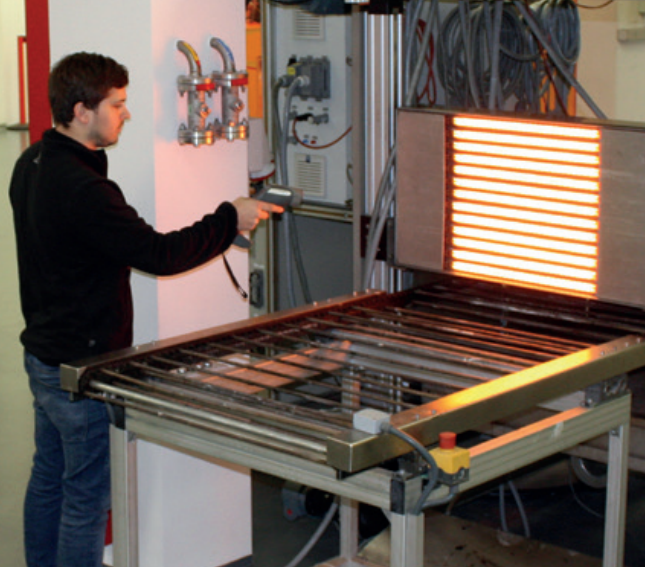
Keeping Your IR Heating Truly Clean
If you’re running a Class 100 cleanroom, you know the drill: one tiny speck of dust can ruin an entire batch of wafers. It’s stressful. Most IR lamps look fine on paper, but once they hit high temperatures, they start to fail. The adhesives flake off or the end caps start “outgassing,” sending invisible contaminants floating right onto your substrates. It’s a nightmare for anyone in semiconductor or medical device fab. The problem with standard gear Here is the thing: most IR emitters rely on organic sealants or cheap metals at the ends. When things get hot, those materials break down. They release volatile organic compounds (VOCs) into your air. We decided to scrap that approach. Instead, we use high-density ceramic end caps. Why? Because ceramics don’t outgas. They stay solid and stable even when the heat is cranking, which means no microscopic debris raining down on your work. The materials that actually work We stick with high-purity synthetic quartz. It lets short-wave IR pass through easily, so you get a fast heat-up and way more control over your temperature. Since we’ve stripped out the junk you find in commercial-grade quartz, the performance doesn’t dip after a few hundred cycles. It just stays consistent. But a word of caution: watch your power density. If you push too many watts through a tiny footprint, the spot where the ceramic meets the quartz gets incredibly hot. If your cooling airflow isn’t dialed in, you’re asking for thermal shock. I always suggest a staggered ramp-up. Give the quartz and ceramic a second to expand at their own pace, and you’ll avoid those nasty cracks. Making it work in your shop These emitters are basically drop-in replacements. You don’t have to rebuild your whole array. The best part? You stop dealing with that annoying “dusting” effect you get with cheaper lamps. That means you aren’t scrubbing down your cleanroom nearly as often. You get a steady thermal profile, your production stays clean, and you can actually sleep at night knowing your batch isn’t being ruined by a flaking lamp cap.