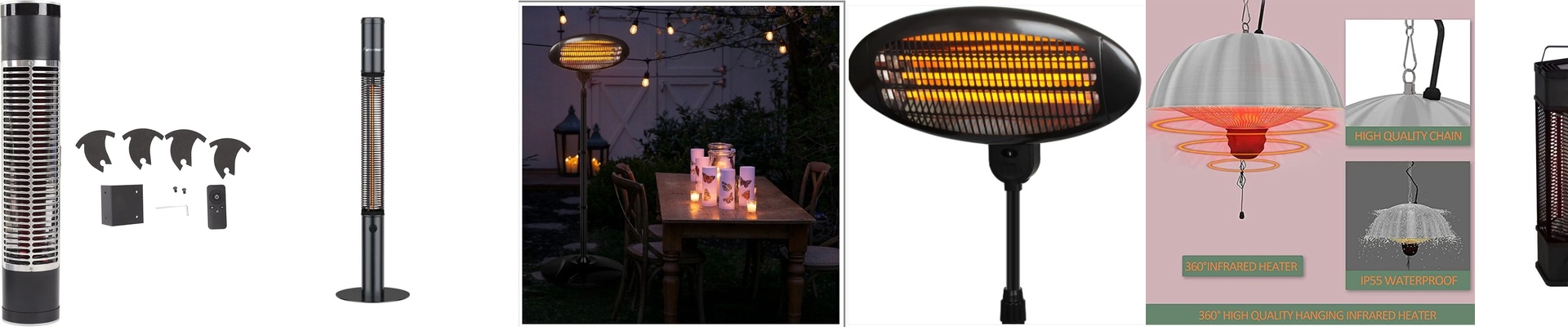
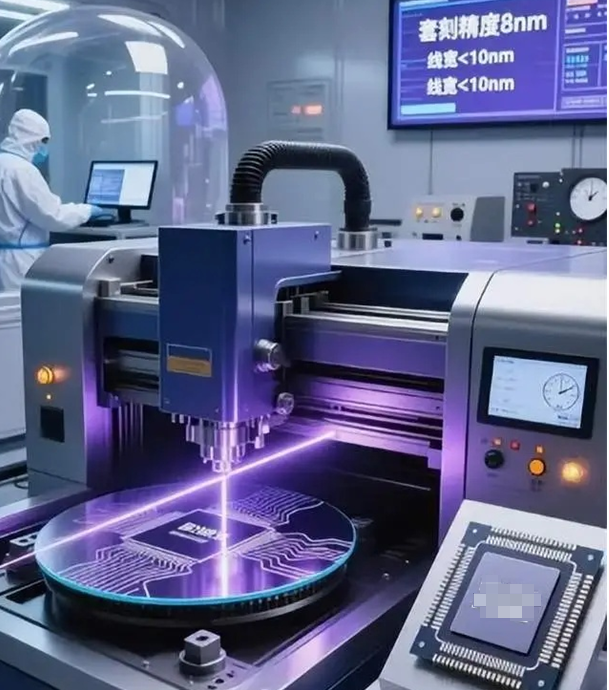
On the fab floor, you measure the margin for error in photoresist processing in nanometers. A few degrees off during soft bake or hard bake is enough to shift critical dimensions and kill yield. We built our infrared photoresist baking lamps to take that uncertainty off the table. What matters technically We use short-wave infrared (NIR) emitters to drive energy straight into the photoresist layer, so thermal lag stays minimal. Across the full bake profile, you get wafer-level uniformity within ±0.1°C. Closed-loop control keeps that precision steady even when line voltage wobbles or ambient temperature drifts. Zero particle generation is table stakes in Class 1–100 cleanrooms, and these lamps deliver it. Output stability holds for over 5,000 operational hours. Why it works in lithography Soft bake is all about driving solvents down to the right residual level, and hard bake locks the pattern in. Run these thermal steps with repeatability, and you get real process control. You see tighter line-width control, fewer defects, and cycle times you can bank on. Rapid ramp-up and cool-down also cut energy use compared to conventional hotplates, so operating costs drop without slowing throughput. What you need to know up front The lamps drop straight into existing tracks and coaters, but they need a dedicated, clean power supply to keep spectral stability where it should be. Emitter-to-wafer distance has to be set precisely—any deviation will throw off your thermal budget and uniformity. Expect a short commissioning window to dial in the profile for your specific photoresist chemistry. Once it’s set, the process stays locked.