

Why your dressing area is still freezing (and how to actually fix it)
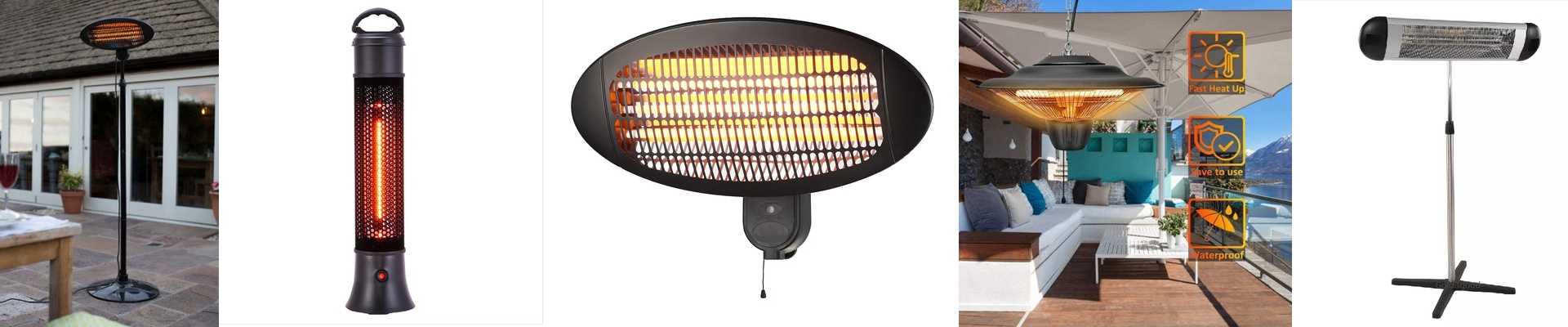
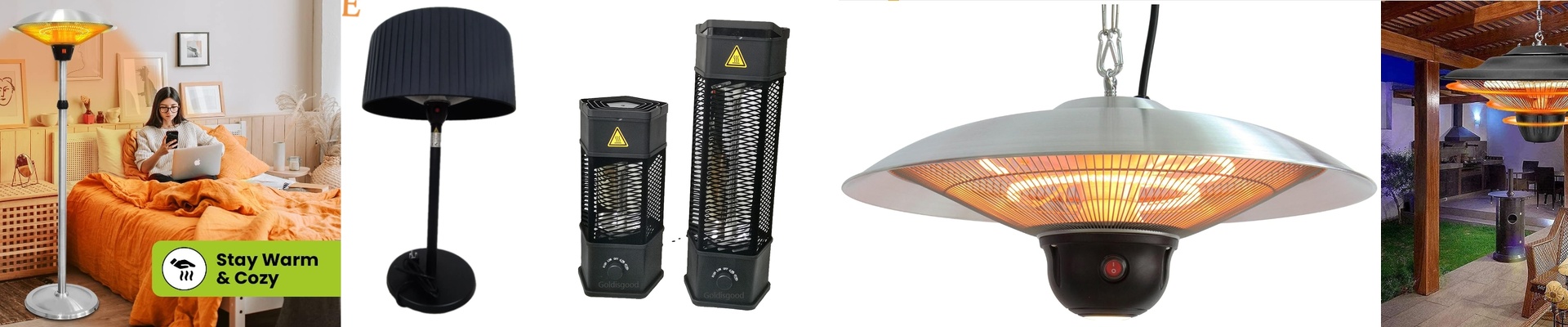
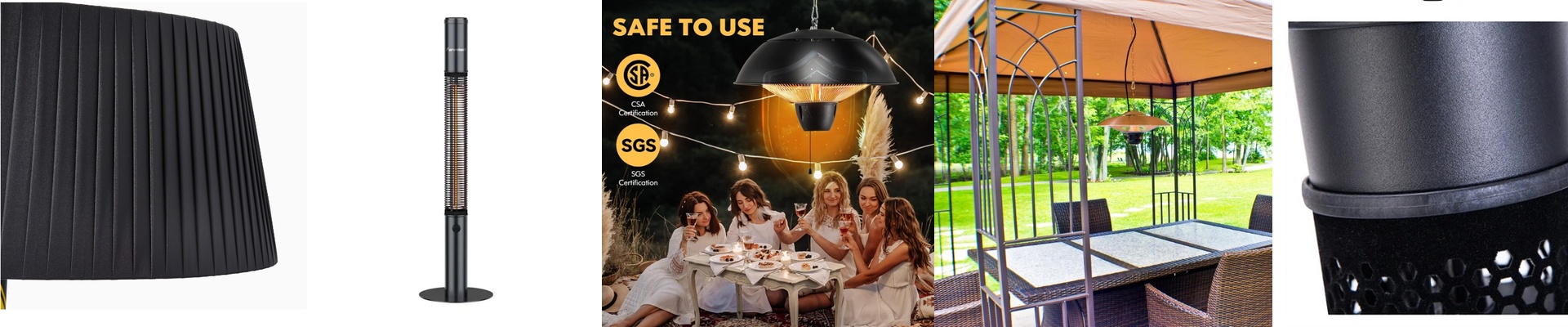
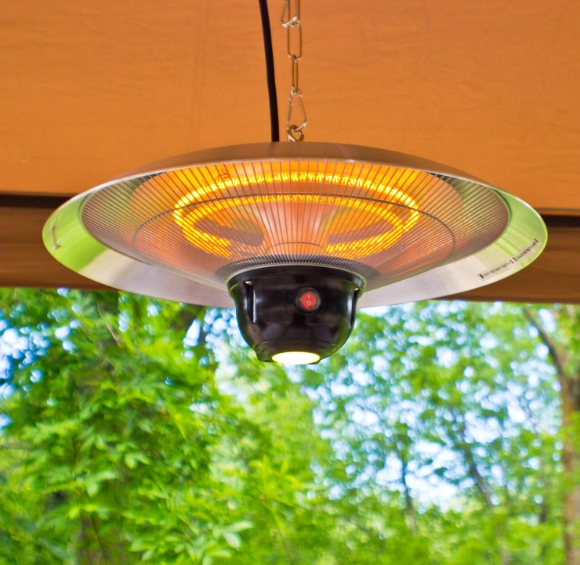
Ever notice how in those open-concept changing areas, you can have the heat cranked up but you’re still shivering? It’s because standard heaters just push warm air up toward the ceiling. By the time that heat actually reaches you, it’s gone. We handle this differently. Instead of trying to warm up the whole room, we use short-wave infrared (IR) towel rails. Think of it like the sun. The air around you can be chilly, but you still feel that deep, direct warmth on your skin. These rails send heat straight into the towel and your body, skipping the middleman. Heat that doesn’t make you wait Most radiators take forever to get going. You’re standing there in a cold room, waiting twenty minutes for a piece of metal to finally feel warm. It’s frustrating. With our IR units, you flip a switch and you feel it. Almost instantly. We push for high wattage because that “five-star hotel” feeling only works if the warmth hits you the second you step toward the rail. The gear inside To get that kind of speed without burning everything out, we use quartz glass tubes filled with halogen. We also add special coatings to the tubes. Why? Because it helps the heat soak into cotton and microfiber much faster. It’s a small detail, but it’s why the towels actually feel hot, not just lukewarm. One quick heads-up on the install: these pull a decent amount of power when they first kick on. Just make sure your breakers can handle the spike so you aren’t tripping the power every time someone wants a warm towel. The catch Now, here is the thing you need to know: radiant heat is a straight line. If you can’t “see” the rail, you won’t feel the heat. It isn’t a replacement for your AC or main heating system. It’s about heating the person, not the room. Because of that, you have to be smart about where you put them. If you just throw them in randomly, you’ll end up with cold spots. We usually map out the layout first to make sure the warmth covers exactly where people are actually standing and changing.