Stop the Bathroom Mold Fight Before It Starts
Most people think bathroom heat lamps are just for keeping your toes warm on a chilly morning. But as the people who actually build these things, we see them as something more: a weapon against mold.
How it actually works
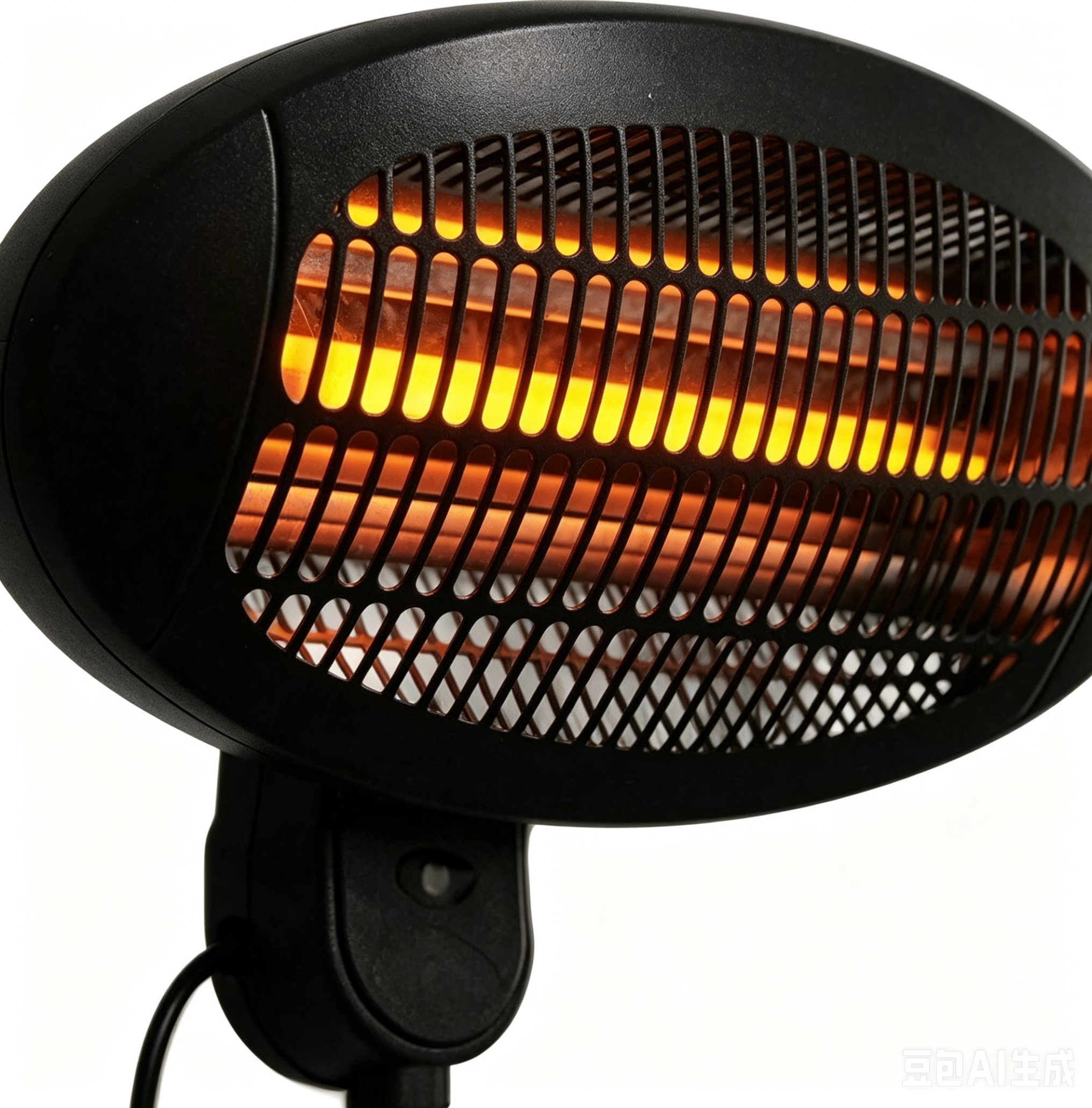
Here’s the thing about standard heaters—they just warm up the air. That’s fine, but it doesn’t do much for the damp spots hiding in your grout or on the ceiling. Our lamps use short-wave infrared. Instead of fighting the air, they go straight for the water molecules clinging to your walls. It’s like a targeted strike. The heat hits the moisture, kicks it into high gear, and makes it evaporate fast. By keeping those surfaces warm and dry, you’re basically taking away the mold’s favorite food. No standing water, no mold spores. Simple as that.
Built for the steam
Bathrooms are brutal on electronics. Steam gets everywhere. To stop the lamps from frying, we tuck the heating element inside a sealed, waterproof shell. We use heavy-duty borosilicate glass or coated quartz because it can take the heat and the humidity without cracking or burning out. We also spend a lot of time tuning the power. You want it to feel hot the second you flip the switch, but you don’t want to melt your fixture. It’s a delicate balance, but we’ve got it dialed in.
A few things to watch out for
Now, you can’t just throw these into any old ceiling. Since these lamps put out a lot of intense, direct heat, you have to make sure your ceiling can handle it. If you’ve got cheap plastic trim up there, be careful—the heat can warp it over time. And a pro tip on the wiring: these lamps pull a lot of juice when they first kick on. Do yourself a favor and make sure you’re using the right gauge wire on a dedicated circuit. Otherwise, you’ll be spending your morning tripping the breaker in the garage.