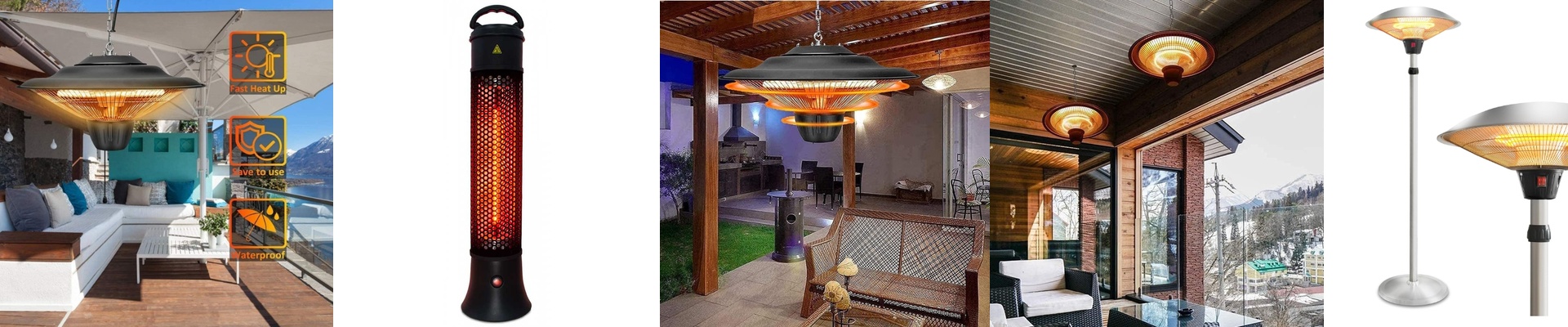
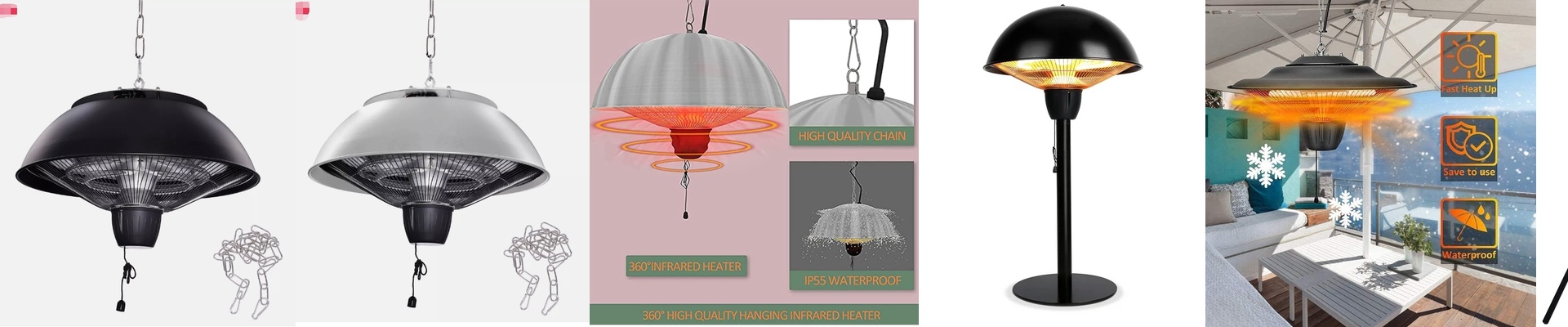
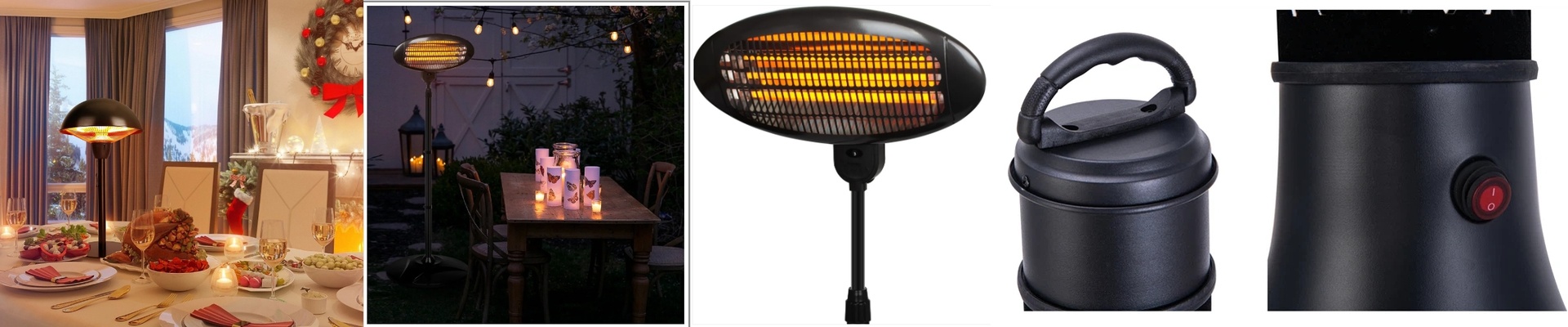


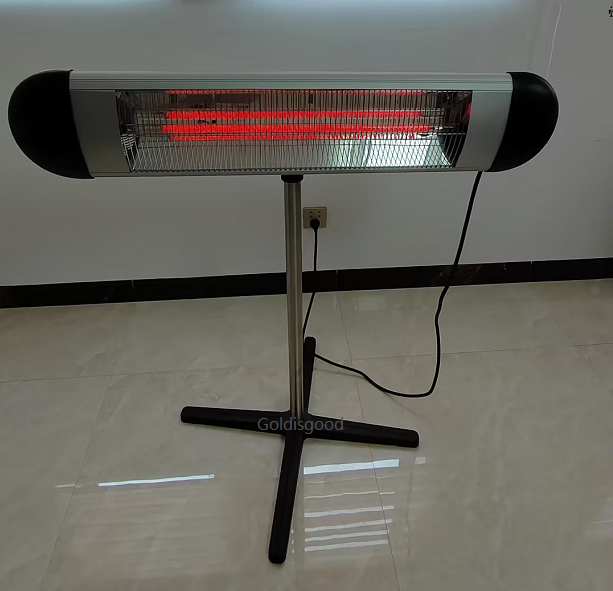
Step into a workshop on a bitter morning and your breath hangs in the air. Fingers stiffen, tools feel clumsy, and focus slips while you wait for a space heater to cough out warmth. Then the infrared unit turns on—and the change is immediate. You feel heat land on your skin like sunlight, not just air getting warmer. That’s the point: comfort that shows up without waiting.
What Matters Technically
Heavy-duty infrared heaters work by radiating heat outward, directly warming people and objects in their path. Inside, a high-temperature emitter—often a quartz tube or a carbon fiber element—heats up within seconds, producing short-wave infrared warmth. You don’t have to heat the whole room first; you warm what you actually touch. Many units run on 120V or 240V, with outputs that match real spaces—think 1500W for a focused zone and 3000W and up for larger areas. A built-in thermostat keeps the feel steady, while tip-over protection and overheat protection address the practical risks of long sessions. For outdoor use, look for an IP rating that speaks to protection against dust and water splashes.
Why It Works Here
This is the heater you want when time matters and comfort is non-negotiable. In a chilly garage, the radiant warmth reaches your hands and face right away, so you can work without layering up to the point of overheating. In an outdoor sitting area, the heat stays where you place it, making conversation feel natural instead of huddled. Because the heat is directional, you’re not paying to warm air that escapes through gaps. The result is a space that feels welcoming sooner, with fewer drafts and less fuss.
Things to Know
Infrared heat is most effective in line-of-sight. Walls, curtains, and even your own clothing will absorb some warmth, and objects in the beam will cast cooler shadows. For best results, position the heater to cover the seating or work area directly, and keep clearances clear. Because the emitter runs hot, choose a location where the heater is protected from hard impacts and where children and pets are unlikely to brush against it.