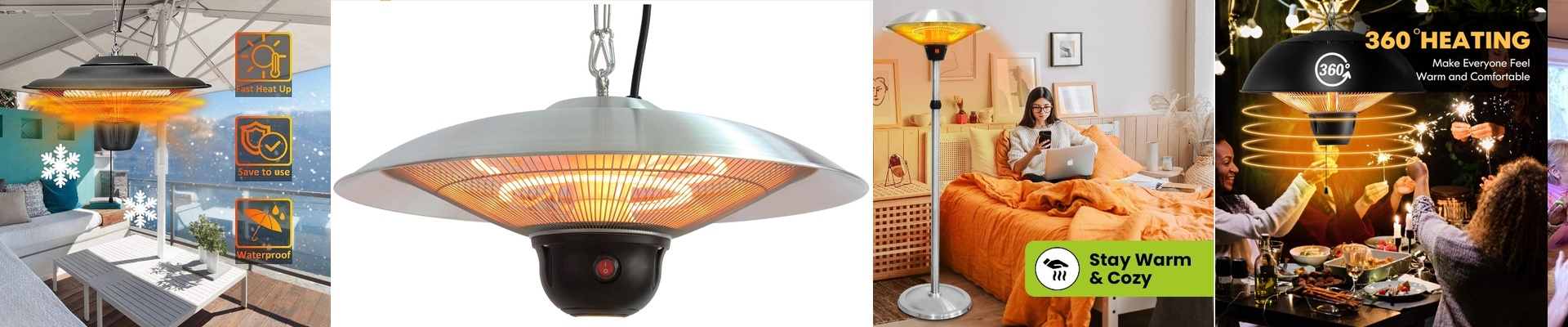
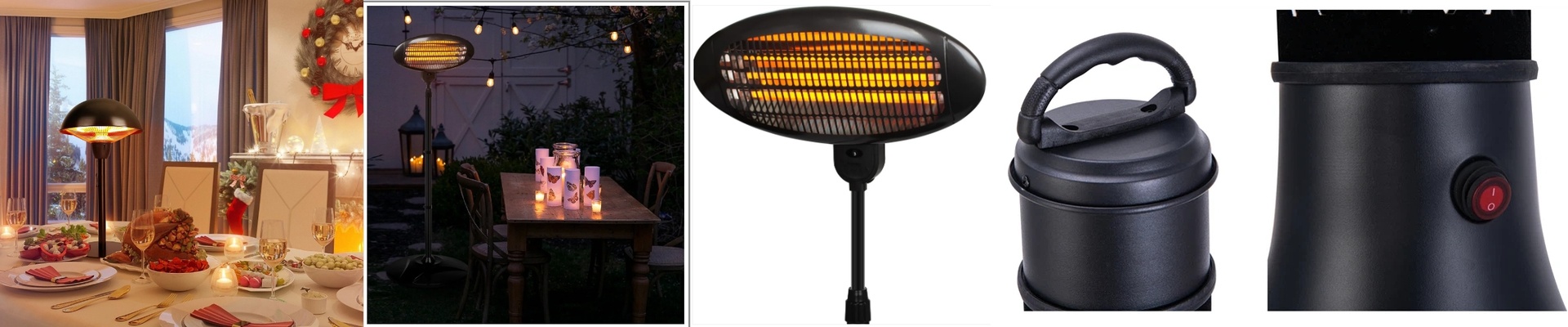
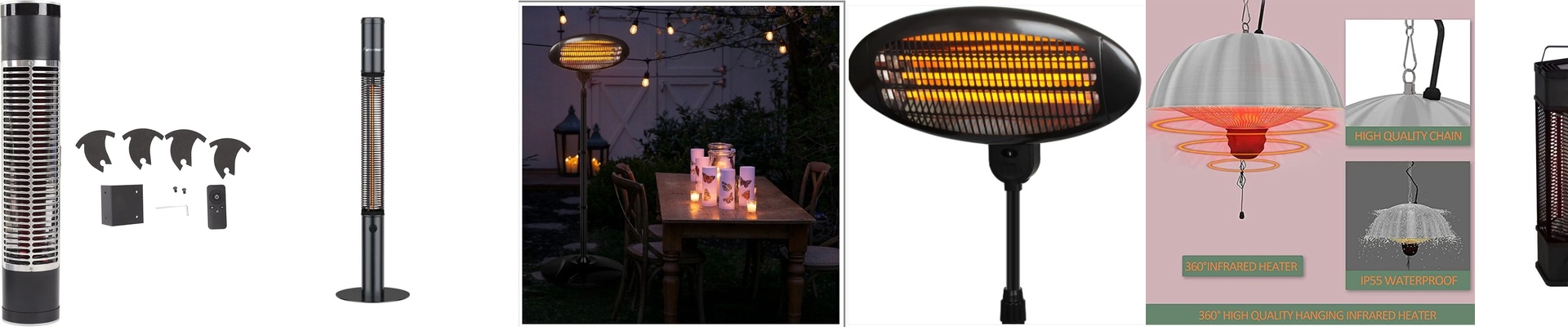
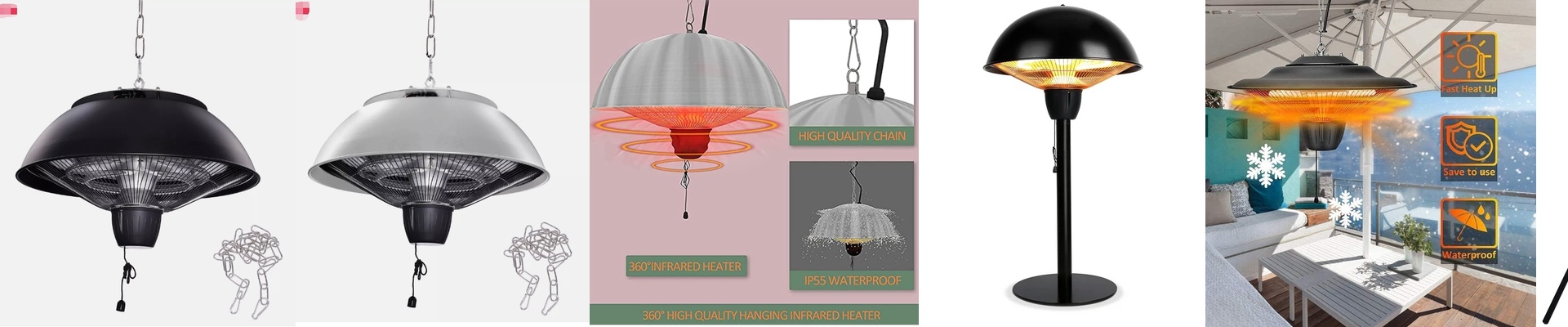
Picture this: you flip the switch on an electric fireplace heater after a long day. Warmth hits you immediately—no fuss, no smoke. Now take that same comfort and pitch it to buyers in London, Dubai, or Toronto. Different voltages, different plugs. That’s where manufacturing flexibility stops being a talking point and becomes the difference between a sale and a stall.
What matters under the hood
We build these units around infrared elements—quartz tubes and carbon fiber options—because radiant heat works the way sunlight does: direct, even, and immediate. The core question is always compatibility. We engineer the heaters to run on 120V and 240V systems, with plug configurations for North America, Europe, the UK, and beyond. The heating performance stays the same across regions. What changes is the internal wiring, the transformer, and the terminal block, so the unit matches local standards. Wattage holds steady, from 1,500W for a standard living room up to 3,000W for larger spaces. You get the same steady heat output, no matter where it’s installed.
Why this approach clears the road
Global customization removes the friction that kills deals and annoys homeowners. Buyers want plug-and-play comfort, not a scavenger hunt for adapters. Match the local voltage and plug type, and installation becomes straightforward. The heater runs at full efficiency, without losses from a voltage mismatch. That means quicker setup, fewer service calls, and a living room that feels welcoming within minutes. Infrared warmth hits people and objects first, so the space feels cozy sooner, and the energy use stays focused where it matters.
What to keep in mind
Because we tailor each unit to regional power standards, lead times depend on the specific voltage and plug configuration. Confirm the local supply before you place the order. For indoor electric fireplace heaters, clearance is non-negotiable. Keep combustibles at the recommended distance and make sure there’s proper ventilation. This isn’t a sealed-combustion heater—it needs airflow to hold stable temperatures and protect the internal components.