




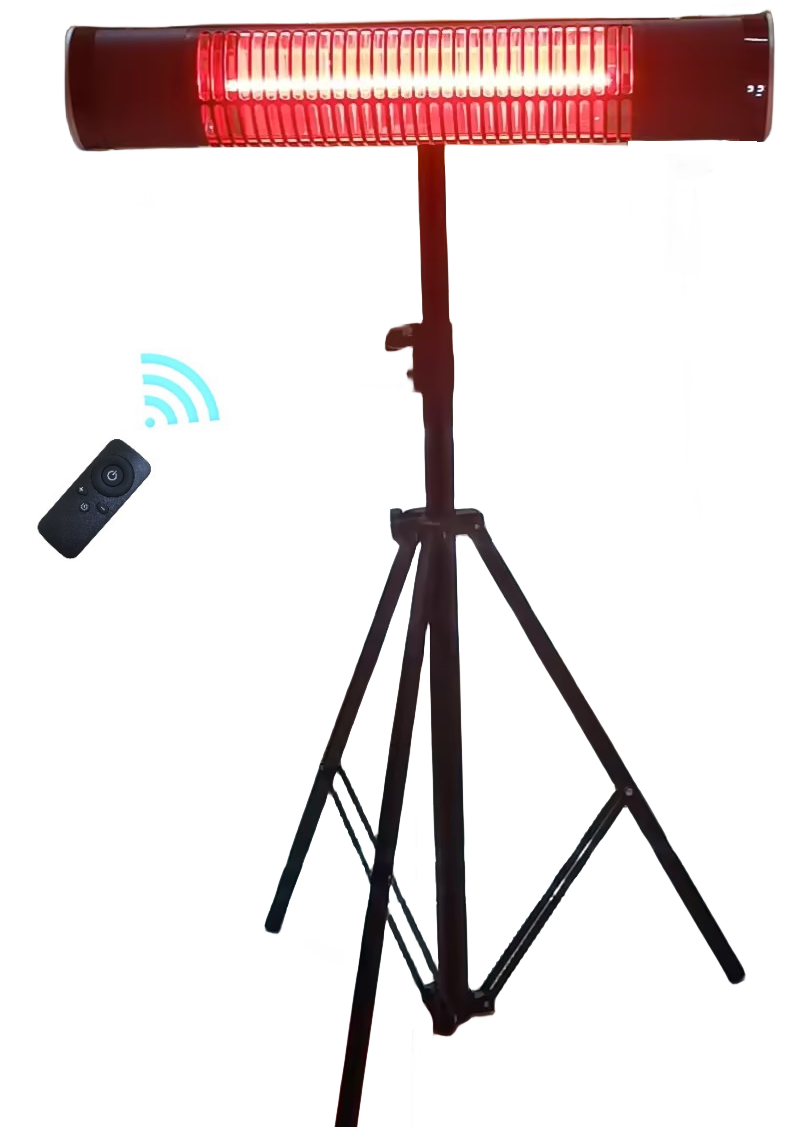
The garage door comes down, and the cold hits hard. Tools feel awkward in your hands, joints stiffen up, and the day’s work starts to grind to a halt. Plenty of heaters out there look the part but skimp where it counts. A CE-certified infrared garage heater? That’s the practical difference between finishing the job and getting stuck. What Matters Under the Hood Infrared garage heaters don’t waste time heating air. They go straight to warming people and work surfaces. Inside, you’ll find a quartz tube or a carbon fiber element pushing out radiant heat that travels at the speed of light—so you feel the warmth the second you flip the switch. Specs are picked for real garages: 120V or 240V options, 1500–5000W output, and either a grounded plug or hardwire terminals for dependable power. A built-in thermostat keeps the temperature steady, and tip-over protection shuts things down if the unit gets knocked over. Pay attention to the IP rating—garages are dusty and drafty—and make sure the mounting brackets are stout enough for overhead or wall installs. Why This Fits the Workshop Workshops need heat that shows up fast and holds steady. Radiant warmth keeps your core warm and your hands steady, so you can measure, weld, paint, or tune without waiting around for the space to heat up. Because the heat goes straight to objects, not the air, you don’t pay as big a price when the door opens. Energy use stays focused, and the unit doesn’t cycle as hard, which helps keep operating costs predictable. With CE certification, the safety and construction requirements have been independently checked, so you can spec these for multiple bays and shift work without second-guessing. Here’s What to Keep in Mind Installation is straightforward, but you still need the right circuit. A 1500W unit will often run off a standard 120V outlet. Step up to 3000W and above, and plan for a dedicated 240V line—have a licensed electrician handle that. Clearances matter. Keep the heater away from combustible materials, and don’t expose it to direct rain unless the model is rated for it. Match wattage to your space: a 20-foot by 20-foot garage typically needs 4000–5000W to stay comfortable during winter work. Expect instant heat, not library-quiet operation. The glow and hum are just the unit telling you it’s on and doing its job.