
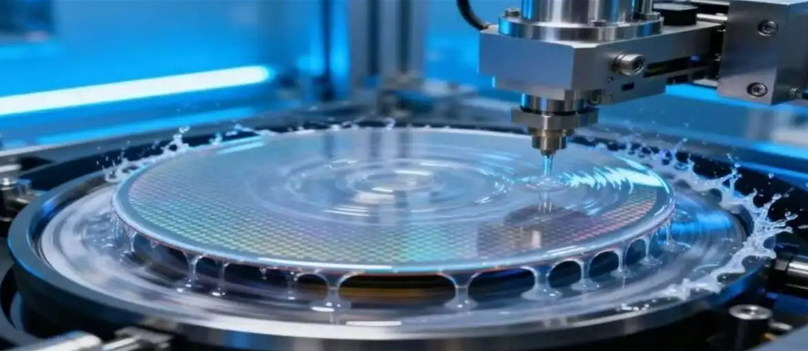
Getting the Gap Right: IR Wafer Heating
In semiconductor manufacturing, we use shortwave IR lamps to hit those precise temperature ramps. It’s a great way to save energy, especially if you’re trying to run a greener factory. But here’s the thing: the real secret to efficiency isn’t just the lamps themselves. It’s the gap between the lamp and the wafer. I call it the “safety distance,” and it’s where you either win or lose. The physics of the gap Think of it like this: the distance between that quartz envelope and the wafer surface controls how the heat actually hits. If you mount them too close? You’re asking for trouble. You’ll end up with hot spots or, worse, thermal shock that ruins the wafer. But if you push them too far back, you’re just heating up the chamber walls. That’s wasted energy. We spend a lot of time calibrating this distance so the radiation hits the target perfectly without making the power supply sweat. Cutting the carbon footprint If you want to lower emissions in a fab, you have to attack the idle power. That’s where shortwave IR lamps shine. They react instantly. Unlike those old resistive heaters that have to stay hot just to be ready, these lamps let you kill the power the second the wafer hits the right temp. We’ve found the biggest wins happen when engineers tweak the lamp array geometry. If you can minimize the “dead zones” where radiation just disappears, your energy bills drop. The balancing act Now, you might think, “Why not just use high-wattage lamps to speed everything up?” It sounds simple, but there’s a catch. When you pump that much power into a tight space, your cooling system has to work overtime. If it can’t keep up, your lamp sockets will literally burn out. You can’t just crank up the wattage and call it a day. You have to balance the distance with your airflow. If the air can’t move the heat away, your lamps won’t last nearly as long. So, keep those distances tight to stay efficient, but leave just enough breathing room for the airflow to save your hardware.