
Stop Your Infrared Heaters From Dying Early
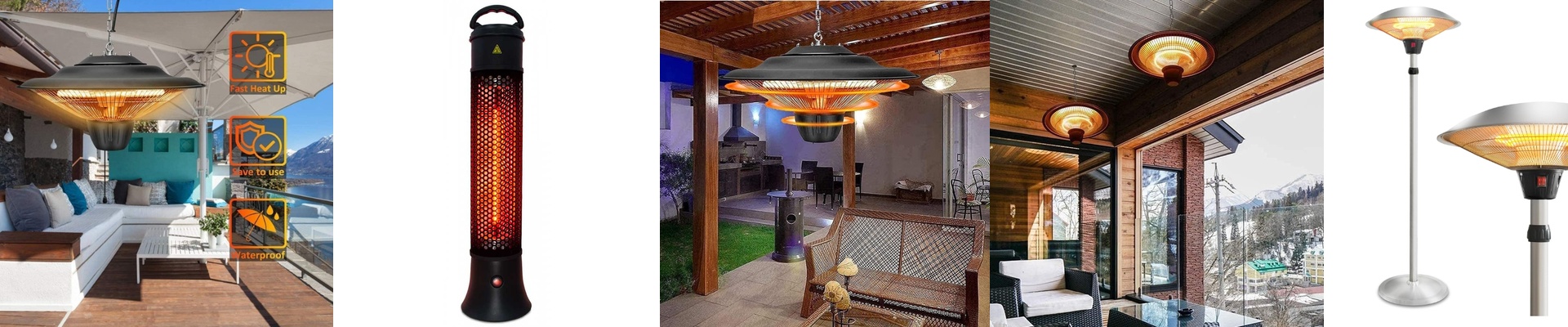
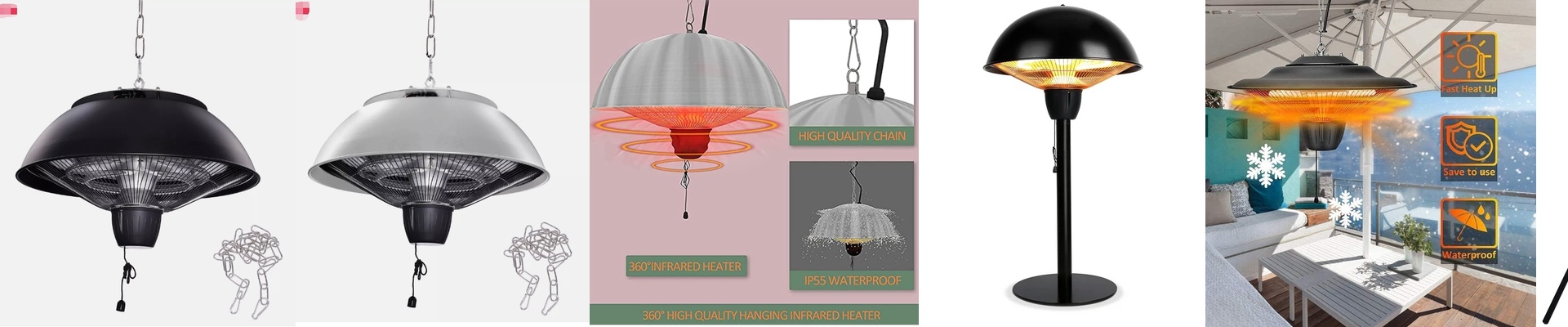
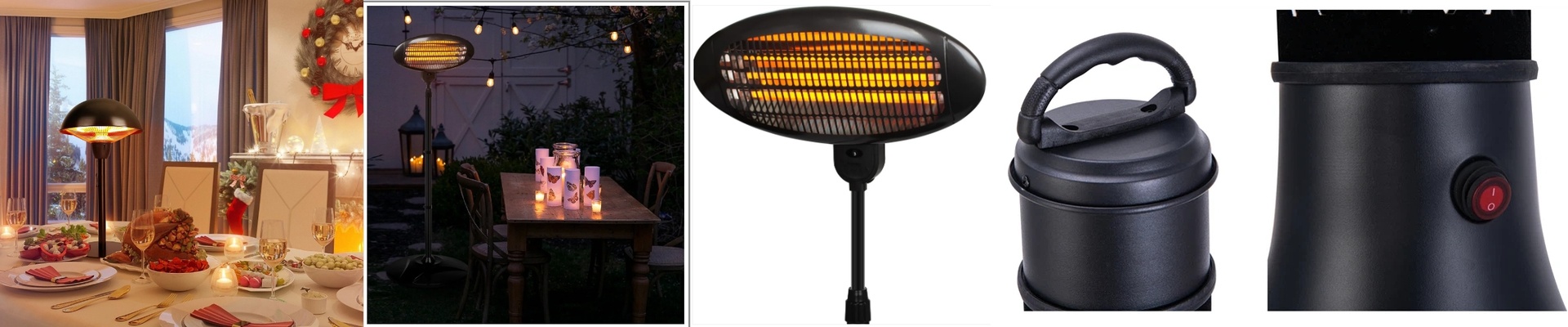
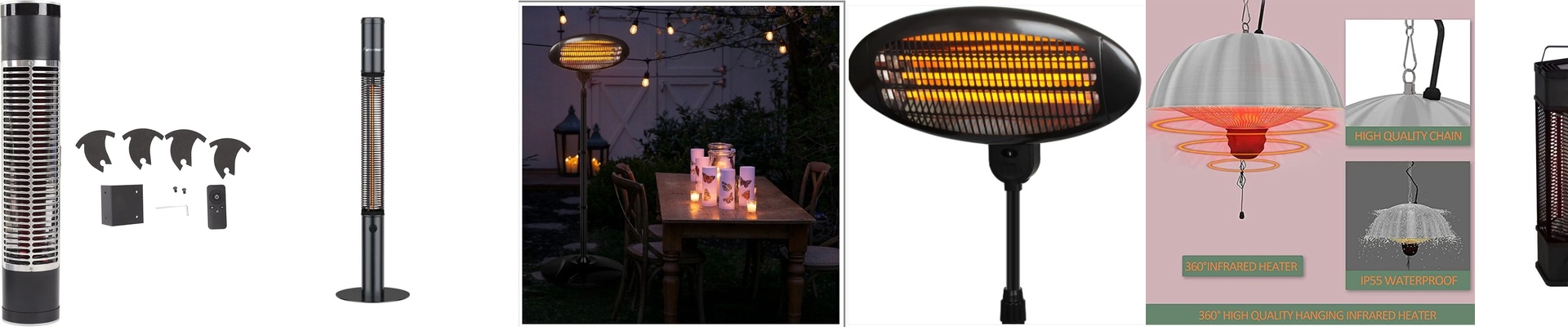
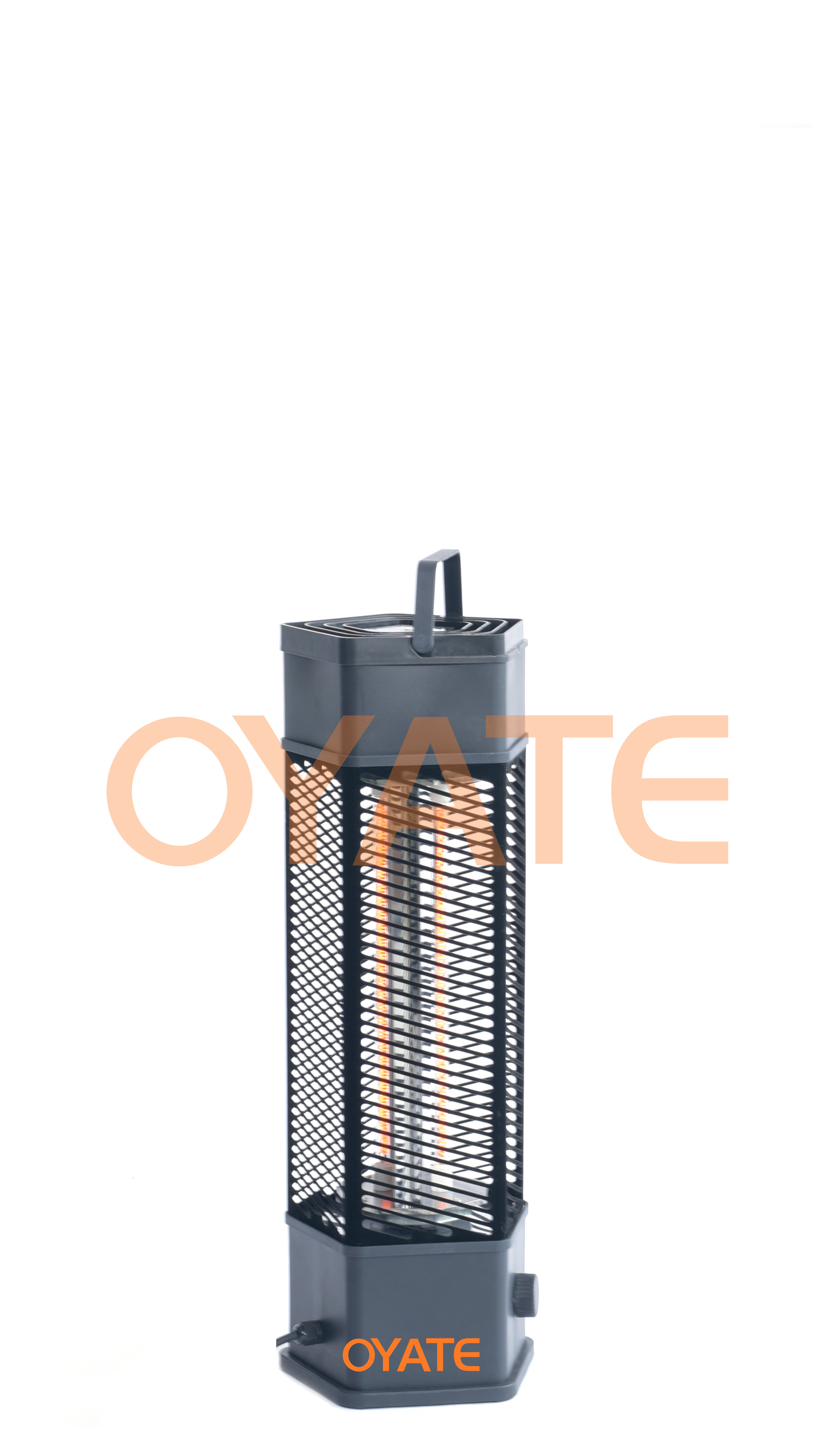
If you’re putting infrared heaters in a spot that’s semi-outdoors or just plain humid, you’ve got one major enemy: moisture. I’ve seen way too many units fry themselves way before their time. It usually happens because water vapor sneaks into the housing or condensation just sits there on the heating element. It’s a mess. That’s exactly why we built anti-fog and splash-proof designs right into our latest line. Why moisture is such a pain Think about a quartz tube. Now imagine tiny water droplets sitting on it. When that element cranks up to full heat, those drops evaporate instantly. It creates these little “stress points” on the glass. Eventually? The tube cracks. To stop that, we changed the shape of the housing. It basically nudges the airflow around so condensation can’t just settle on the emitter. Then there’s the wiring. If water hits the electrical terminals, you’re looking at short circuits or nasty corrosion. We added splash-proof gaskets to seal those junctions. It keeps the electronics safe and ensures that if anything does wear out, it’s a part you can actually replace without tossing the whole unit. The tricky part: Heat vs. Water Here’s the thing: you can’t just seal a heater in a plastic box. If it’s completely airtight, the heat gets trapped inside and cooks the wiring and capacitors. So, we had to find a middle ground. We used vented paths that let the heat breathe, but added baffles to block direct splashes from getting in. But you have to do your part during installation. If you mount the unit too tight against a wall or ceiling, you’re basically choking it. The internal temperature spikes, and all that fancy splash-proofing won’t matter because the unit is overheating. Give it some room to breathe. What this means for you These heaters are basically a drop-in replacement for the standard stuff you’d use on a patio or in an industrial wash-down area. Since the elements aren’t taking a constant beating from the damp air, they last much longer. You won’t be climbing a ladder to replace parts nearly as often. Just keep those vents clear and you’re good to go.