

Why we’re ditching old bathroom lamp warmers for IP65 Infrared
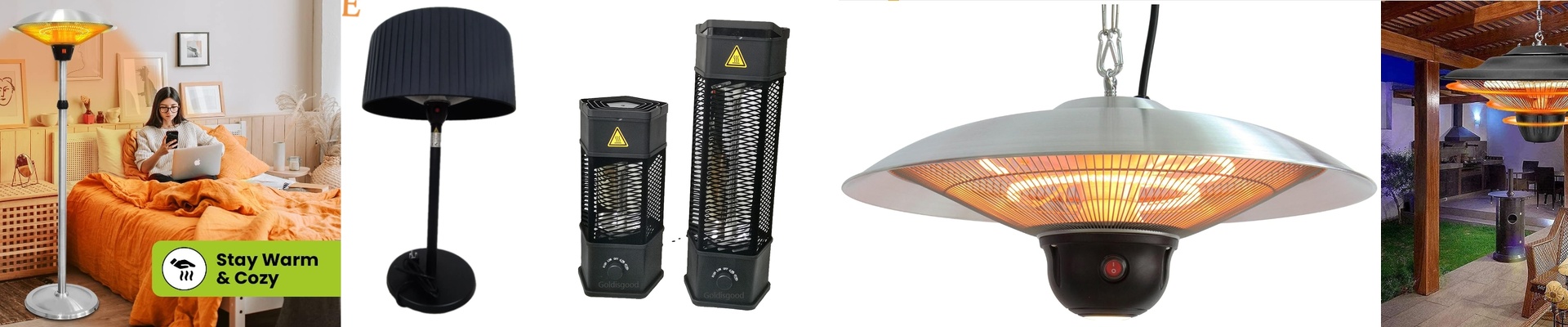
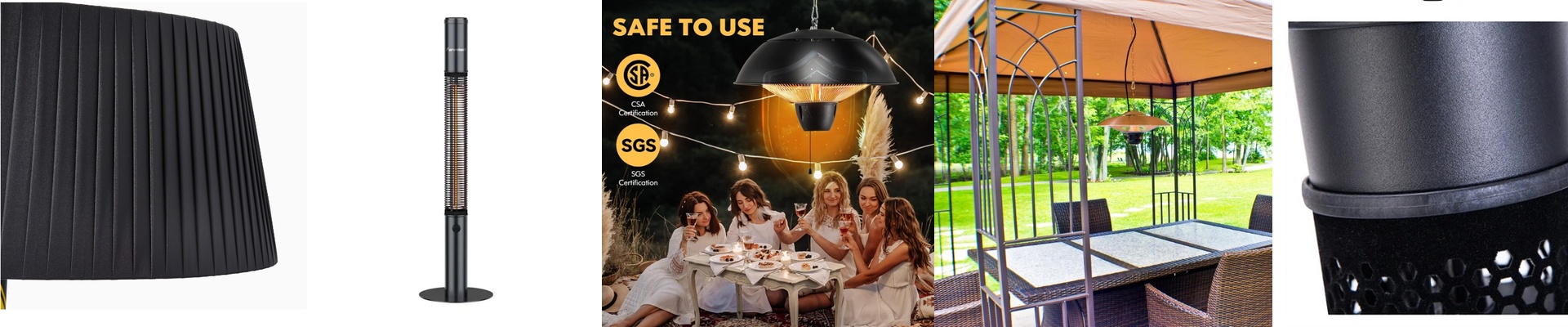
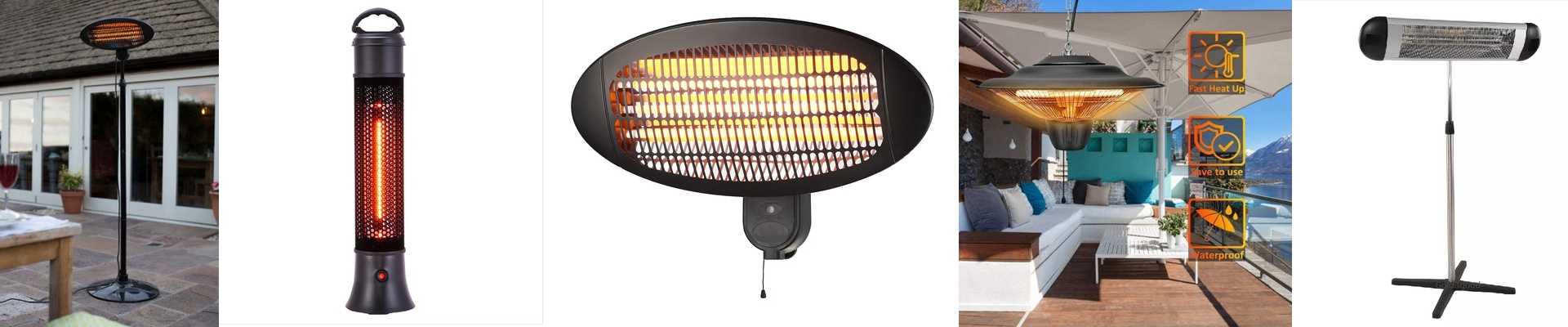
Let’s be honest: those old-school bathroom heat lamps are kind of a joke. They usually just use a basic bulb and a prayer to keep the moisture out. But bathrooms are brutal on electronics. Between the steam and the splashes, moisture finds its way into the sockets, things start to corrode, and eventually, the whole thing just quits on you. That’s why we’ve shifted over to IP65-rated infrared heaters. They’re actually built for the reality of a steamy bathroom. The deal with IP65 When you see “IP65,” don’t get bogged down in the technical manual. Just know it means the unit is tight. It keeps dust out and can handle water jets from any direction. In your bathroom, it’s not just about the occasional splash. It’s about that microscopic mist that hangs in the air. We seal the housing and the cables tight so that condensation doesn’t sneak in, short out the electronics, or trip your breaker right when you’re halfway through a shower. Heat you can actually feel Here is the big difference: traditional heaters try to warm up the air. But air is terrible at holding onto heat. You know that feeling where you’re warm under the lamp, but the second you step away, you’re shivering again? Yeah, that. Infrared is different. It doesn’t bother with the air; it sends warmth directly to your skin and the walls. We use short-wave emitters, which means they hit their top temperature almost instantly. No more waiting ten minutes for the room to “warm up.” You flip the switch, and you feel it. Immediately. A few things to keep in mind Now, there is a catch. Putting a high-heat element inside a waterproof box is a bit of a balancing act. The heating element is supposed to get hot, but the wiring and control boards definitely aren’t. To stop things from frying, we use oversized heat sinks and clever venting that lets the heat escape without letting the water in. Just a heads-up: if you’re putting these in a tiny, cramped stall with zero airflow, the safety cut-off might kick in to keep the housing from warping. Just make sure you’ve got a decent ceiling height and some air moving around before you wire them in.