


Cutting Carbon in the Fab: A Smarter Way to Heat
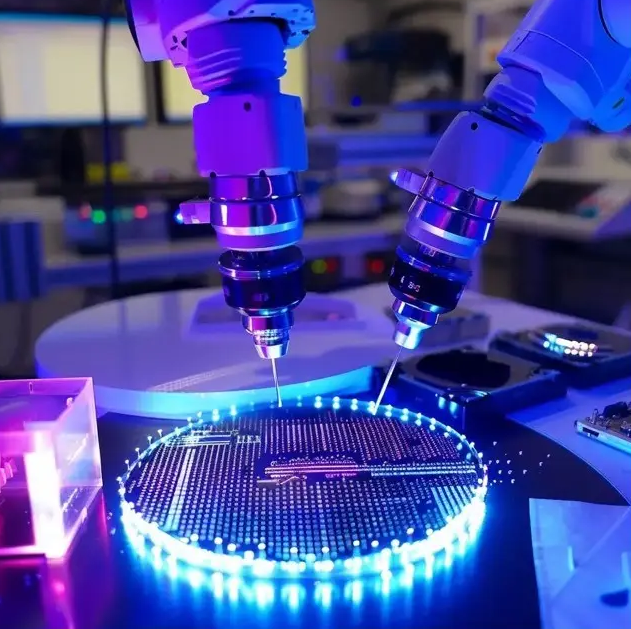
If you’re trying to hit carbon neutrality in a semiconductor fab, you have to talk about heat. It’s usually where the most energy just… vanishes. Old-school heating methods are leaky. They waste a ton of power heating the air around the wafer or just taking forever to get up to temp. We decided to fix that with gold-coated shortwave infrared (SWIR) lamps. Why the gold? Here’s the thing: standard quartz lamps throw out energy in all directions and across a broad spectrum. It’s messy. By adding a thin layer of gold to the quartz, we basically force the energy to behave. The gold reflects the longer wavelengths and pushes everything into the shortwave spectrum. It’s a lot more intense. The heat hits the wafer surface faster and harder. Plus, since the gold stops heat from leaking out the back of the lamp, almost everything goes exactly where it needs to go. You end up using less total power, but your throughput stays exactly the same. The catch (because there’s always one) We design these to fit into those tiny, cramped footprints of wafer tools, but you can’t just “plug and play.” You’ve got to make sure your power supplies match the wattage and voltage of the tube perfectly. If you don’t, you’re just asking for a burnout. And then there’s the heat. These lamps getinsanelyhot at the terminals. If your cooling system isn’t up to the task, you’ll fry your lamp holders or the nearby circuitry. It’s a trade-off. You get lightning-fast heating and a smaller carbon footprint, but you have to be disciplined about managing that concentrated heat. The big picture When you shave a few seconds off the “time-to-temperature” for a single wafer, it doesn’t seem like much. But in a high-volume fab? That adds up to tons of CO2 saved every year. It really comes down to a simple shift in thinking. Stop trying to heat the air. Just heat the silicon. Your energy bill—and the planet—will thank you.