
Making High-Ceiling Infrared Heaters Actually Smart
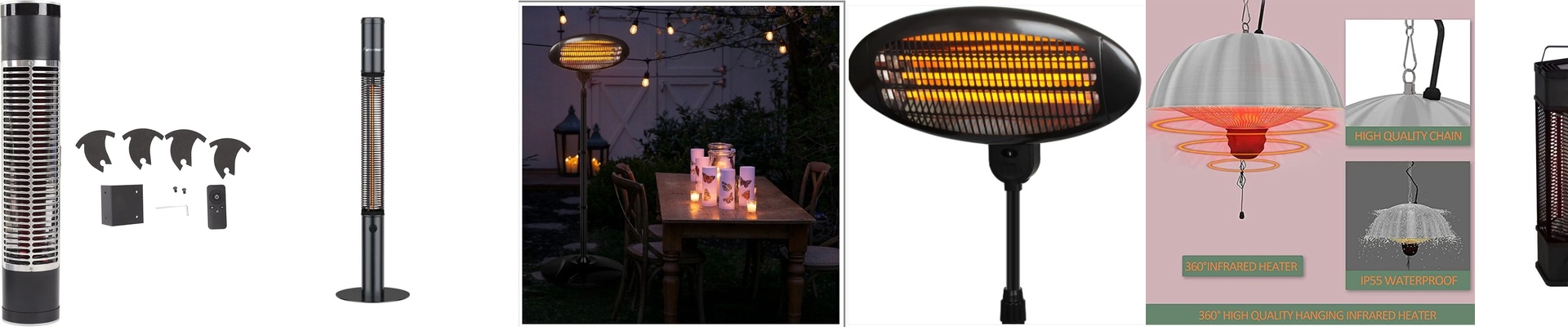
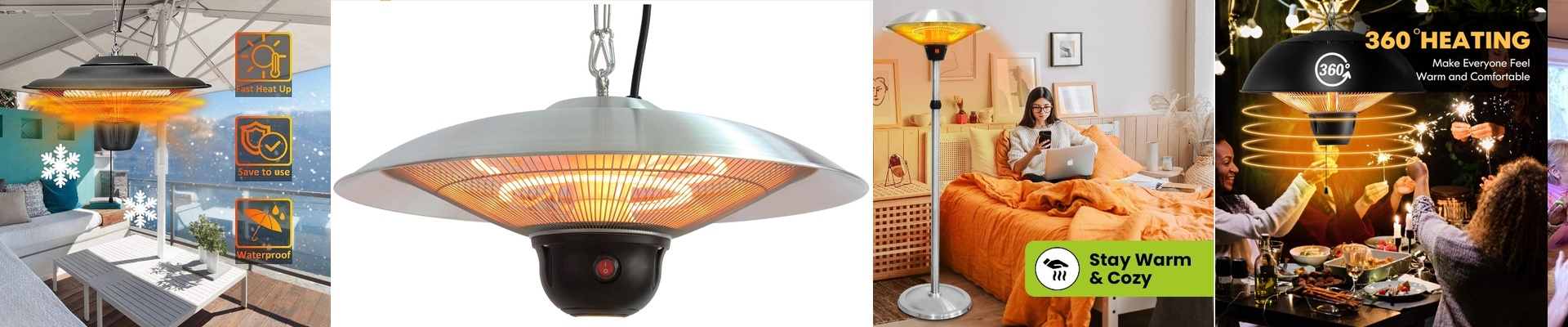
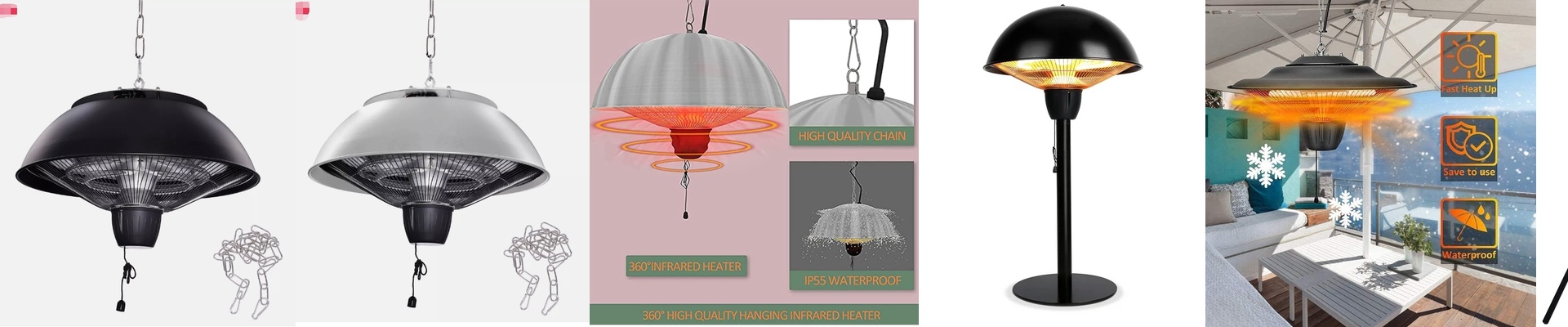
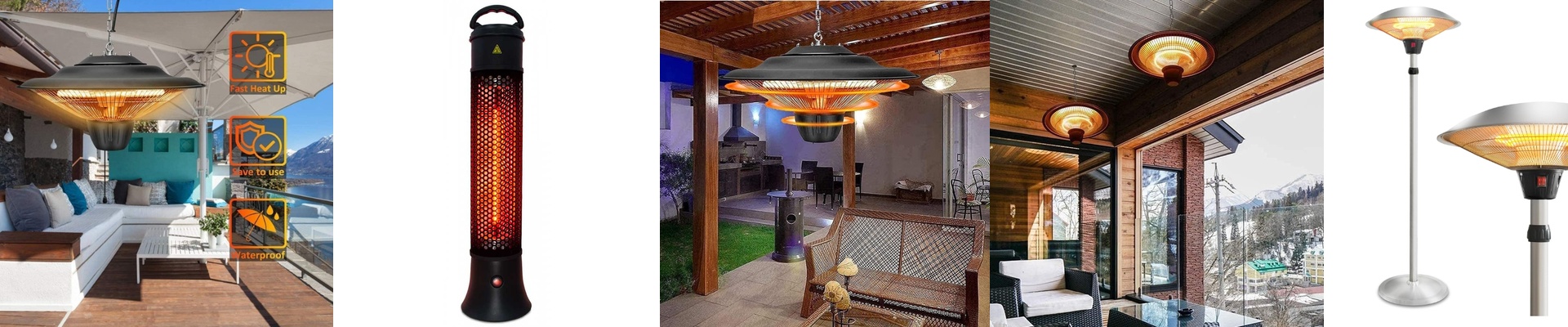
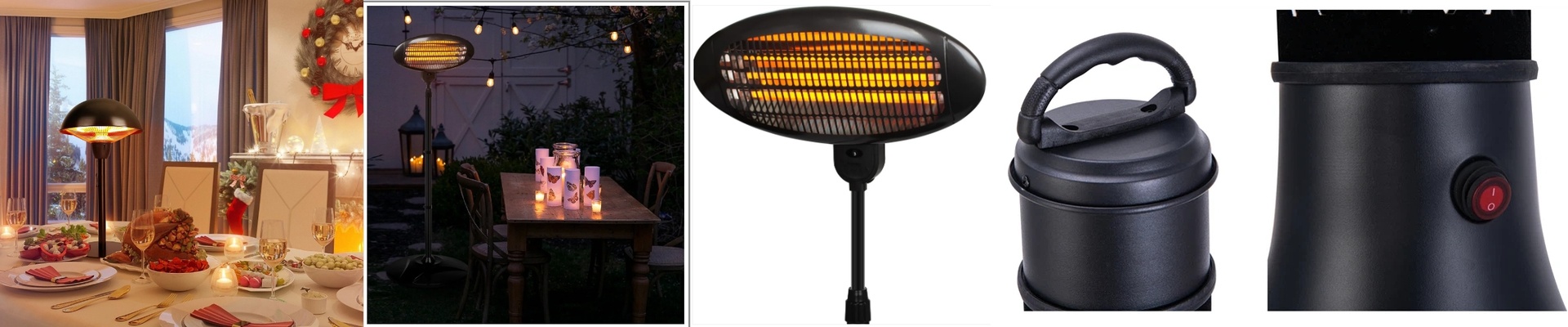
If you’ve got high ceilings, you know the struggle. You crank up the heat, but all that warmth just floats up to the ceiling where it does absolutely nothing for you. That’s why infrared is a lifesaver. Instead of trying to heat the entire volume of air in a room, these heaters beam warmth directly onto you and your furniture. It’s like standing in a patch of sunlight on a cold day. But manually flipping a switch every time you get a chill? That’s a pain. That’s where the smart home stuff comes in.
How the Magic Happens
We usually hook these heaters up to smart hubs using Zigbee or Matter relays. The best part is the speed. Because these units use quartz or carbon fiber, they don’t need to “warm up.” You hit a button on your phone or tell your voice assistant to turn them on, andboom—you feel the heat instantly. No waiting twenty minutes for a furnace to kick in or for floor pipes to warm up. It’s just there.
A Few Things to Watch Out For
Here is where people usually mess up: the hardware. You can’t just plug a heavy-duty 3kW heater into a cheap smart plug you bought at a drugstore. You’ll fry the thing. You need heavy-duty contactors or high-amp relays that can actually handle the load without melting. Then there’s the sensor problem. If you put your temperature sensor up on the ceiling near the heater, the system will think the room is a sauna and shut off immediately. You’ll be shivering on the couch while the sensor is happy.**Put your sensors where you actually sit.**That way, the heater keeps running until you’re actually comfortable.
The Real-World Experience
Once it’s set up, it’s great. You can schedule it so the living room feels cozy the second you walk in from work. But keep in mind: infrared is all about “line-of-sight.” If you put a massive wardrobe or a tall plant right under the heater, it’ll block the beam. You might find one spot in the room is roasting while another is freezing. Just take a look at how you actually move through your room and place the heaters accordingly. It takes a little bit of planning, but once it’s dialed in, you’ll never go back to old-school heating.