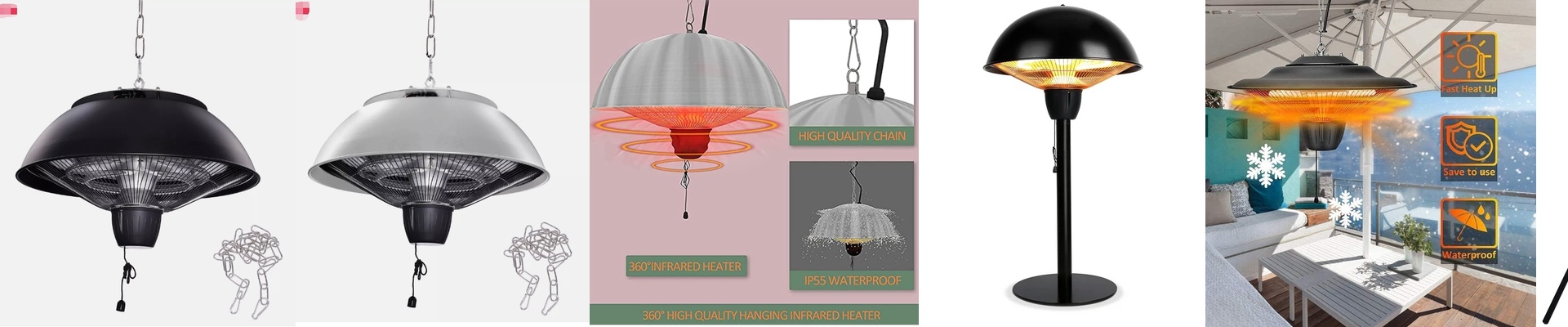

Stop the Mold: How Infrared Heaters Actually Dry Your bathroom
Most people think bathroom heaters are just for keeping your toes warm on a chilly morning. But we look at them differently. We design our infrared systems to go after the real enemy: the dampness clinging to your walls and tiles. That’s where mold loves to hide and grow.
How the drying actually works
Standard heaters just warm up the air. Infrared is different. It uses short-wave radiation that doesn’t mess around with the air—it goes straight for the surface. Think of it like the sun hitting your skin on a summer day. These waves penetrate those damp spots on your tiles and turn that energy into heat. By keeping the wall temperature above the dew point, the water simply can’t settle. **No condensation. No standing water. No feast for mold spores.**It basically kills the mold cycle before it even gets a chance to start.
The nitty-gritty details
To make this work, we use high-wattage quartz elements. They pack a punch, which is exactly what you need to flash-dry a surface quickly. But here’s the catch: you can’t cut corners with your wiring. If you use cables that are too thin for the wattage, you’ll get voltage drops. Worse, you might burn out the heating element way sooner than you should.**Check your wires.**It’s not worth the headache. We house everything in moisture-resistant casings because, well, it’s a bathroom. Inside, the reflector is the secret sauce. A wide-angle one spreads the heat across the walls, while a narrow beam focuses everything right on the floor.
Setting it up (and keeping it running)
You don’t have to flip a switch manually every time. You can hook these up to a timer or a humidity sensor. We love setting them to kick in once the room hits 70% humidity. It keeps things bone-dry without burning through your electric bill. One last pro tip:don’t touch the glass. Quartz tubes are incredibly sensitive to the oils on your skin. If you leave a fingerprint on the glass during installation, it creates a “hot spot” that can actually crack the tube. It sounds picky, but it’s true. Give the glass a quick wipe with some alcohol before you flip the power on, and you’re good to go.