


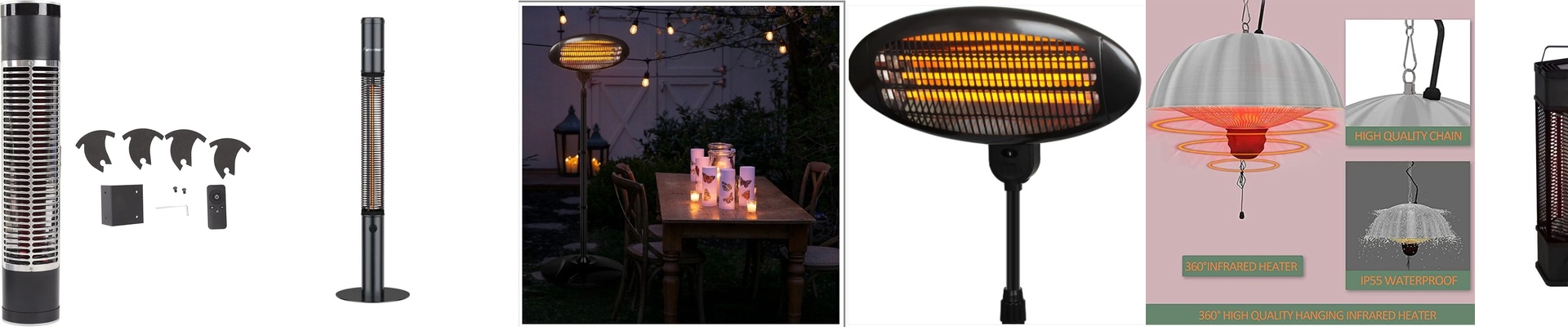
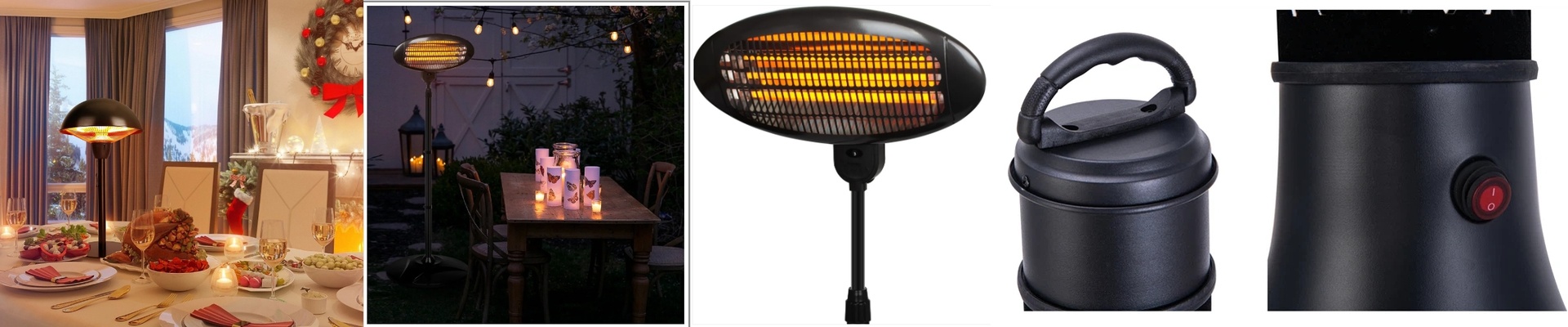
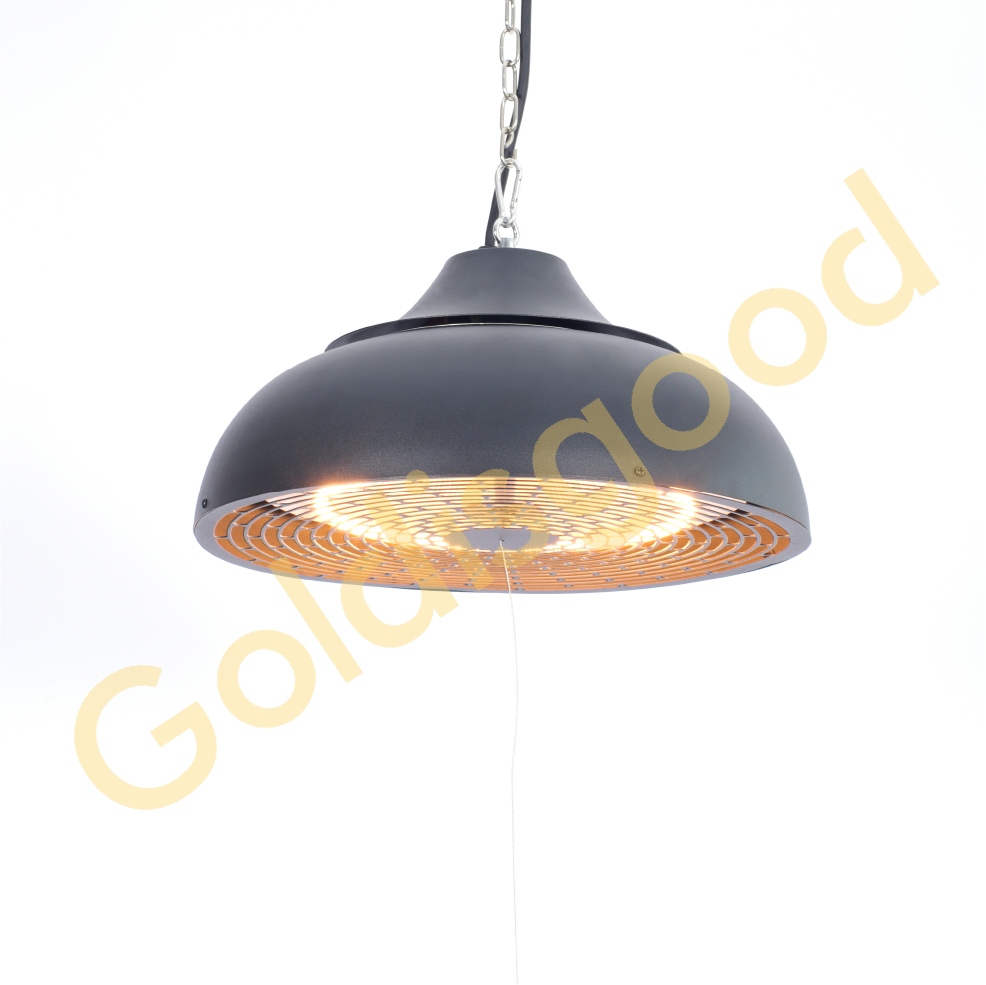
Cold corners and drafty rooms shrink a living room faster than you’d think. You flip on a conventional heater, wait for the air to turn, and still end up shivering a few feet away. Infrared space heaters cut through that by putting warmth where you actually are—not just into the empty space around you.
What matters, technically
Infrared heaters radiate heat the same way the sun does: direct energy that travels in straight lines and warms people and objects on contact. Inside, a carbon fiber element or quartz tube heats quickly and emits short- or medium-wave infrared. You feel the result immediately—a beam of warmth, not air that has to be circulated and reheated. Most models run 1,200–1,500 watts on a standard 120V outlet, and they typically include a thermostat and tip-over protection. That’s steady, no-drama operation you can count on.
Why it fits the living room
Comfort in a living room is personal and local. Infrared heating is directional by nature, so you aim it toward the sofa, the reading chair, or the TV spot and feel the heat right away. No waiting for the whole volume of air to warm up, and no noisy fan pushing dust around. Because the heat targets the spots you actually use, you’re not wasting energy on empty corners. If you want cozy comfort without overheating the whole house, this is a straightforward way to get warmth that starts with the person, not the room.
The practical stuff
Infrared warmth performs best in open, line-of-sight setups. Keep the heater unobstructed—furniture, curtains, even big plants can cast a shadow and cut the effect. For safety, set it on a hard, level surface and use the built-in tip-over protection. Remember, it warms people and surfaces directly, so the surrounding air can feel a bit cooler. If you prefer a more ambient feel, pair it with a gentle background heat source.