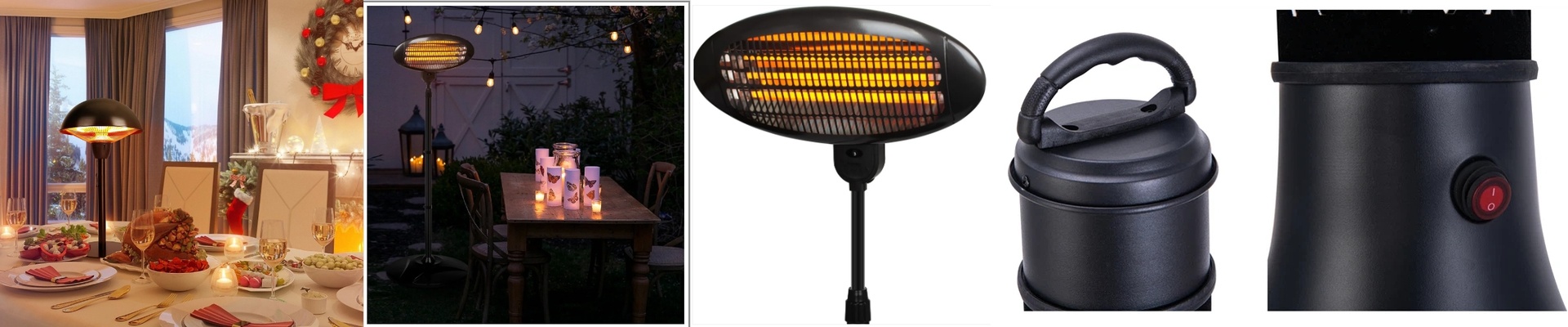
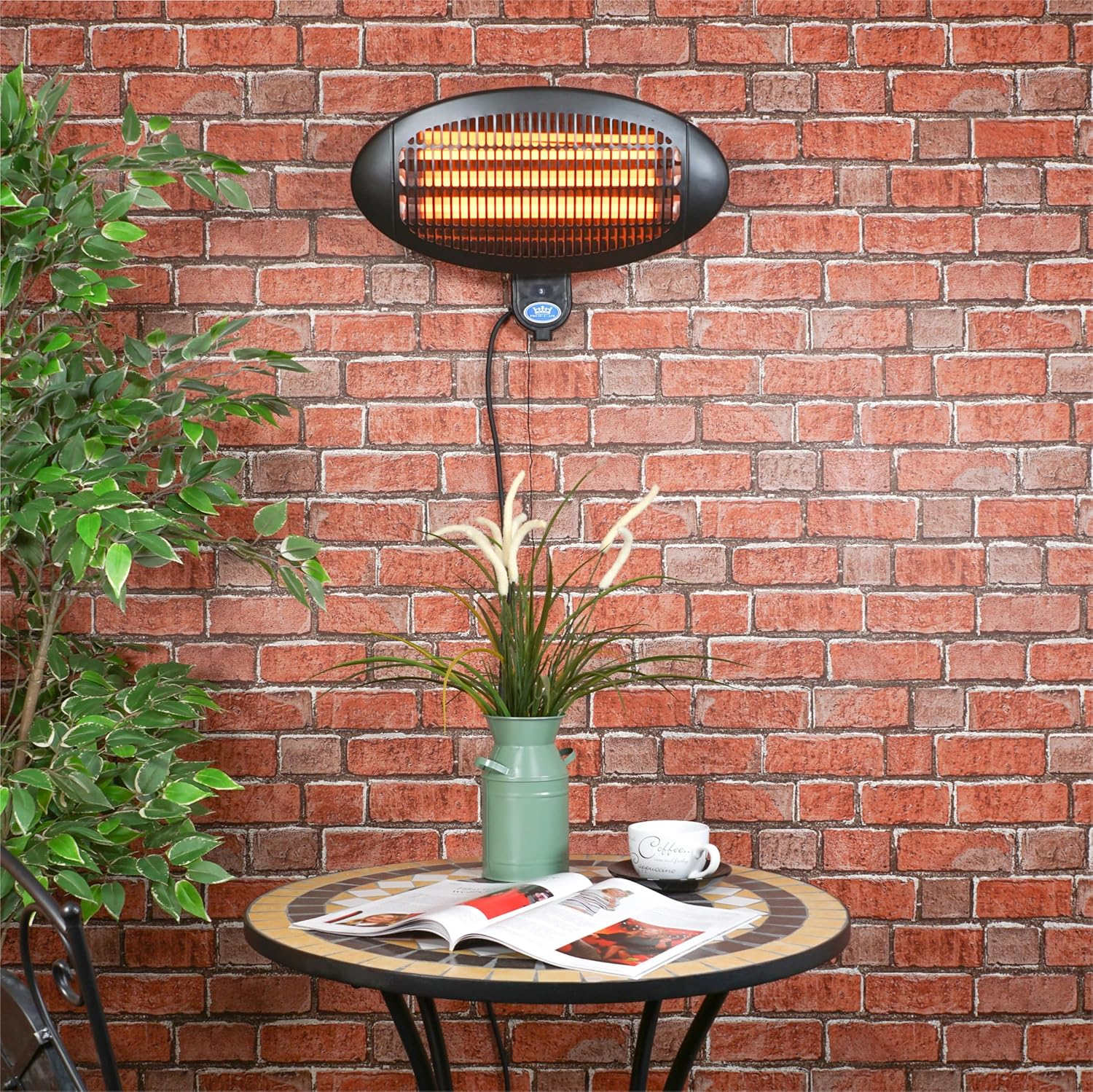
On the road, warmth needs to be fast, clean, and dependable. A travel electric infrared heater that fogs over or takes in a stray splash doesn’t just kill comfort—it eats into service life, forcing early replacements and messy downtime. So we built our top-selling model to handle the two problems that show up every day: moisture and impact. What matters under the hood We run a carbon fiber infrared element for quick, even radiant heat, and a sealed quartz tube that can take thermal shock without cracking. The front glass is double-coated—anti-fog plus a hydrophobic finish—so condensation beads and runs off instead of pooling. The heater is IP-rated to keep out low-pressure splashes from any direction, so the internal electronics stay dry even when you set it near a tent flap or a wet counter. Heat output is tuned for small spaces—enough to take the bite out of a 10–15 m² room without tripping a standard outlet. Why it holds up in the real world This is exactly what you need when you travel: warmth that hits instantly, without drying the air out. The anti-fog and splash-resistant design keeps the heating element clean and dry, which means fewer power interruptions, more consistent output, and a longer lifespan. In practice, that means fewer replacements, more reliable evenings, and a steady, comfortable glow that helps relax muscles and keeps hands and feet from going numb. A couple of practical notes Because infrared warms people and objects directly, the surrounding air can still feel cool. For best results, aim the unit at your seating area rather than trying to heat the whole space. And remember, the IP rating is for splash resistance, not submersion—keep it off the floor in heavy rain and avoid direct spray from hoses or showers.