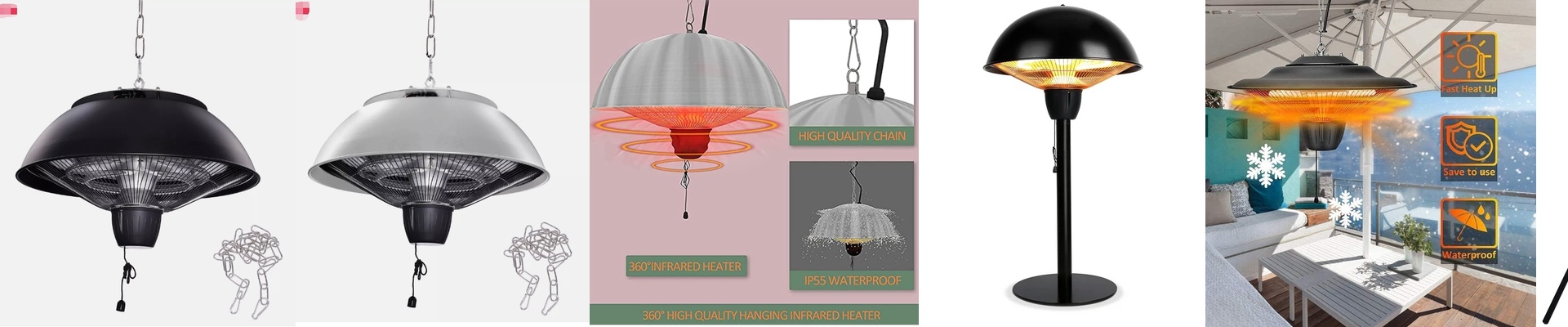
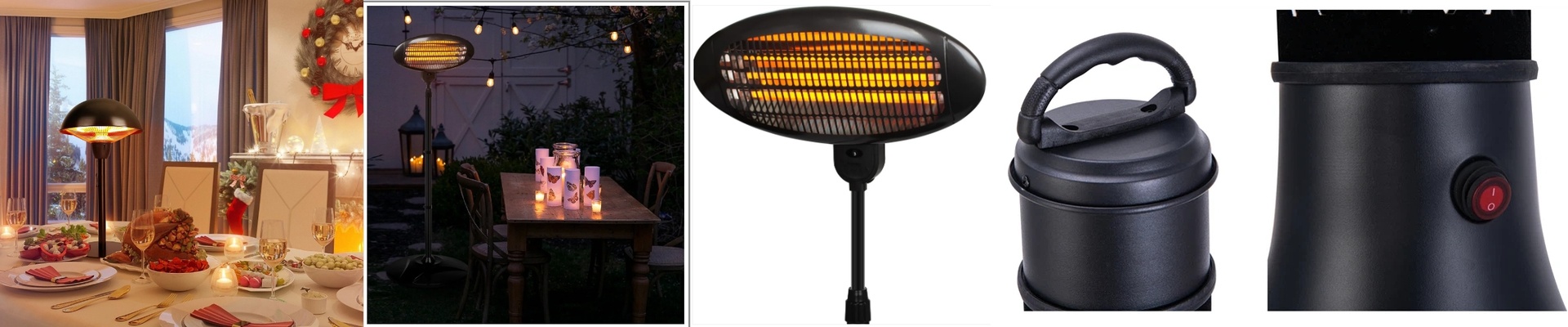
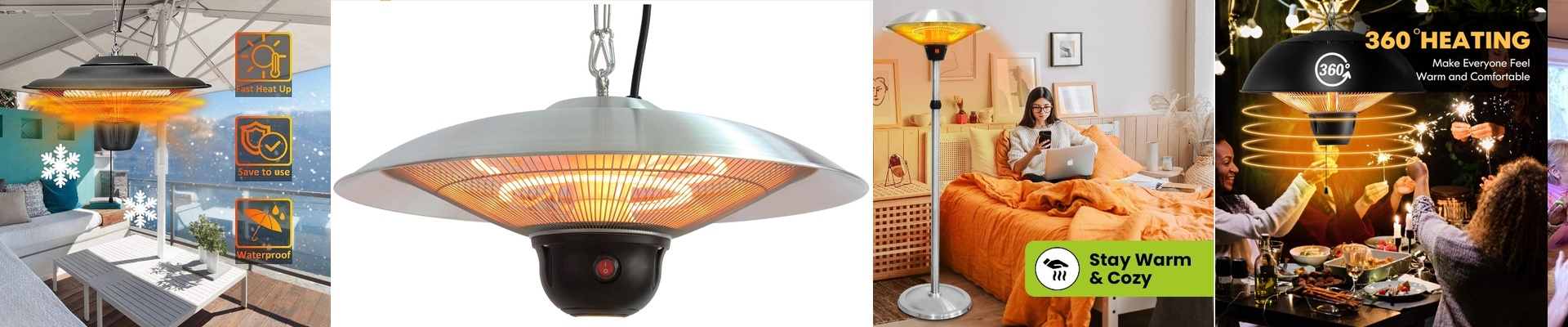
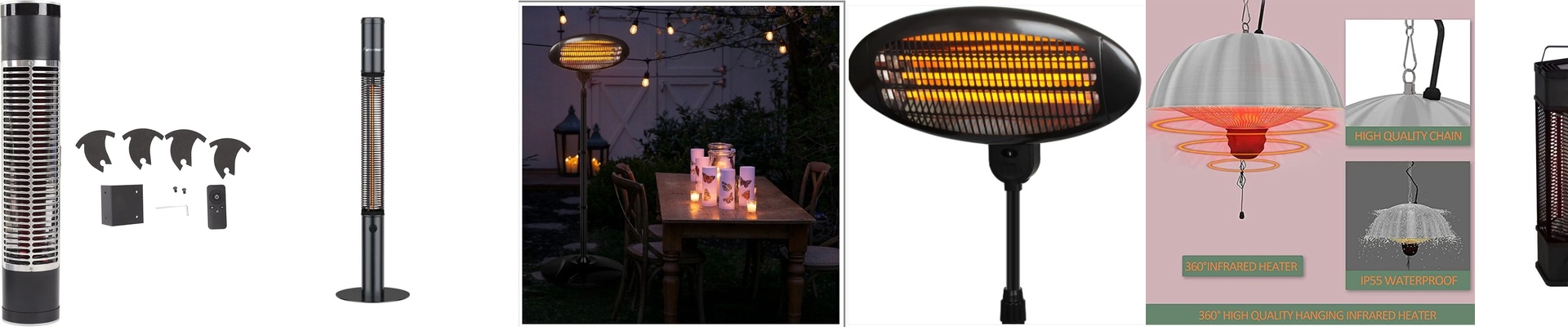
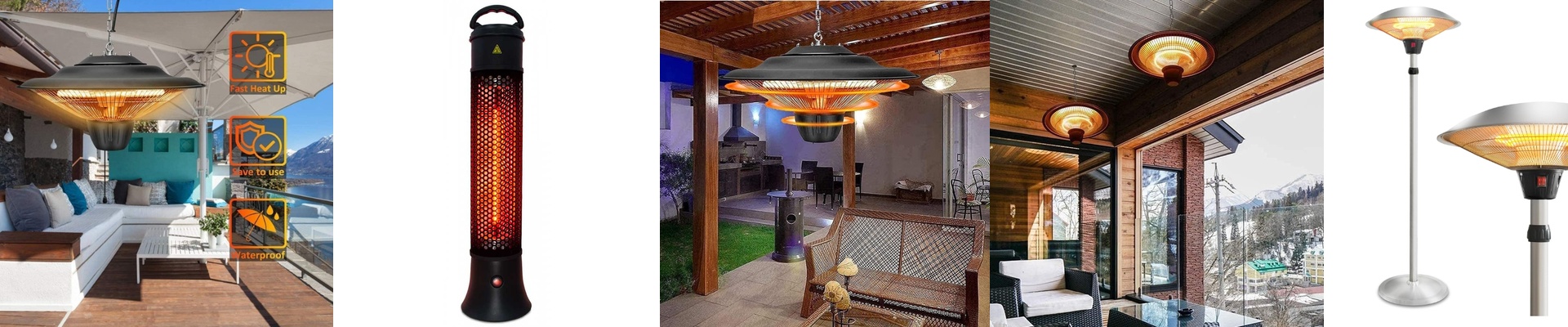
A nursery needs heat that feels like a steady companion, not a rollercoaster that swings from too hot to too cold. When the room is quiet and the baby is down, you want warmth that shows up fast, spreads evenly, and doesn’t turn the air into a desert.
What’s actually under the hood
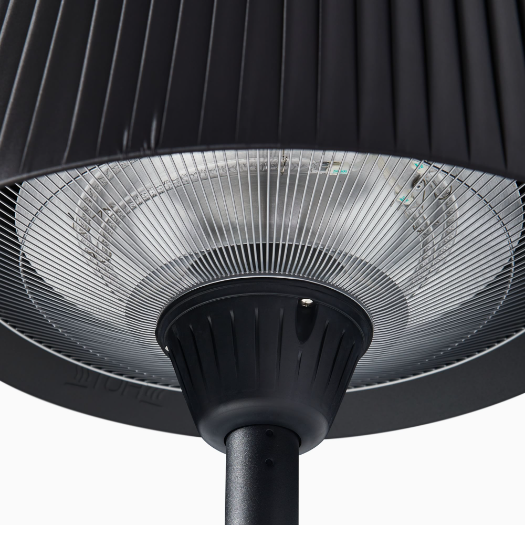
We built this baby room heater around an infrared system that turns 99.8% of electricity into usable radiant heat. The heart of it is a carbon fiber element inside a sealed quartz tube—chosen for stable resistance and quick response. The payoff is direct warmth, like sunlight: it heats people and surfaces first, not the air. A low-glare halogen lamp keeps things comfortable visually, and an adjustable thermostat holds the output steady. No fan means it’s quiet. It also comes with tip-over protection and a protective outer grill that makes sense for tight, baby-focused spaces.
Why this approach fits a nursery
In a baby room, comfort is more than a number on the thermometer. Radiant warmth helps keep a stable microclimate, so the crib, changing table, and floor feel consistent. Because the heat is directional, you feel it almost immediately—no need to crank the room temperature just to stay cozy during nighttime routines. With 99.8% conversion, nearly every watt is going into warmth, which keeps energy use down compared with methods that heat air that then slips away through drafts. No drafts. No noise. Just even, gentle heat.
Practical setup and placement
Position the heater so the radiant path covers the main activity zone—typically 3 to 5 feet from the crib, and well away from bedding and curtains. It runs on standard household voltage and needs a grounded outlet; a dedicated circuit prevents tripped breakers during longer sessions. The quartz tube gets hot to the touch, so keep it out of reach and treat the tip-over switch as a backup, not a babysitter. For best results, pair the heater with a room thermometer and set the thermostat to maintain comfort, not chase temperature peaks.