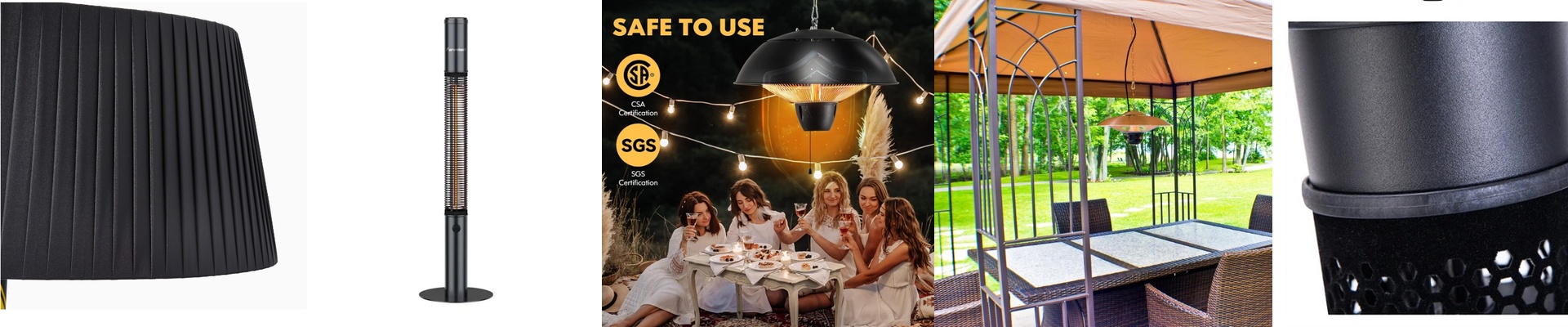
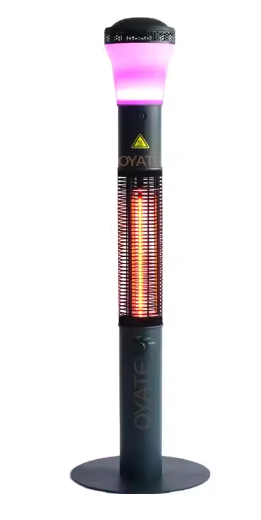
Stop Losing Money Every Time the Temperature Drops
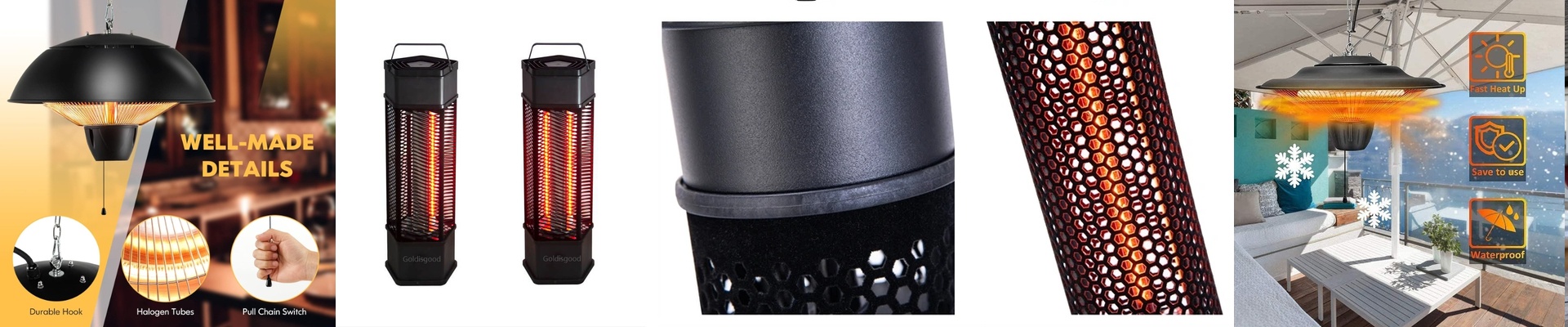
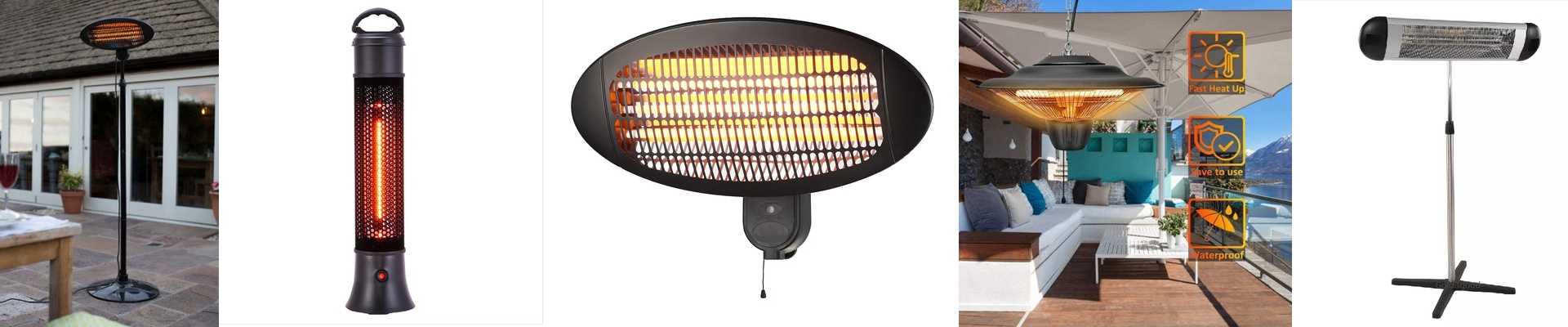
Let’s be honest: running an outdoor patio in the winter usually feels like a losing battle. You’ve got the tables, you’ve got the vibe, but the moment a cold breeze hits, your guests start shivering and looking for the exit. Most people try those standard convection heaters, but they’re pretty useless outside. The wind just blows the warm air away before it even reaches the customer. It’s a waste of electricity. That’s why we stick with shortwave infrared. Instead of trying to heat the air—which is impossible outdoors—these heaters beam warmth directly onto the people and the furniture. It feels like sitting in the sun on a spring day, even if it’s freezing a few feet away.
The Nitty-Gritty on Gear
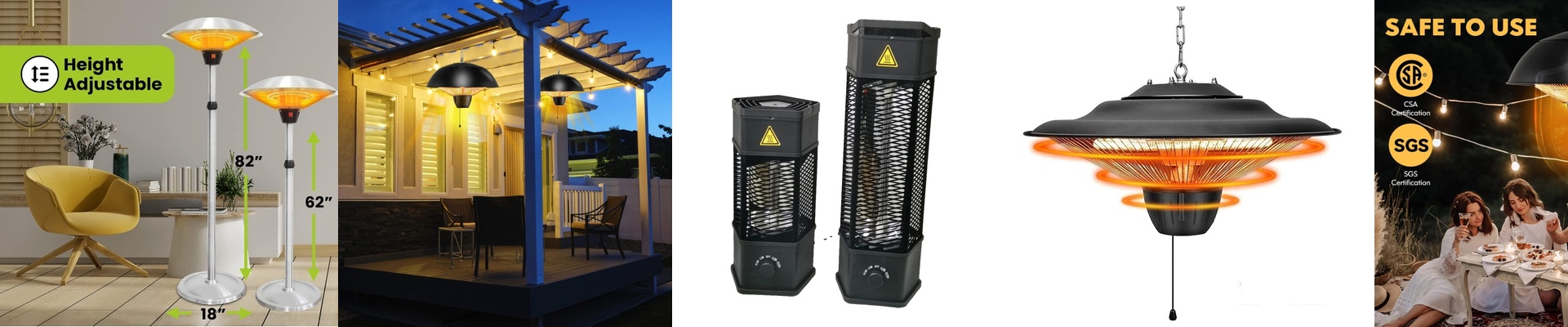
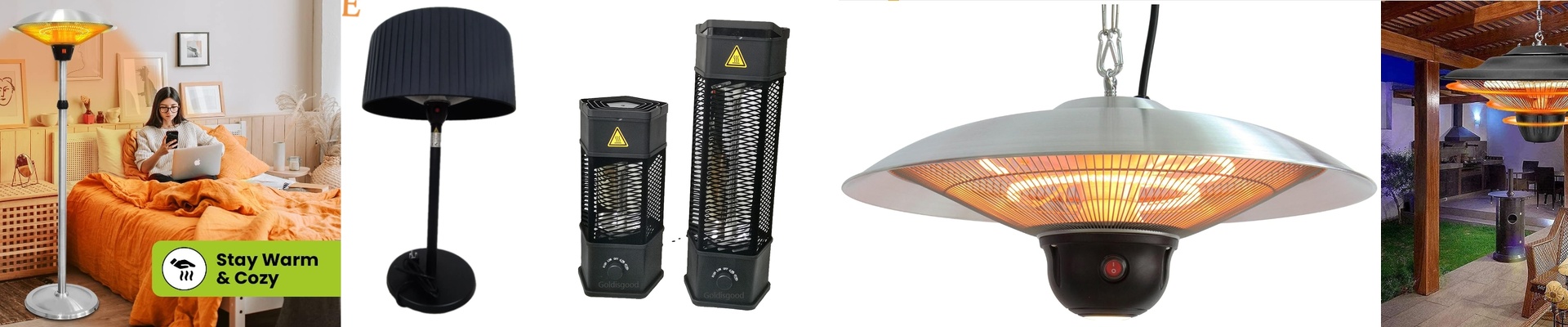
Since these live outside, they have to be tough. We use units with high IP ratings (IP65 and up), which is just a fancy way of saying they won’t short out when it rains or snows. Most of our commercial setups run on 220V-240V. You need that extra juice to get the heat you actually want without blowing a fuse. But here is the tricky part:placement is everything. A 2000W lamp creates a pretty tight cone of heat. If you hang it too high, your guests won’t feel a thing. Too low? You’ll practically cook them. It’s all about finding that sweet spot based on your ceiling height.
Built to Last
We use quartz glass tubes with a special coating that bounces the heat downward. It makes the warmth cover more ground. The housings are usually powder-coated aluminum or stainless steel, so you don’t have to worry about humidity eating through the metal. Outdoor gear takes a beating. Everything from the wiring to the connectors is heavy-duty to keep moisture from creeping in where it doesn’t belong.
The Bottom Line for Your Business
When you get this right, your outdoor area stays open all year. It’s a simple math problem: guests stay longer, they order another round of drinks, and your turnover goes up. Just a heads-up on the power side of things. These arrays pull a lot of current. Please, for the love of everything,**don’t just plug five of these into a household extension cord.**You’ll trip the breaker in seconds. You need dedicated circuits to handle the load. It’s a bit more work upfront, but it means you can keep the heat cranking and the tables full all winter long.