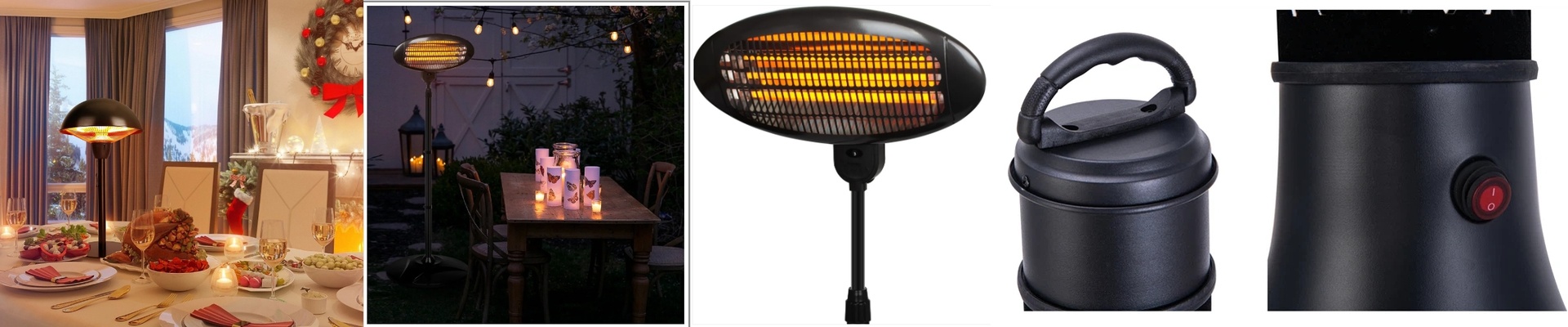

The Real Deal Behind Smart Outdoor Heaters
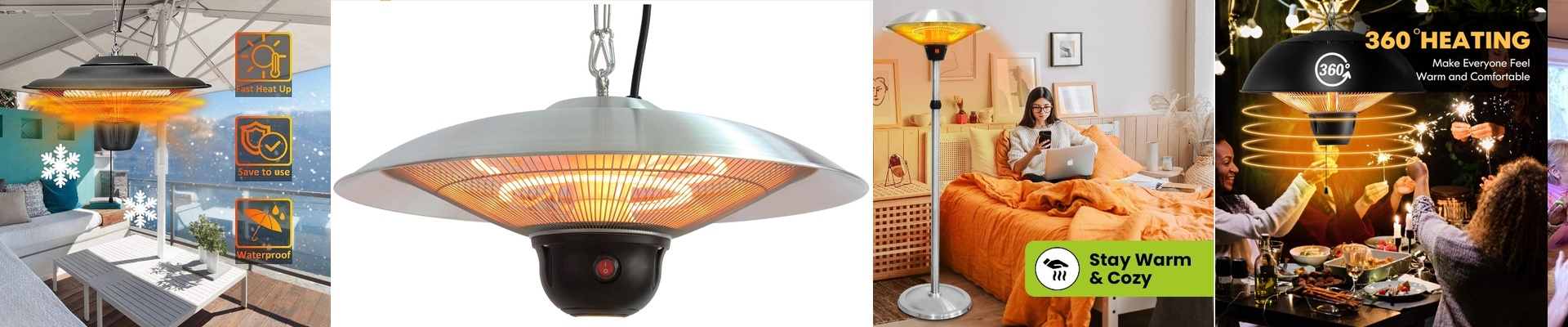
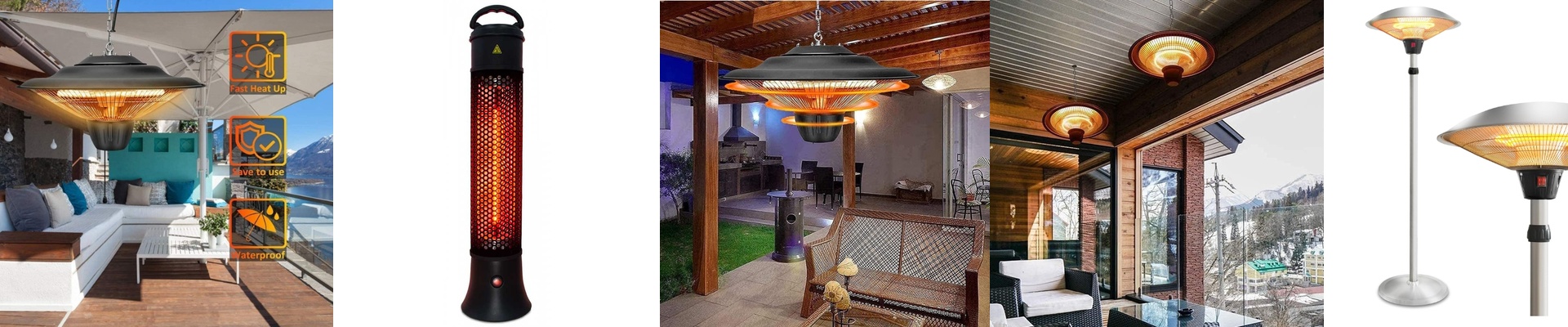
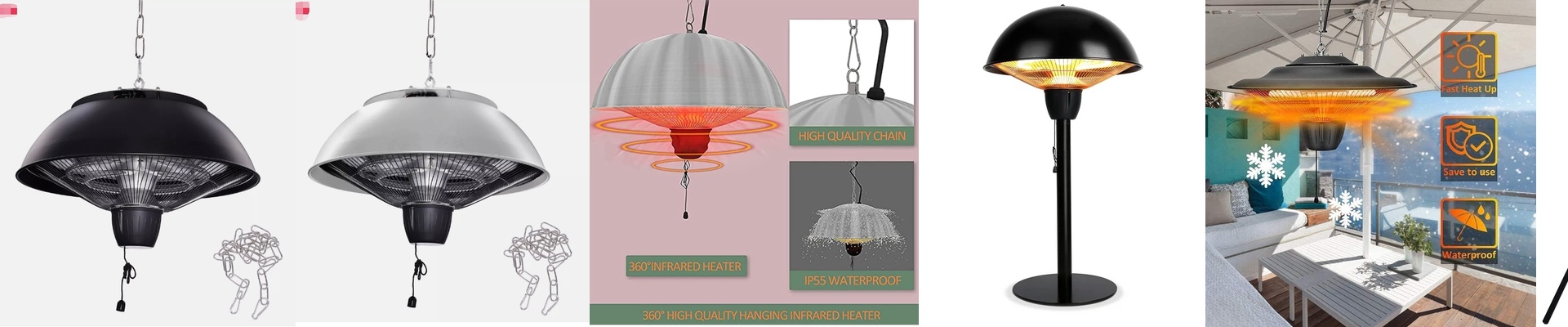
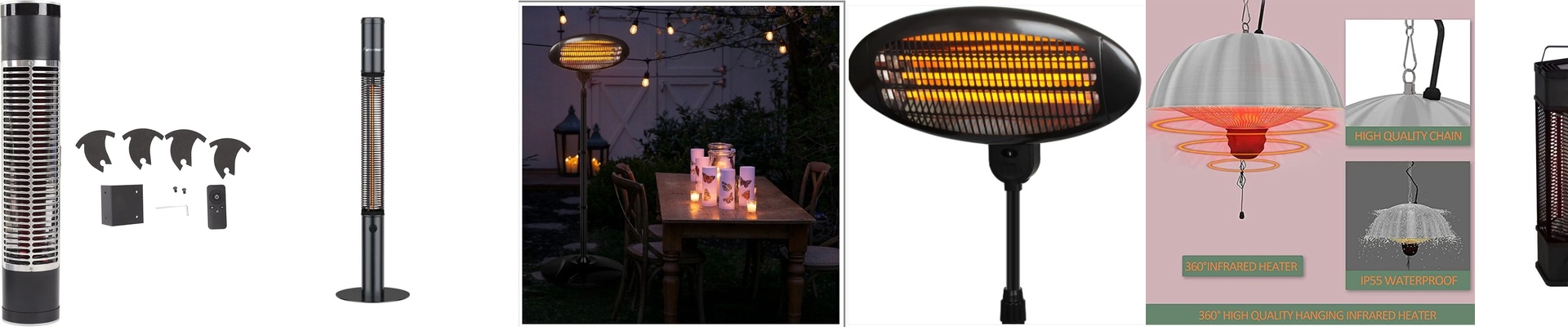
We built this outdoor infrared heater for the places that matter—bars, patios, tight spots where the weather can turn on a dime. Its whole job? Focus warmth right where you need it, without wasting energy heating the empty air around it. And the smart home connection? Not a flashy add-on. It’s straight-up practical. You get quick, remote control, so comfort stays consistent without anyone having to run outside every five minutes.
How It Actually Works
It uses an infrared quartz tube. That means it fires up fast and sends heat in a tight, directed pattern. So even when the wind kicks up, you still feel that steady warmth. And because it’s meant for outdoors, it’s built to take the weather. Fully waterproof. Rain, splashes, whatever—this thing keeps performing without cutting corners on safety.
Power, Voltage, and the Physical Details
We set it up to run on standard industrial voltages, so you can wire it in without overhauling your electrical setup. The power is tuned to pack a lot of heat into a small footprint. That’s great for open-air spots, but it also means the area right around the heater gets hot. So plan your mounting height and clearance carefully. You want warmth, not worries. The tube length and shape were chosen to fit common outdoor heater housings. That keeps the overall size small, while still spreading a wide, even wave of heat across the seating area.
Materials, Coating, and Connections
The quartz tube was picked for one reason: it responds fast and can handle serious heat. Inside, the filament is protected by a tough coating that resists hot-spot wear. That matters when you’re switching the heater on and off all day. For installation, we went with connector types that are proven for high current and high temperature. They’re meant for quick, solid connections—less time wiring, and fewer headaches from loose joints that can cause flickering performance or early failure.
Why This Matters on a Patio
On a bar or restaurant patio, the heater has to deliver comfort quickly and run without babysitting. With smart integration, staff can turn the heat on with a tap—only when it’s needed. That saves energy and keeps the unit from running when nobody’s out there. Here’s the trade-off: it runs hot at the source. So mounting and zoning have to be thought through with airflow and clearance in mind. But when you get the specs right, you end up with a solution that turns an outdoor space into a usable spot—fast, and with minimal downtime.