
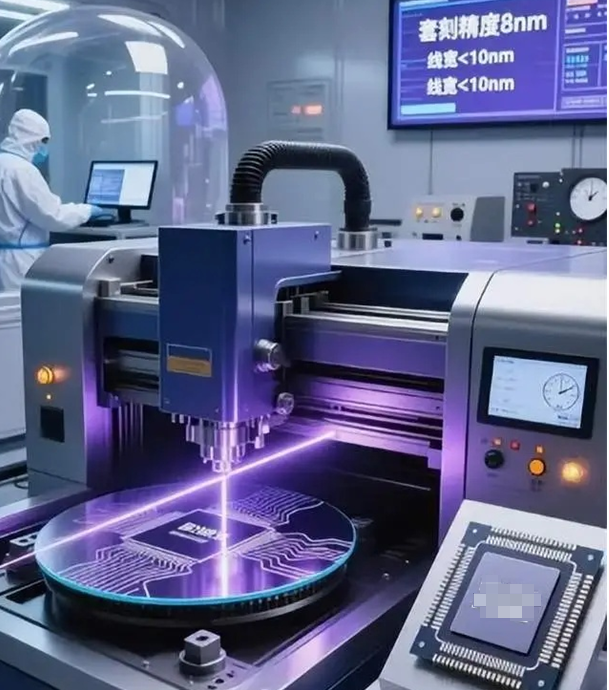
Stop Guessing Your Heat: Moving to Digital IR in the Fab
If you’re planning a modern fab, you know that just “getting it hot” isn’t enough. You need to know exactly what’s happening inside those heaters. The problem is that old-school analog controllers are basically blind spots. They hold your production back. To really get a handle on things, you need digital infrared controllers that actually talk to your PLC or SCADA system in real-time.
No More “Set It and Forget It”
We built these controllers because we were tired of the guessing game. Most people just set a temperature and hope for the best. But when you digitize the loop, you stop wondering if the substrate is hitting the right mark. You can see the actual wattage and watch the temperature curves move in real-time. Here is why that matters:traceability. If a part fails QC, you don’t have to shrug your shoulders. You just pull the thermal log and see exactly where the heat spiked or dipped. It takes the mystery out of a bad batch.
Why IR Just Works Better
IR is a different beast than a convection oven. Instead of heating up all the air around the part, IR goes straight for the material. It’s fast. Really fast. To keep that power under control, we use high-frequency switching. This keeps the temperature tight so you don’t end up with burnt edges or warped thin-films. It’s the difference between a sledgehammer and a scalpel.
The Catch (Because There’s Always One)
I’ll be honest with you—this isn’t a “plug it in and walk away” situation. Going data-driven means you have to think about your wiring. You’re going to have more cables for Ethernet or Modbus TCP/IP running through your shop. And if your electrical panels are already crammed to the brim, you’ll probably need to make some room or expand your footprint. It’s a bit of a headache upfront, but it’s worth it.
What This Actually Does for Your Day
Once you wire these into your central hub, you can stop the manual logging. No more clipboards. No more guessing. You’ll start catching “thermal drift” before it ruins an entire run, which means way less scrap in the bin. It basically turns your heating zone from a black box into something you can actually measure and control.