

Stop Wasting Time Waiting for Your Clean Room Benches to Heat Up
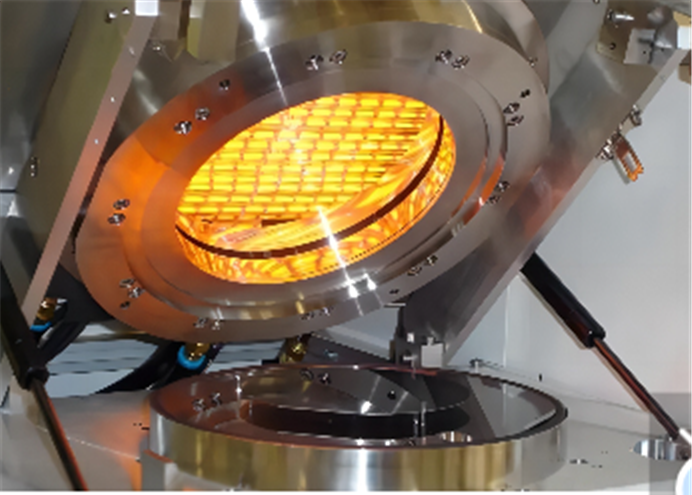
If you’ve spent any time in semiconductor processing, you know the frustration of the “waiting game.” You’ve got your parts ready, but you’re stuck waiting for a forced-air chamber to finally hit the right temperature. It’s a slog. Air just isn’t great at moving heat. When you rely on blowing hot air around, you’re creating a massive bottleneck in your line. It’s a time cost that adds up fast, and honestly, it’s exhausting. Here is a better way: Infrared. Think of IR lamps like the sun. They don’t bother heating up the air in the room; they send energy straight to the surface of your workpiece. No convection currents, no waiting for the “air” to get warm. When you ditch the blower for an IR bench lamp, your ramp-up time goes from minutes to seconds. It’s a night-and-day difference in how your day flows. Keeping it clean Of course, in a clean room, you can’t just throw any heater on the bench. You can’t have particles shedding everywhere. That’s why we use high-purity quartz envelopes—they stop outgassing and keep things pristine. Plus, these lamps are tiny compared to those clunky ducts and fans. You actually get your bench space back. One heads-up on the setup: watch your power. A high-wattage IR array pulls a lot of juice, especially that first big surge when it kicks on. Just make sure your circuit can handle the load so you aren’t tripping breakers mid-shift. The trick to getting it right Now, IR is fast, but it’s a bit “picky.” Unlike hot air, which wraps around a part, IR only heats what it can actually see. If you just wing it, you’ll end up with hot spots or uneven curing. The secret is in the geometry. You have to be intentional about where the lamps sit and how far they are from the target. And a pro tip? Use a reflective backing. It bounces the wasted energy back onto the part, which makes the whole thing more efficient and—more importantly—stops your entire clean room from turning into a sauna.