
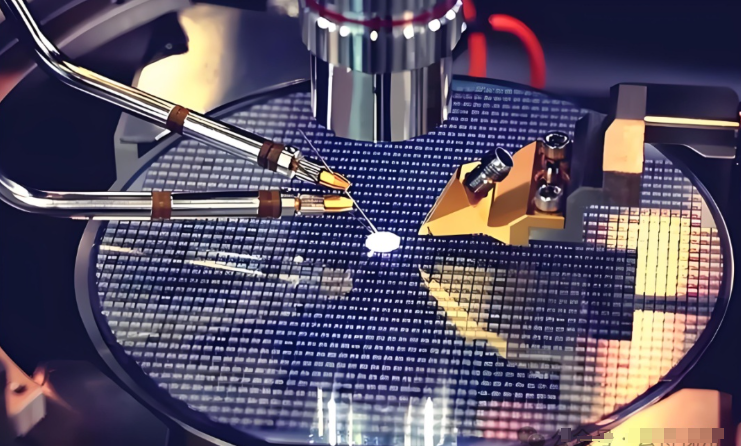
Keeping Your Class 100 Cleanroom Actually Clean
Let’s be honest: heating things up in a Class 100 cleanroom is a nightmare. One tiny flake of oxide or a bit of outgassing, and your whole batch is trash. In a semiconductor fab or a medical assembly line, a single micron of dust isn’t just a nuisance—it’s a disaster. That’s why we stopped using standard heating elements and switched to high-purity synthetic quartz for our IR curing lamps. The problem with cheap glass Most lamps use low-grade quartz. The issue is that these contain impurities that can’t handle the heat. When they get stressed, they start “spitting”—basically shedding microscopic particles right into your airflow. We do things differently. We use fused silica that’s been processed to be chemically inert. It doesn’t flake. It doesn’t shed. You just get a clean source of thermal radiation that leaves your substrate exactly how you found it. Getting the heat where it belongs We’ve tweaked the filament geometry and the gas fill to make sure the IR energy hits exactly where you need it. The goal is to blast your workpiece with heat without turning your entire cleanroom into a sauna. One quick heads-up: these things pack a punch. Because the wattage is so high, you need to make sure your chassis can handle the heat dissipation. If your cooling is lagging, you might see your mounting brackets start to warp. It’s worth double-checking your specs before you power up. Real-world use These are built to be drop-in replacements for your curing ovens or wafer lines. We use vacuum-tight seals, so you don’t have to worry about internal gases leaking out into your sterile zone. When you wire them in, you’ll notice the stability. No flickering. No random particles. Just a consistent, reliable heat cycle that lets you repeat your process a thousand times without worrying about the air quality.