
Keeping You Safe: The Reality of Bathroom Infrared Heaters
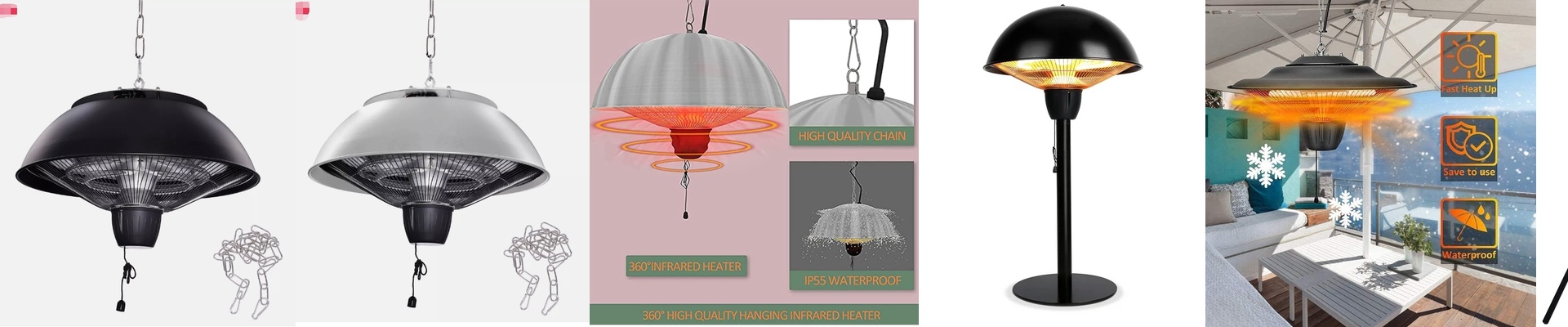
Let’s be honest: bathrooms are a nightmare for electronics. You’ve got steam everywhere, random splashes of water, and high humidity. It’s basically a recipe for a short circuit. When we’re building infrared heaters for these spaces, we don’t just “try” to make them safe. We make it the only thing that matters. Stopping the leaks The biggest worry is current leakage. To stop that from happening, we start with the materials. We use high-grade quartz glass for the heating element since it doesn’t conduct electricity. But the real trouble usually starts at the connections. That’s where water vapor likes to sneak in. If a bit of moisture hits the live pins, you’ve got a serious problem. To block those entry points, we use things like epoxy potting or silicone gaskets. It’s all about creating a wall that water simply can’t get through. Grounding and the “Warmth” Factor We also make sure every unit has a dedicated path to the ground. We bond the chassis to the earth so that if something does go wrong with the insulation, your RCD (the safety switch in your breaker box) trips instantly. And here’s a little secret: we usually go with short-wave infrared emitters for bathrooms. Why? Because they heat you up directly, not the damp air around you. It means the heater doesn’t have to run nearly as long, which keeps the internal parts from getting stressed out by too much heat. The balancing act Here is the tricky part. We have a constant tug-of-war between sealing the unit and letting it breathe. If we seal it completely to keep the water out, the internal heat gets trapped. If it gets too hot inside, the wire insulation can actually melt. It’s a delicate balance. Our fix? We use vented housings. They let the air move so the unit doesn’t overheat, but we design them with “drip-loops.” It’s a clever bit of geometry that forces water to drip off the side rather than flowing straight into the electrical guts of the machine.