Getting a Real Grip on Heat in Your Fab
If you’re moving toward a smart fab, the first thing that has to go is manual sampling. It’s slow, it’s tedious, and frankly, it’s outdated. You need a live stream of data, not a snapshot from ten minutes ago. That’s where IR sensors come in. They let us map out heat signatures without actually touching the wafer. No contact means no contamination and no mechanical stress. It’s just cleaner.
How the Data Actually Works
In wafer fab, if your temperature isn’t uniform, you’re in trouble. We use high-res IR sensors to watch how heat spreads across the surface while it’s happening. The sensors pick up infrared radiation and turn it into a digital map. Because they plug right into your PLC or SCADA system, you aren’t staring at a delayed readout. You get a live heat map.Right now. In real time.
Making it Work in the Real World
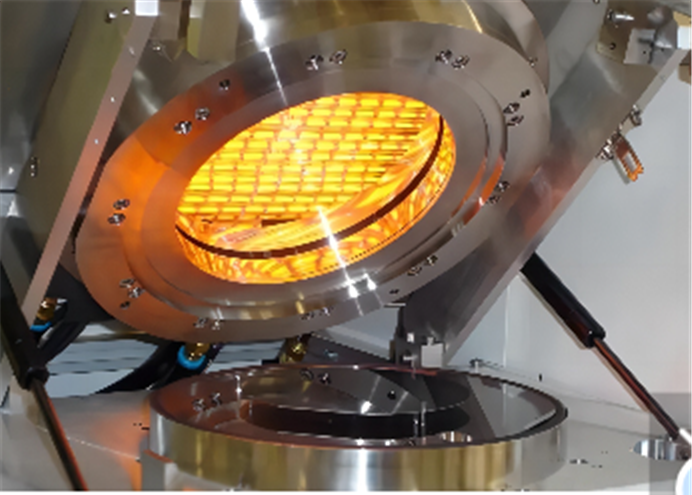
When you wire these into a digital line, the guesswork disappears. We build these systems to survive the brutal conditions inside CVD or annealing furnaces—we’re talking high vacuum and screaming temperatures. The best part? You can tweak your heating elements on the fly. If one zone starts running too hot, the system just throttles it back. Simple. This is how you actually stop wasting wafers and bring those scrap rates down.
The Catch (Because there’s always one)
Look, these aren’t “set it and forget it” tools. IR sensing lives and dies by emissivity. If you switch your material from silicon to gallium nitride, you have to recalibrate. If you don’t, your numbers will be wrong. Period. And keep an eye on the sensor window. Process byproduct loves to build up on the lens, which blocks the signal and makes your temperatures look lower than they actually are.**Stay on top of your maintenance.**If you let it slide, your data will drift, and you’re back to guessing.