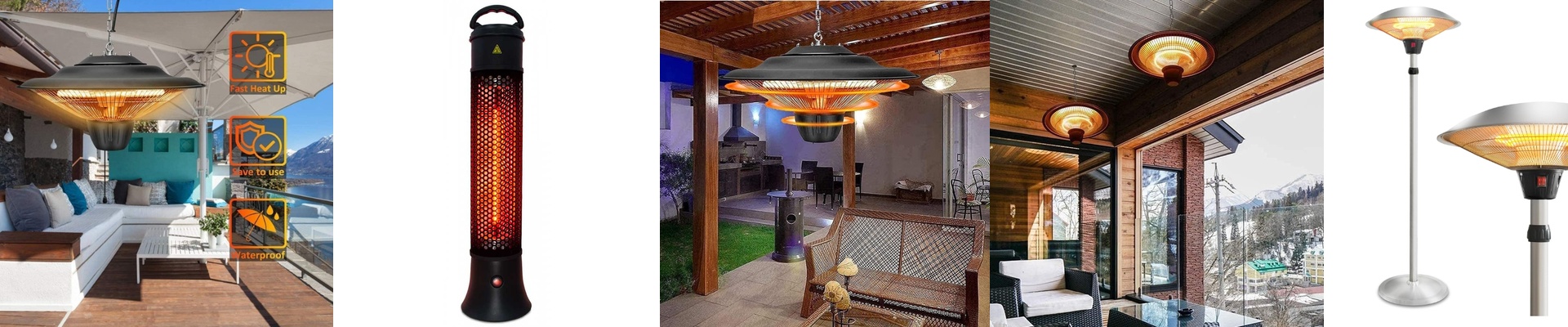
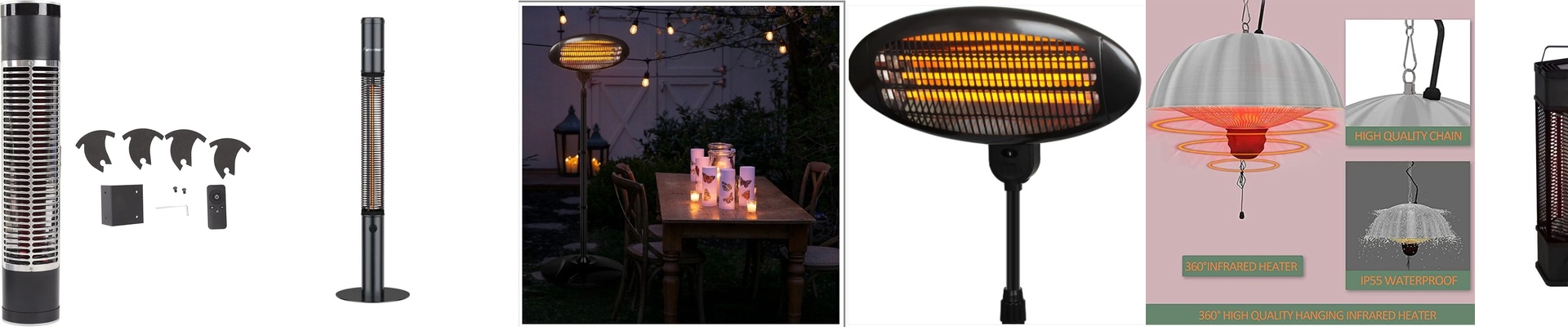
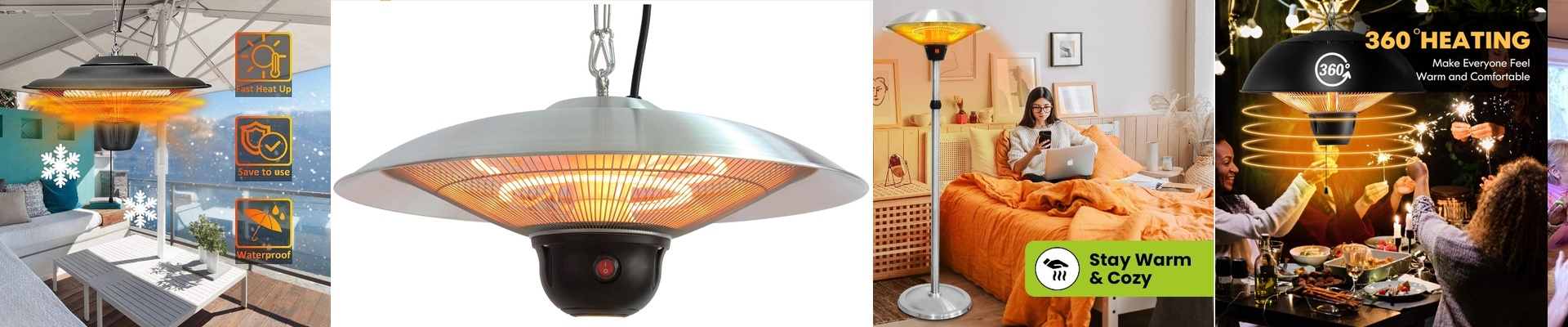
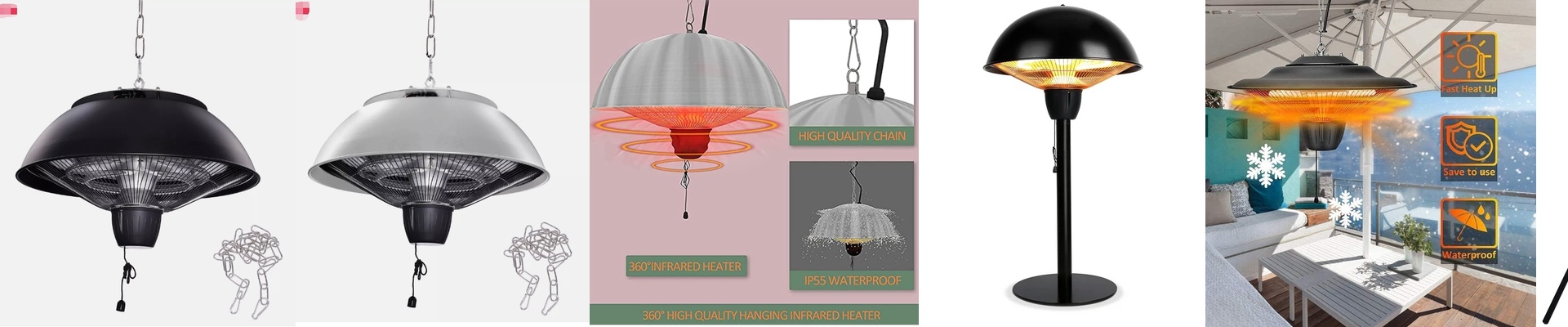
Why Most Outdoor Heaters Die (And How We Fixed Ours)
Let’s be honest: outdoor heaters usually have a pretty short life. Most of them get taken out by two things—water and fog. If you’ve ever had a heater burn out right in the middle of a cold snap, you know how frustrating that is. We spent a lot of time figuring out how to stop that from happening.
Keeping the Water Out
Water and high-voltage electricity are a nightmare pairing. One stray splash in the wrong spot and you’ve got a blown fuse or a completely dead unit. It’s that simple. To stop this, we don’t just “hope for the best.” We use heavy-duty silicone gaskets and reinforced housing to create a real barrier. It’s basically a shield. This keeps the rain and humidity away from the internal wiring so the heater can take a beating from the weather and still actually work when you flip the switch.
The Fogging Problem
Then there’s the fog. You know that cloudy film that shows up on the glass when cold, damp air hits a hot surface? It looks annoying, but it’s actually dangerous for the machine. That fog creates “hot spots” on the glass. Instead of the heat spreading evenly, it bunches up in one area, stressing the quartz until it eventually cracks. We solved this with specialized anti-fog coatings and a better way for air to flow through the unit. It keeps the lens crystal clear, which means the heat stays consistent and the glass doesn’t snap under the pressure.
The Balancing Act
Here’s the tricky part: if you seal a heater too tightly to keep water out, you trap the heat inside. If the internals get too hot, the capacitors fry. We handled this by using specific alloys in the chassis that act like a heat sink, pulling the warmth away from the electronics. But you have to do your part, too. Give the unit some breathing room. If you cram it into a tight, enclosed corner, the temperature will climb and you’ll shorten the life of the heater. Just give it a little space to breathe. We build these for busy outdoor spots where you can’t afford downtime. Better sealing just means you spend less time swapping out burnt-out tubes and more time actually enjoying the warmth.