




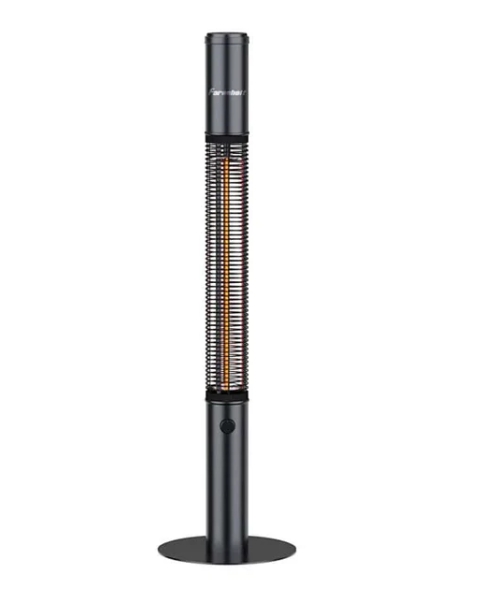
Stop Replacing Your Infrared Heaters Every Few Months
Let’s be honest: most infrared heaters just aren’t built for the real world. If you’re running them in a place that’s humid or wet, you know exactly how it goes. A little moisture creeps in, something shorts out, the terminals corrode, and suddenly your heating element is toast. It’s frustrating, and it’s a waste of money. We decided to fix that by building IPX5 protection and anti-fogging tech right into our units. What does IPX5 actually mean for you? Basically, it means you can hit the unit with low-pressure water jets from any direction and it won’t blink. We did this by sealing the housing and using gaskets that keep splashes far away from the electronics. If you’re working on a shop floor, this is huge. It means coolant mist or a stray cleaning spray won’t kill your heater on the spot. We also put specialized seals around where the wires enter. Why? Because if water leaks into the quartz tube housing, the thermal shock can crack the glass instantly. Our design just shuts those leak paths down. Dealing with the “Silent Killer” Then there’s condensation. It’s a sneaky problem. When a heater cycles off, moisture loves to settle on the lens or the reflector. It creates a fog that blocks the heat from actually getting to where it needs to go. To stop this, we used treated surfaces and clever airflow paths that push the moisture out fast. Your heat hits the target clearly, without getting scattered by random water droplets. The Trade-offs (Because nothing is perfect) Here is the catch: adding all that waterproofing means the unit has a bit more “armor” on it. It’s a slightly larger footprint, and it doesn’t breathe quite as freely as an open-frame heater. Just make sure your mounting brackets have a little extra room to breathe. And a quick tip on the install: please, use the right waterproof glands. A high-spec heater is basically a paperweight if you leave the junction box open. You have to seal the connection points to keep that IPX5 protection working across the whole system. Do that, and you can stop worrying about monthly replacements. Instead, you’re looking at a simple yearly check-up. Much better.