Why you should ditch those old bathroom heat lamps for IP55 Infrared
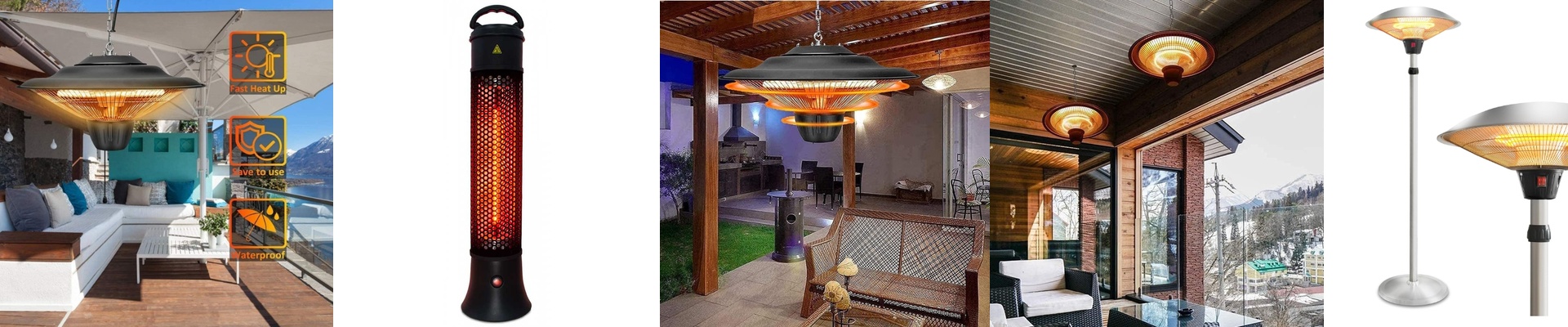
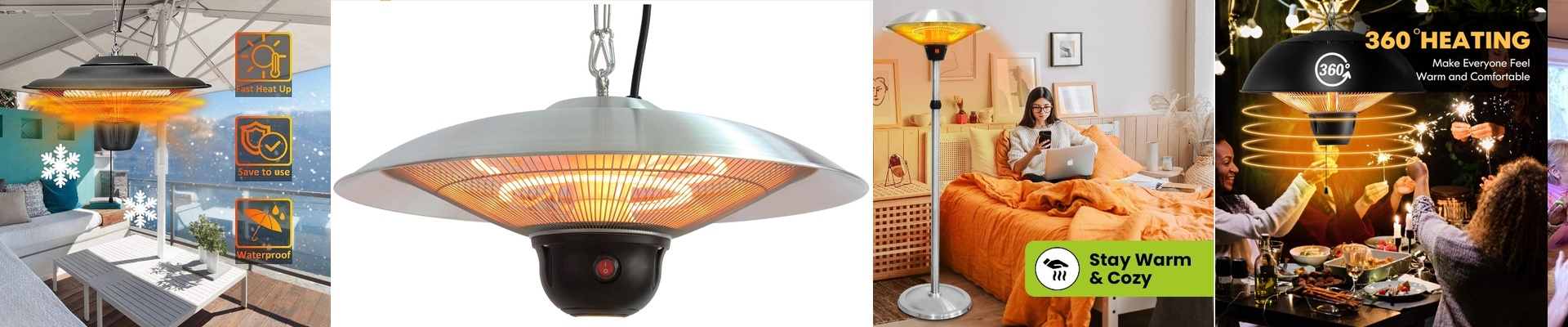
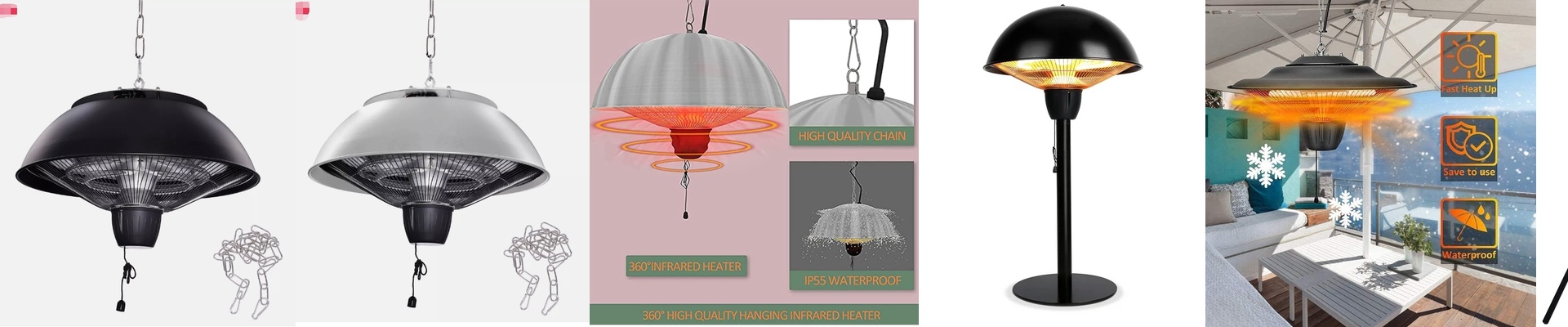
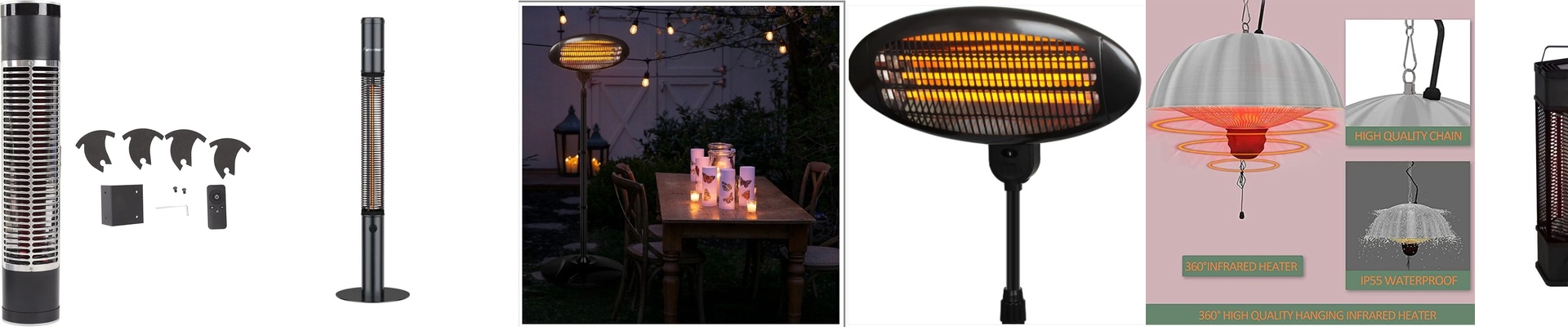
Let’s be honest: those old-school bathroom heat lamps are kind of a joke. They usually just have a basic quartz tube that’s barely protected from anything. In a room full of steam and humidity, they don’t stand a chance. They burn out fast, and not surprisingly. That’s why everyone is moving toward IP55-rated infrared heaters. They actually handle the moisture and the occasional splash without deciding to short out on you. Wait, what does IP55 even mean? Basically, it means the heater is built to keep dust out and can take a hit from water jets coming from any direction. Think about your bathroom. Steam gets everywhere. Direct splashes happen. That’s usually what kills heating elements. By sealing the internals and the emitter, the water stays out. No corrosion, no blown fuses mid-shower. Just heat. The magic of infrared Most heaters try to warm up the air. But in a bathroom—with all those cold tiles and open space—that’s just slow and wasteful. Infrared is different. It doesn’t bother with the air; it sends heat straight to your skin and the surfaces around you. You feel it the second you flip the switch. We use specific emitters that hit a very particular wavelength (0.76 to 1.4 microns), which means the heat actually reaches you instead of just warming up your ceiling. A few things to keep in mind If you’re swapping these in, you can’t just plug and play. You’ll need to take a look at your wiring. These units pull more current because they’re designed to heat up fast. If your cabling is too thin or your circuit is already overloaded, you’re going to trip your breakers. It’s worth double-checking the amp draw before you start drilling holes. And yeah, there’s a trade-off. A properly waterproofed housing is a bit chunkier than a slim little halogen bulb. You’ll lose a tiny bit of ceiling space. But honestly? I’d rather have a slightly bigger fixture than a heater that dies the first time winter hits. If you’re renovating and the unit is going right above the tub or shower, this is the way to go.