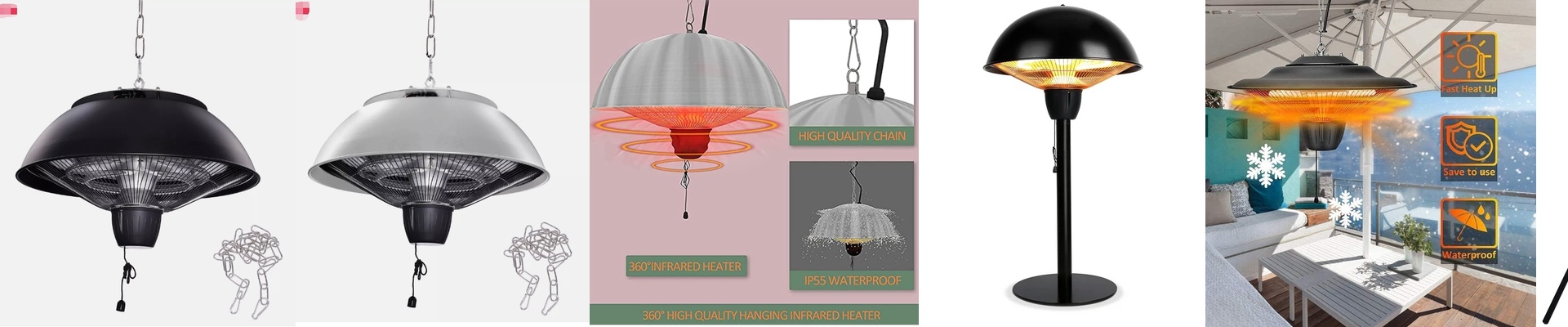
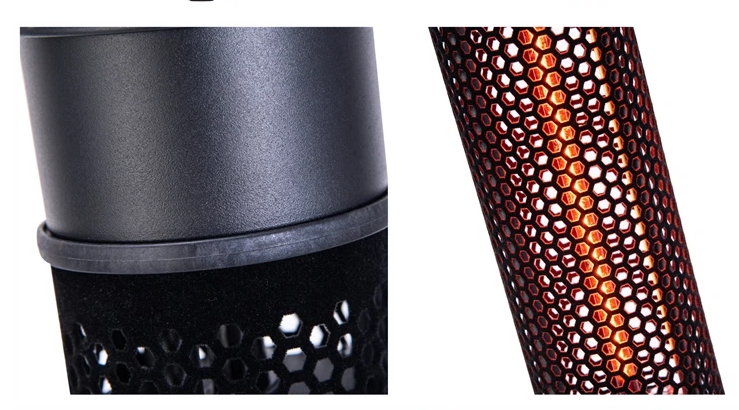
Why we put our bathroom lamps through a “humidity hell”
Let’s be honest: bathrooms are a nightmare for electronics. You’ve got thick steam, constant humidity, and temperature swings that would make any circuit board cringe. It’s basically a recipe for things to break. That’s why we don’t just flip a switch and say, “Looks good, ship it.” Instead, we put every batch through damp-heat aging tests. We basically try to break them in a few weeks so they don’t break in your customer’s house three years from now. The battle against moisture Here’s the thing about water vapor—it finds a way. It sneaks into the tiniest gaps in the housing and slips past the seals. Once that moisture hits the live parts, you’re looking at short circuits or leakage. We use these high-temp humidity chambers to practically force moisture into every nook and cranny. If a quartz tube is going to crack or a lamp is going to burn out, we want it to happen in our lab. Not in someone’s bathroom. Testing the weak spots Our lamps use quartz glass and specific sealants to keep the halogen gas where it belongs. But the spot where the glass meets the metal end-cap? That’s the danger zone. We cycle the lamps between blistering heat and saturated humidity over and over. It puts a massive amount of stress on the mechanical bonds. We’re looking for “creepage”—which is just a fancy way of saying electricity is starting to wander where it shouldn’t. If that happens, it’s a disaster. The heat trade-off People love shortwave infrared lamps because they heat up instantly. It’s a great feeling. But that kind of intense heat puts a lot of pressure on the internal wiring. Add 90% humidity to that mix, and you’ve got a real risk of oxidation. It’s a bit of a tug-of-war: higher wattage means faster heat, but it also means the components take a beating. We pick our materials carefully to handle the stress, but the aging test is the only way to actually prove the seals can hold up when things get sweaty.