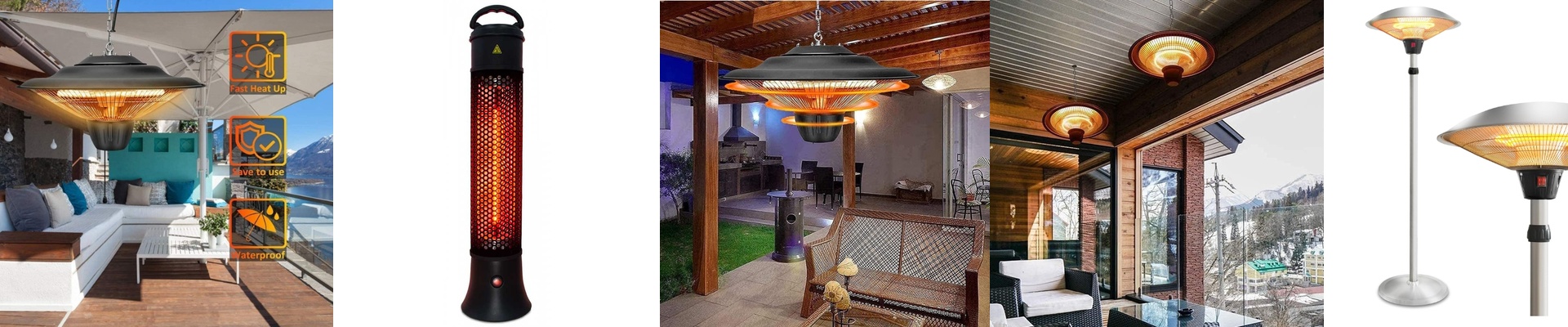

Stop the Shiver, Kill the Mold
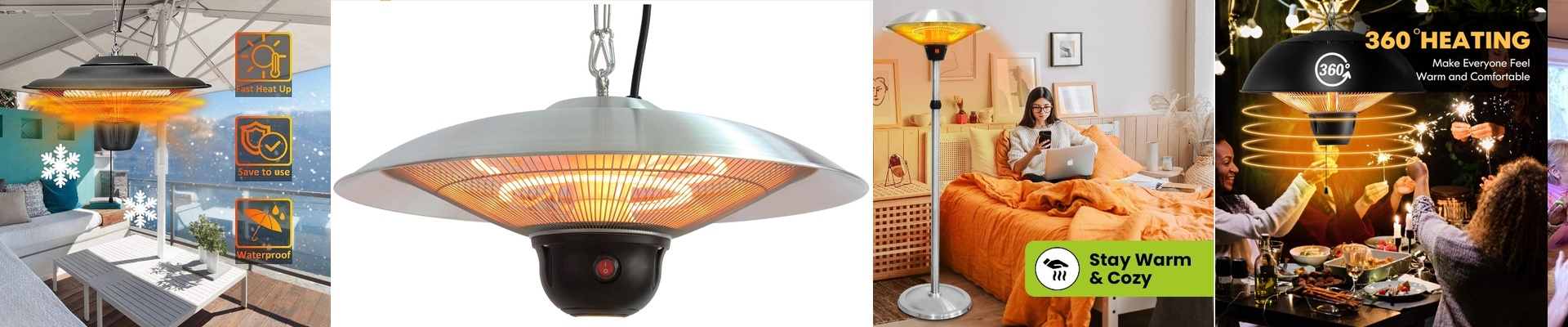
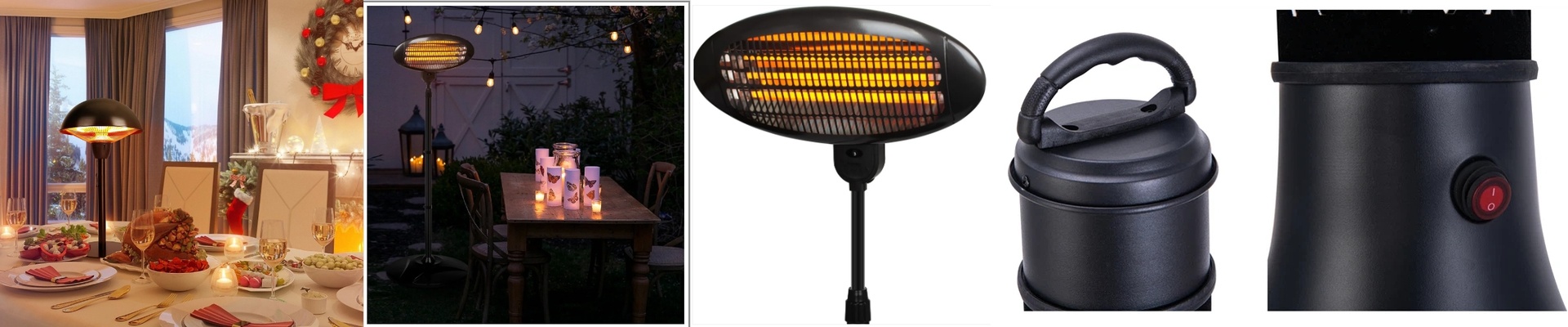
Most people think a bathroom heater is just about not freezing while you’re drying off. But if you look closer, it’s actually about fighting water. When we talk about using an IP65-rated infrared heater in a wet room, we aren’t just talking about warmth. We’re talking about using specific light waves to actually dry out your surfaces.
How the drying actually works
Standard heaters just warm up the air. The problem? That often leaves your walls cold and damp, which is basically an invitation for mold to move in. Our infrared lamps do things differently. They use short-wave radiation that sinks right into the walls and floors. Instead of warming the air, it makes the water molecules themselves vibrate. It forces that moisture to evaporate way faster than any old-school convection heater could. You drop the surface humidity quickly. No damp walls. No mold. Just a dry room.
The “Waterproof” Side of Things
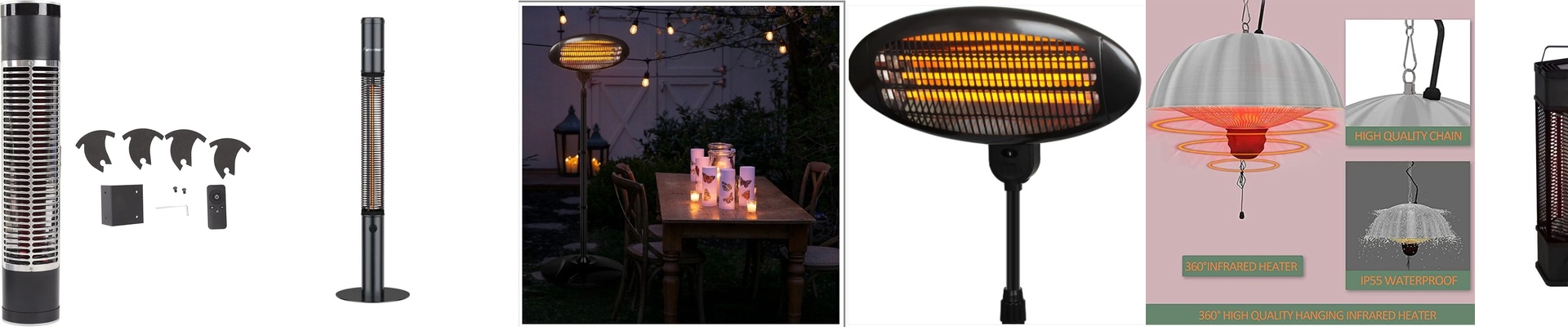
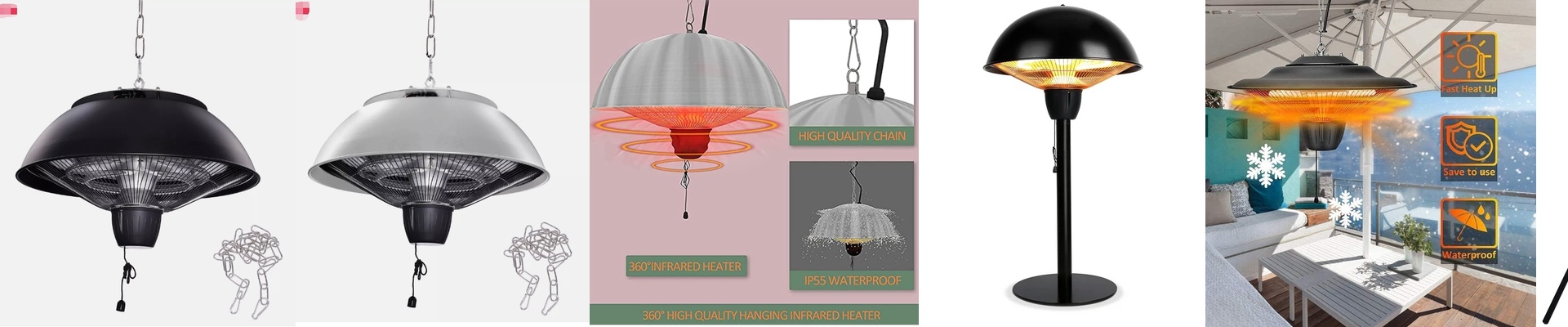
You can’t just throw any piece of electronics into a shower zone. That’s a recipe for disaster. We use IP65-rated enclosures to keep steam and spray away from the guts of the machine. The gaskets and cable entries are sealed tight. But here is a pro tip: because the unit is sealed, it can’t “breathe” to let heat out. If you mount it directly onto a freezing exterior wall, you’re creating a thermal bridge. That constant swing between hot and cold can wear out the components faster than you’d think. Just keep that in mind during install.
A Note for the Engineers
When you’re wiring these up, keep an eye on the load. These lamps pull a lot of current the second they kick on. Make sure your breakers are spec’d for that initial peak wattage, not just the average run. It’s a simple bit of physics. By hitting the moisture where it lives rather than just heating the air, you don’t have to lean so hard on those loud exhaust fans. You end up with a space that’s actually hygienic and feels great to be in.