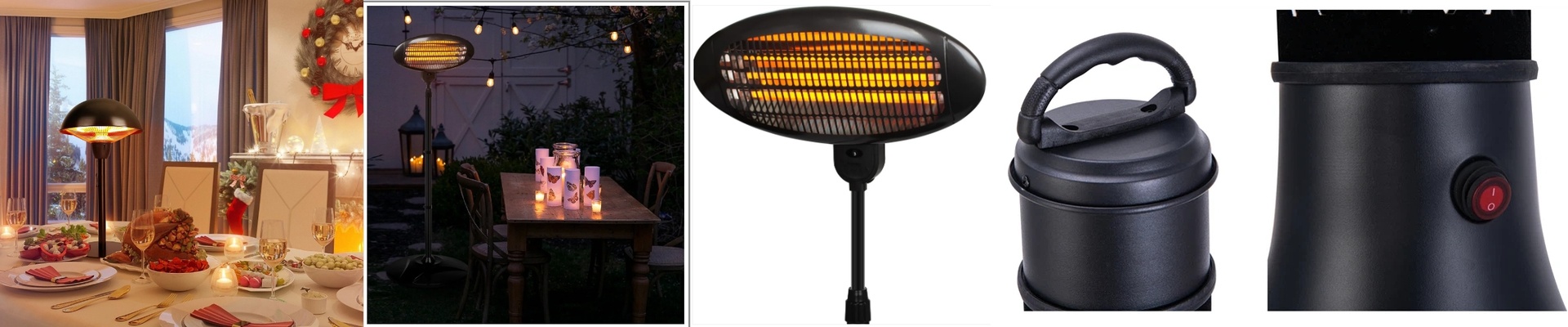
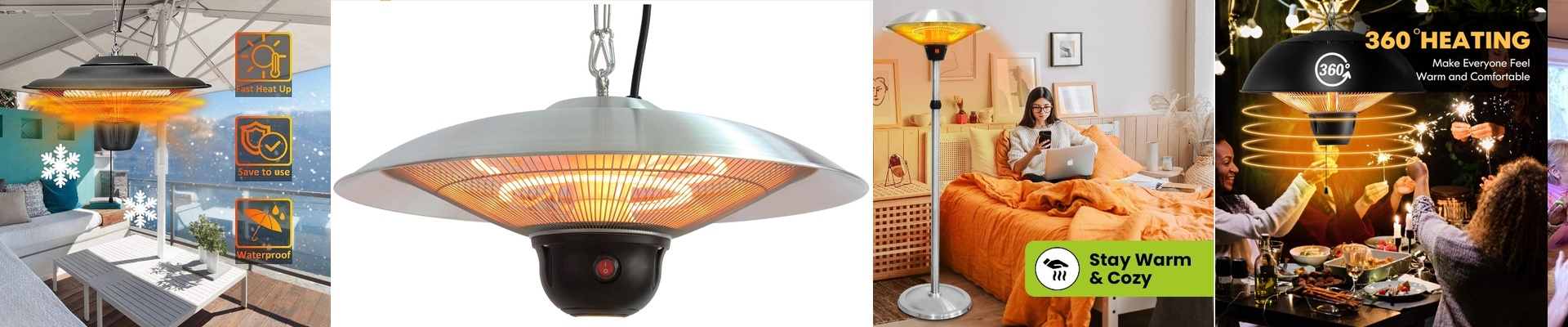
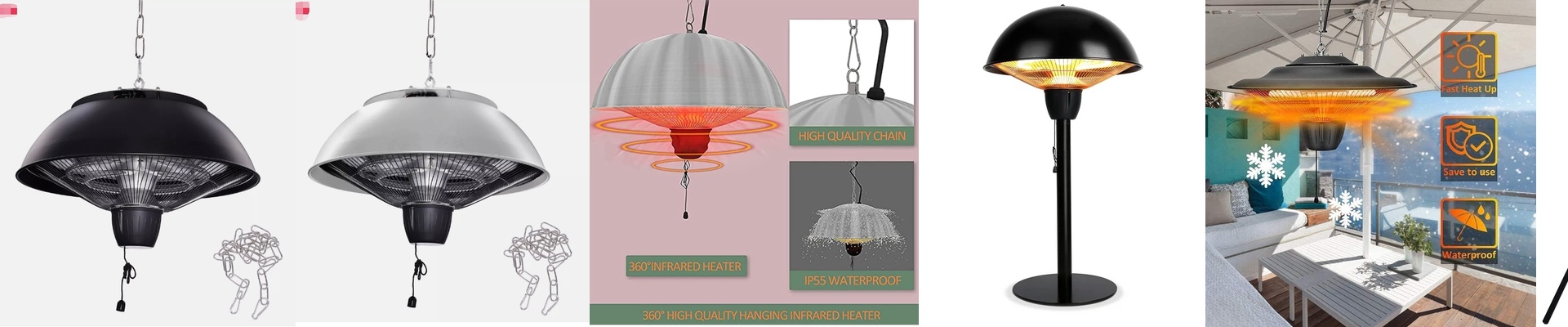
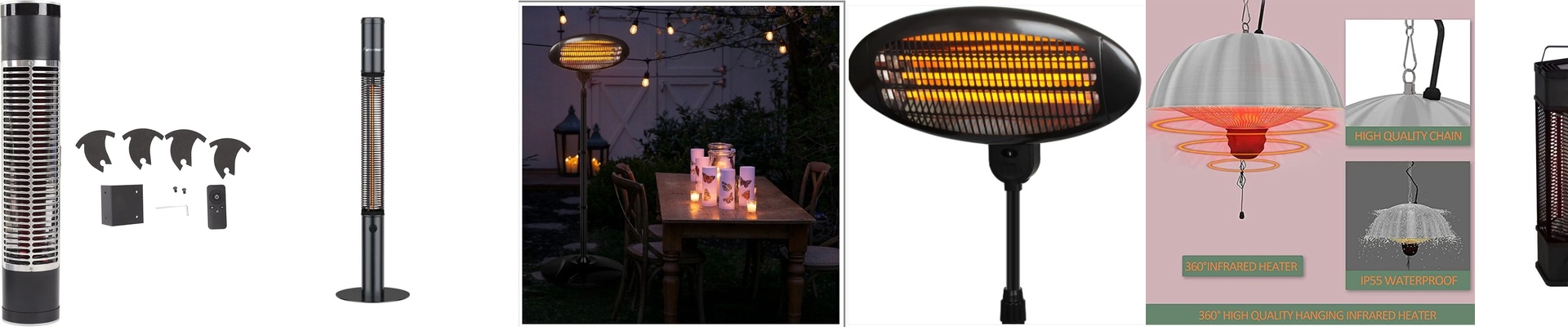
Making Bathroom Heaters That Actually Make Sense
When you’re building a heater for a bathroom, an IP65 rating is a good start—it keeps the electronics dry—but it’s not the hard part. The real challenge? Making sure it’s safe for the people using it. Especially babies. If you’ve ever looked at a high-powered heater, you know that blinding glare. That’s a problem. You can’t just blast a room with light that could potentially hurt someone’s eyes, but you also can’t just turn down the power, or the room stays freezing. Dealing with the glare We handle this by tweaking how the infrared emitter actually behaves. Most standard lamps just throw every frequency at the wall, including those harsh, bright lights. To fix that, we use special coatings and doped quartz glass. Think of it like a filter. It blocks those sharp blue-light peaks and pushes the energy toward the long-wave infrared range. The result? You get all that cozy, skin-warming heat, but the light stays soft. It’s a much more relaxing vibe for a bathroom. The struggle with waterproofing Here’s the thing about waterproofing: it’s always a trade-off. To get that IP65 seal, we use high-temp gaskets and waterproof cable glands. It keeps the steam and splashes out of the guts of the machine, which is great. But a sealed box is basically an oven. If you trap all that heat inside, the internal driver is going to fry. To stop that from happening, we use oversized aluminum heat sinks and carefully planned venting paths. It lets the internals breathe while the lamp is cranking out full wattage. Getting it installed We designed these to be simple drop-in replacements for the fixtures you already have. We even used specific wiring that doesn’t corrode in high humidity, because nothing is worse than a terminal rusting out after a year. One quick tip: make sure your mounting surface can handle the heat. If you cram too many of these into a tiny ceiling void with no airflow, the thermal cutoff will kick in and shut everything down. It’s just basic physics. If you put heat in, you’ve got to give it a way to get out.