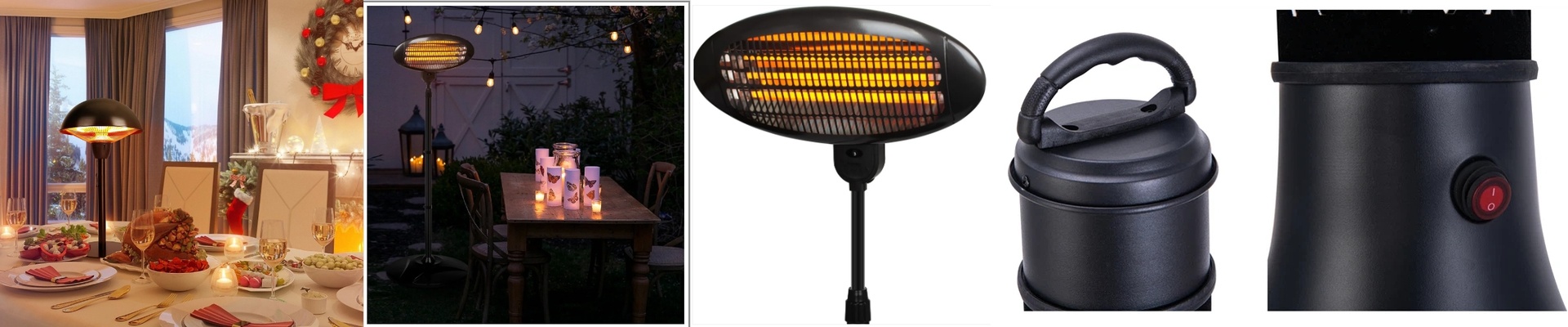
Making Smart Infrared Table Heaters Actually Work
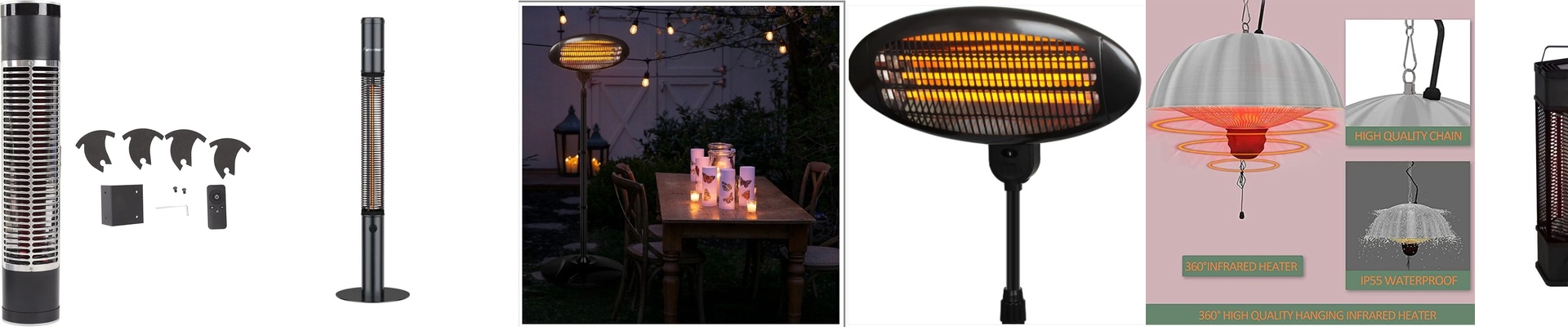
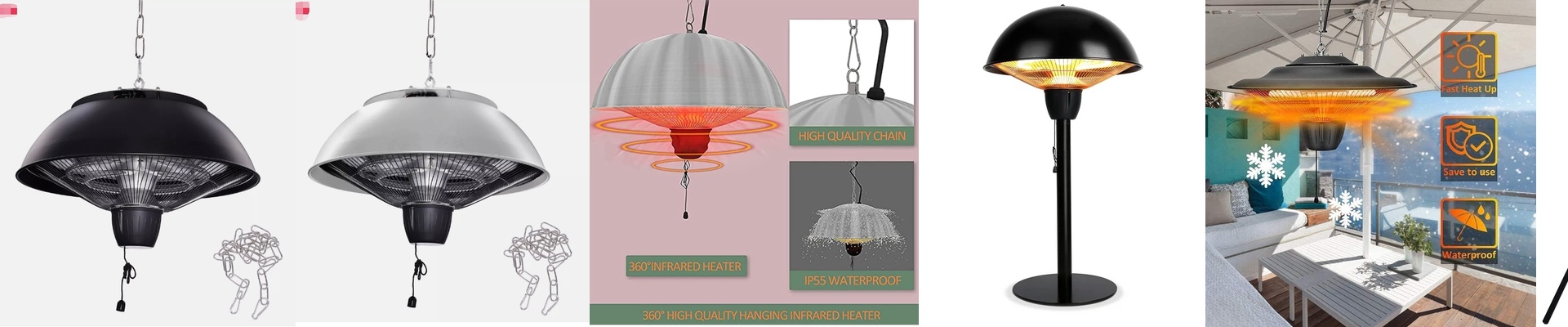
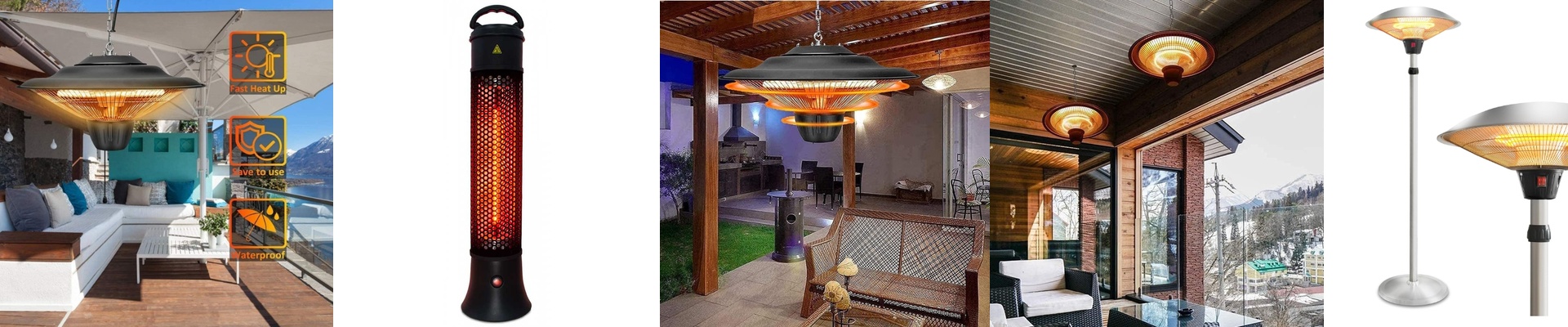
We built these infrared table heaters to take a beating. Between the dust and the occasional spill, most electronics just give up, but ours have an IP55 rating. In plain English? That means they’re sealed up tight. You can wipe them down with a damp cloth or use them in a humid room without worrying about a short circuit.
Heat that hits you instantly
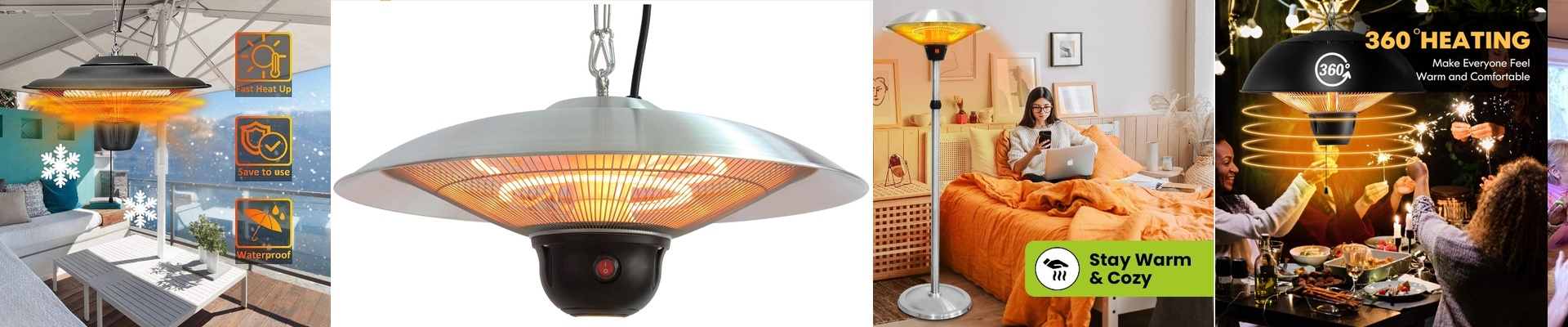
Most heaters waste time trying to warm up the air in the whole room. It’s slow. These units are different. They use short-wave infrared, which means the heat travels directly to you. You flip the switch, and boom—you feel it. No waiting. To make this “smart,” we just tuck a Zigbee or Wi-Fi module in there to act as the bridge between the heater and your phone.
Getting it into your smart home
If you want that “one-tap” feeling from your phone or a voice command, you just connect the heater to your home hub. We run the power through a heavy-duty smart switch that can actually handle the wattage. But here is a heads-up:don’t cheap out on the wiring. Infrared lamps pull a lot of power the second they kick on. If your switch is too small for the job, you’re going to fry the relay in a few months. It’s a simple mistake, but a costly one.
The tricky part: Balancing seals and heat
Here’s the thing about sealing a device to keep water out—it also keeps heat in. Since the internals are locked away for safety, things get a lot hotter inside the casing than they would in an open box. To stop the housing from warping or melting, we use thermal gaskets and wiring that can handle the heat. Just make sure you give the unit some breathing room. If you cram it into a tight corner without any airflow, the thermal cutoff will kick in and shut everything down. Give it some space, and it’ll run perfectly.