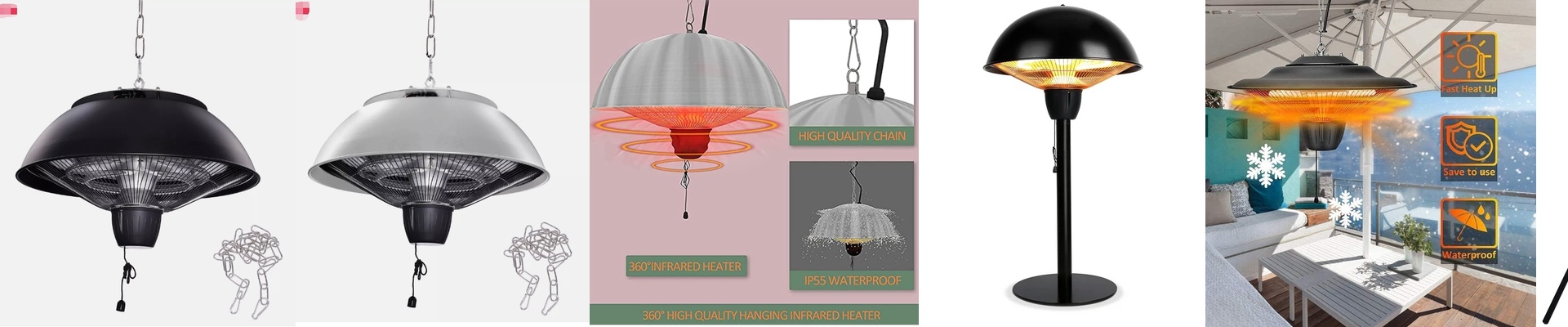
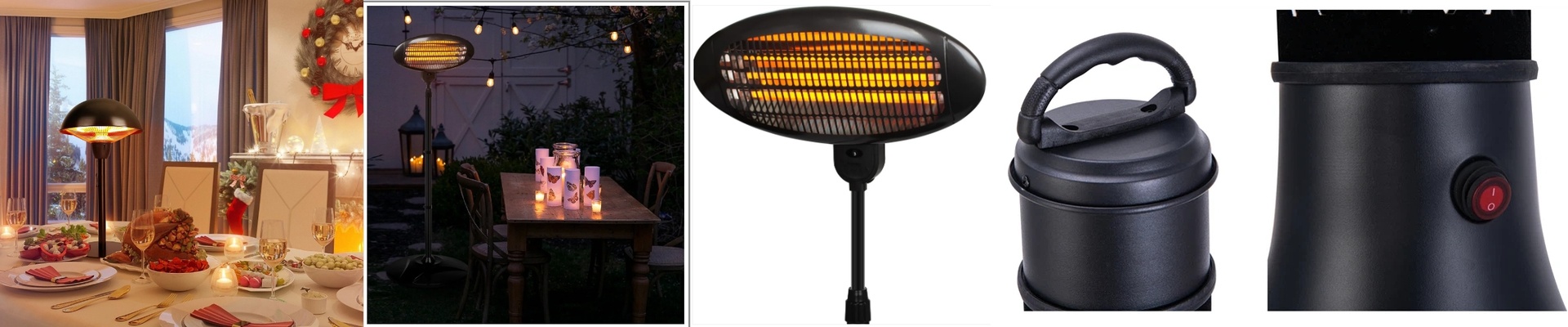
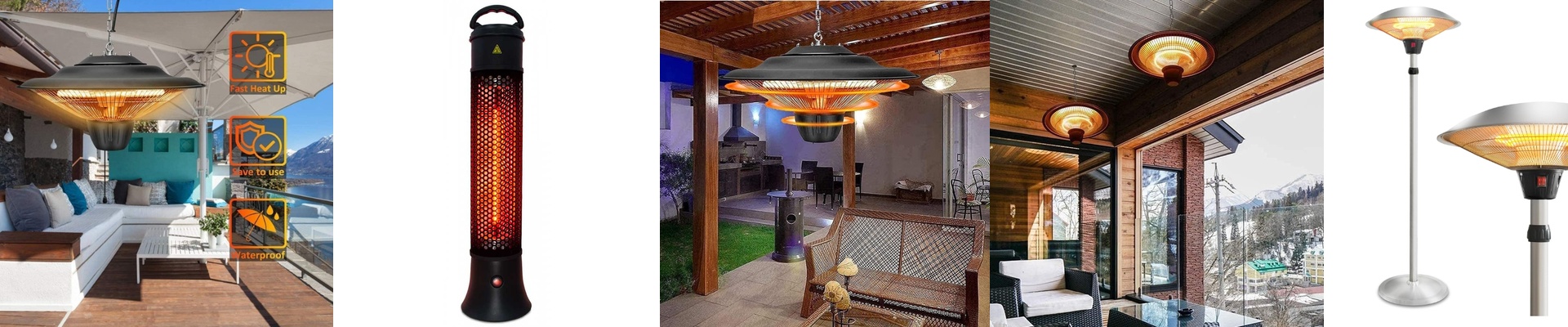
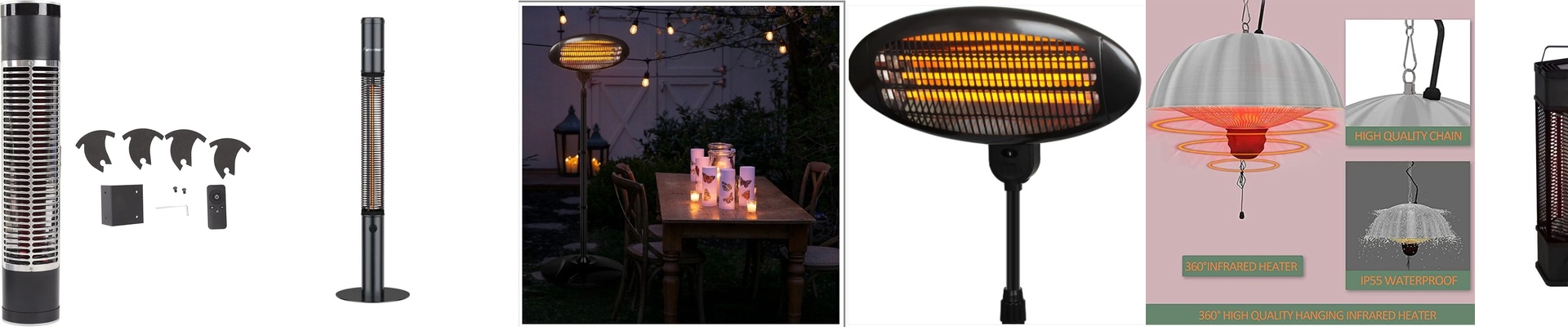
Keeping Your Infrared Heaters from Shorting Out in Wet Spots
If you’re putting infrared lamps in a place like a poultry house or a wash-down zone, you’ve probably already realized the problem: water and electricity are a nightmare pairing. Between the thick humidity and the occasional direct splash, your heating element is basically a magnet for short circuits. Nobody wants to spend their day chasing a blown fuse or worrying about someone getting a shock. To stop that from happening, it all comes down to how you seal the unit and the materials you pick. Dealing with the damp Here’s the thing about humid air—it makes it way too easy for electricity to leak. Instead of staying where it belongs, the current starts creeping across the surface of the lamp housing. We handle this by sticking with high-grade quartz glass and ceramic end-caps. They act like a wall, keeping the power locked inside the tungsten filament so it doesn’t decide to jump over to the grounded chassis. The “weak link” problem In my experience, the connector is always where things go wrong. Whether you’re using an R7s or some custom screw-cap, that joint where the wire meets the lamp is exactly where moisture likes to sneak in. We use silicone gaskets and adhesive-lined heat-shrink tubing to lock it down tight. It’s a simple fix, but it’s vital. If water gets into that socket, you get corrosion. Then comes the high resistance. And before you know it? Your lamp burns out. The balancing act You might be tempted to just wrap the whole thing in plastic to keep it dry. Don’t do that. You’ll block the infrared radiation and the heater becomes useless. Instead, we use open-element designs with coatings that shrug off moisture. It lets the heat flow freely while keeping the electricity contained. But there’s a catch. The more you seal the unit to keep water out, the more you trap heat around the wiring. It’s a trade-off. To keep things from melting from the inside out, you’ve got to use cables rated for much higher temperatures than you would in a dry room.