Making Bathroom Heaters That Don’t Blind You
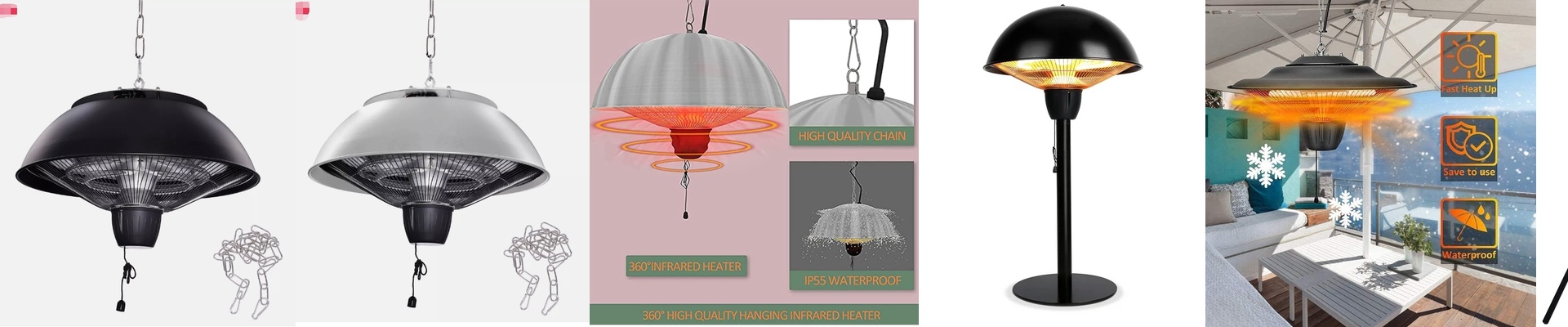
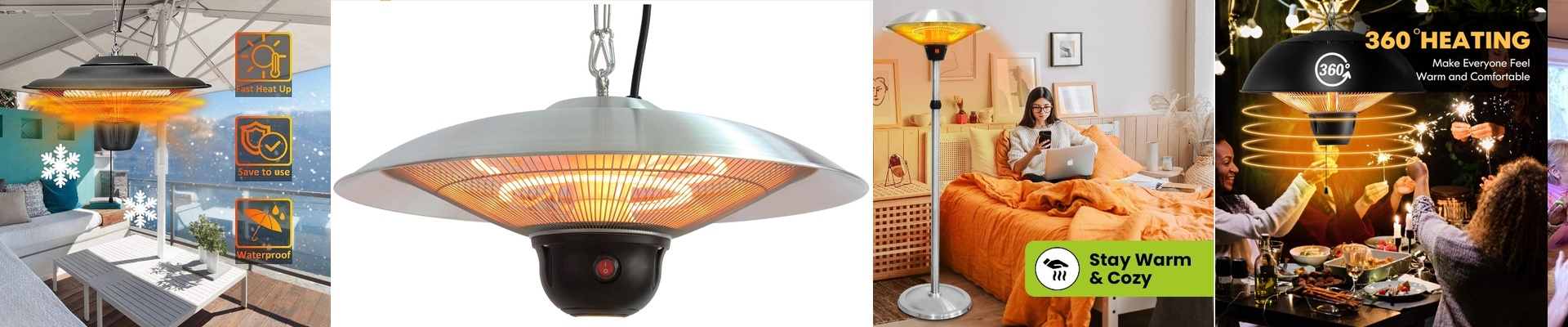
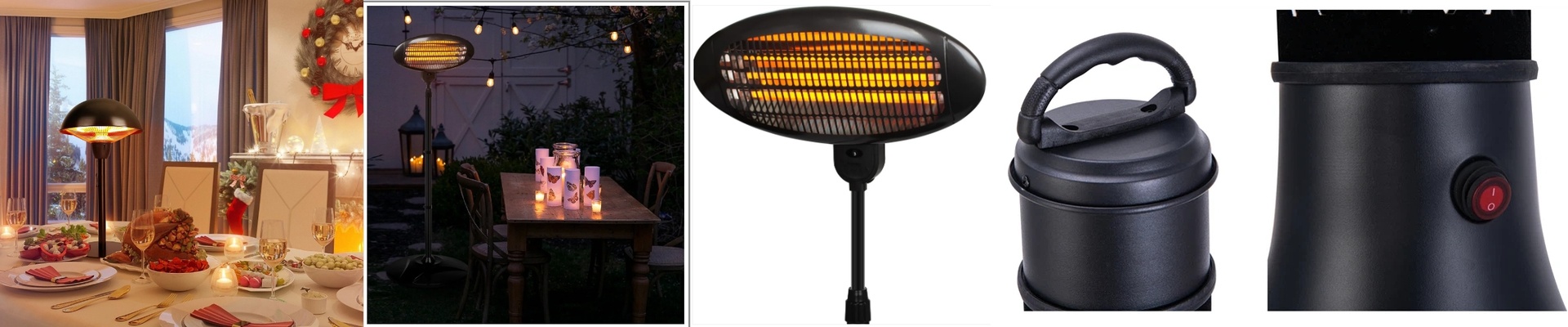
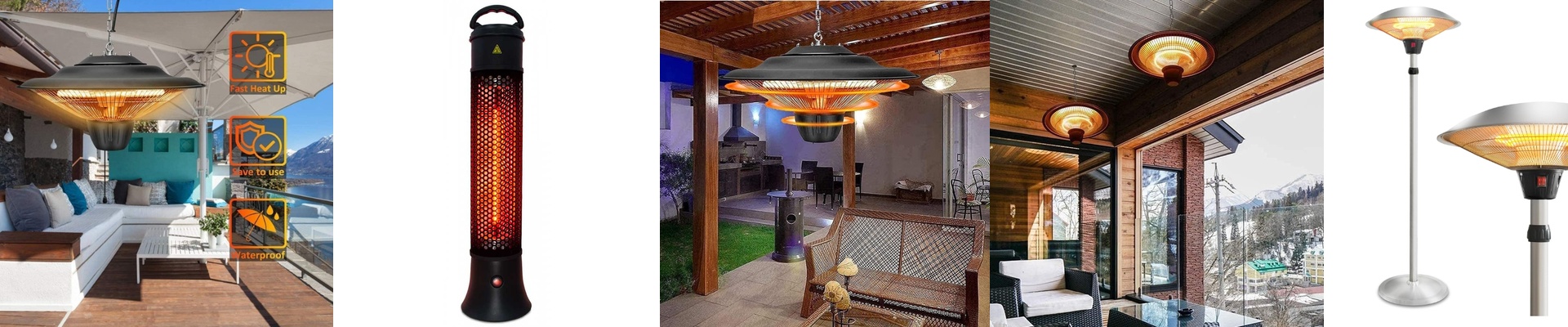
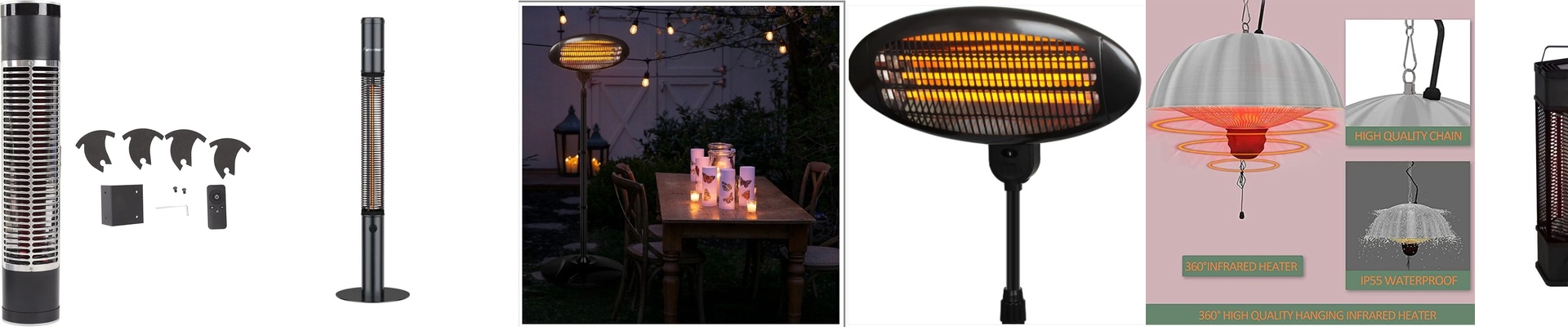
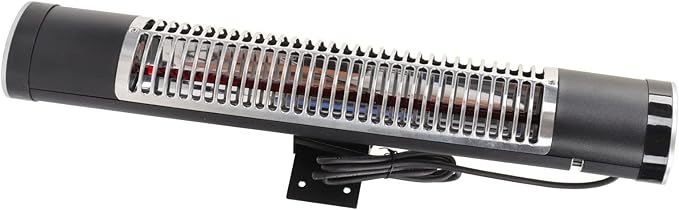
When we’re building infrared heaters for the bathroom, the biggest headache isn’t actually the heat. It’s the light. Most short-wave lamps put out this blinding white glare. It’s harsh. It strains your eyes. And if you’ve got a baby in the house, it’s even worse because their eyes just aren’t ready for that kind of intensity. So, we changed how the light works. Instead of letting that harsh blue light fly everywhere, we use special quartz coatings and specific filaments to filter it out. We push the energy toward the longer-wave infrared spectrum. The result? You still get that deep, cozy warmth, but the glare disappears. This isn’t about making the bathroom look “moody” or pretty—it’s about making sure you aren’t stressing out your retinas every time you step out of the shower. Dealing with the water Bathrooms are wet. Simple as that. To get an IPX4 rating, the heater has to handle splashes coming from any direction without quitting. We spend a lot of time sealing the electrical junctions and the lamp housing. One tiny leak into the socket and the whole thing shorts out or burns through. To stop that, we use high-temp gaskets and glass-to-metal seals. It keeps the guts of the machine bone-dry while you’re splashing around. The honest trade-offs Here’s the thing: you can’t have a totally dark lamp and maximum heat efficiency at the same time. Filtering the light does take a little bit of the “punch” away compared to a raw, uncoated halogen tube. Because of that, you’ll want to bump up your wattage slightly to make sure it still feels plenty warm. And a quick tip on the install: put these on their own dedicated circuit. When they first kick on, they pull a lot of power, which can trip a cheap breaker. Also, don’t seal the housing too tight. I know the IPX4 rating is important, but the unit still needs to breathe. If there’s no venting, you’ll end up cooking your own internal wiring.