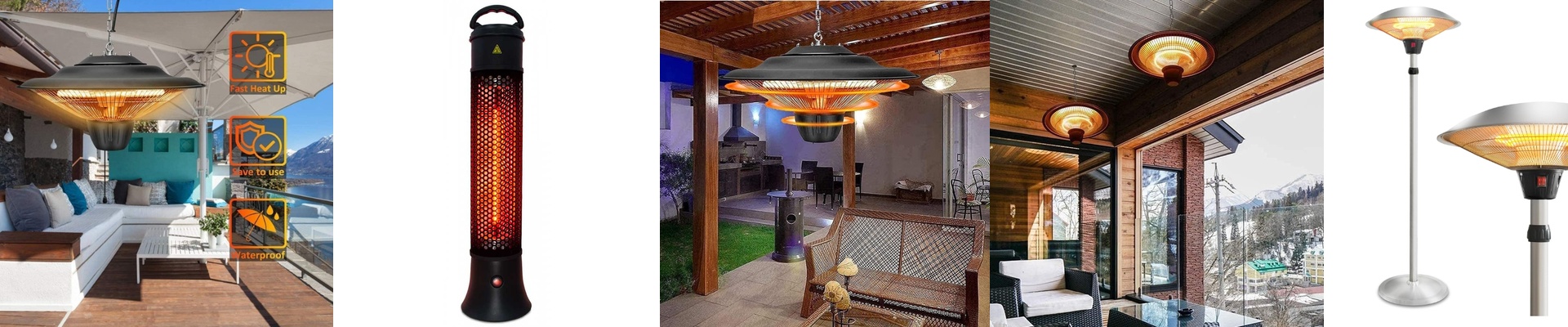
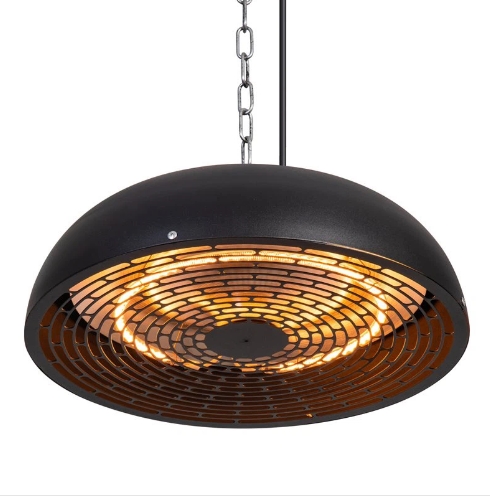
Making Smart Infrared Heaters That Actually Work in the Real World
We wanted to build a heater that brings that heavy-duty industrial power into a normal home, but without the clunky controls. That’s where the IPX4 rating comes in. Basically, it means the unit can handle water splashes from any angle. It’s a lifesaver for bathrooms or those semi-outdoor patios where things tend to get damp or a stray spray of water is bound to happen.
Heat, and fast.
Most heaters just try to warm up the air around you, which takes forever. These are different. They use shortwave infrared radiation to heat you and your furniture directly. The second you hit a button on your smart hub, the tungsten filament glows. There’s no waiting around for the room to “warm up.” You feel the heat instantly. It’s a great feeling when you’ve just stepped out of a shower on a freezing January morning.
Getting it to play nice with your smart home
To get these working with your existing setup, we use a reliable relay or a PWM controller. We usually wire them in using Zigbee or Matter, which is just a fancy way of saying they’ll actually talk to your other devices without a fight. One of my favorite things is grouping a few units together. You can set a single command to trigger a burst of warmth across the whole room. Plus, you can hook them up to occupancy sensors, so the heat is already waiting for you the moment you walk in the door.
A few things to watch out for
Here’s the catch: these lamps pull a lot of power. If you try to cram four 1500W units onto one smart circuit, you’re probably going to trip your breaker. You’ve got to make sure your electrical panel can actually handle the load before you go all out. And just a heads-up—IPX4 is great for splashes, but it doesn’t mean you can dunk the heater in a pool or blast it with a high-pressure power washer. Keep it away from the heavy-duty jets.
The reality of installing them
If you’re swapping out an old unit or putting in something new, give the chassis some breathing room. Even with the splash-proofing, the housing gets hot. If you mount it too tight against a wall or ceiling, your smart sensors might think there’s a fire and shut everything down way too early. Just leave a little gap, and you’re good to go.