Stop the “Glass Snowstorm”: How We Handle Lamp Bursts in Wafer Processing
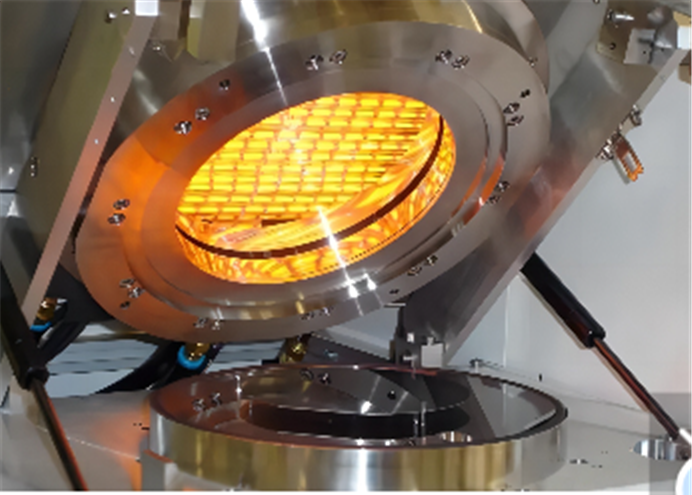
In a high-volume semiconductor fab, a burst infrared lamp isn’t just a “technical glitch.” It’s a nightmare. When a quartz tube pops, it doesn’t just stop working. It showers your wafers in glass shards and chemical gunk. One bad lamp can turn your cleanroom into a disaster zone in seconds. We figured out a better way to handle this: we tuck the heating elements inside custom stainless steel housings. Keeping the mess contained Think of these housings as a safety shield. By putting a high-grade steel barrier between the lamp and your workpiece, we’ve basically built a containment vessel. If a tube cracks or blows under the heat, the steel catches the debris. You don’t get that “snowstorm” of quartz fragments drifting across your equipment. It keeps the mess where it belongs. The heat struggle Now, there’s a catch. Stainless steel is great for safety, but it can trap heat. If you aren’t careful, you’ll end up cooking the lamp’s own electrodes. To fix that, we don’t just guess. We calculate exact venting gaps to let the heat breathe. We also polish the inside of the housing. This bounces the IR radiation right back toward the wafer, so you get the heat you need without killing the lamp. Making it work in the real world We focus heavily on the fit. The housing holds the lamps tight, which stops them from vibrating. Less vibration means the filaments don’t fatigue as quickly. When a lamp finally hits its limit, you just swap the tube out from inside the shell. Simple. One quick tip: keep an eye on your vacuum or purge gas flow. You’ve got to make sure the airflow matches the size of the housing. If the air is too sluggish, the heat builds up, and your new lamps won’t last nearly as long. We spend a lot of time tweaking those tolerances so you get the best of both worlds—total containment and a long lamp life.