Keeping Your Heaters Alive in Wet Environments
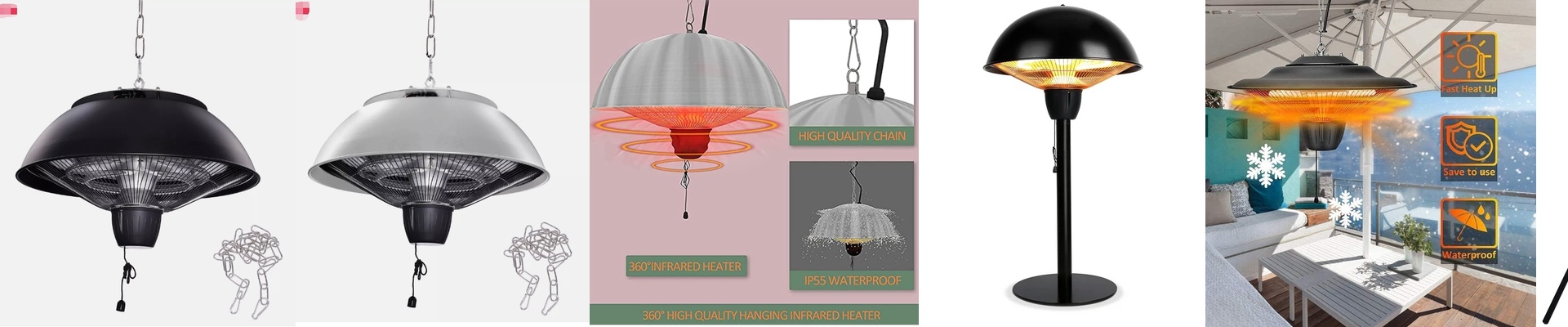
Look, we all know water and electricity are a disaster waiting to happen. In a place where mist, spray, or heavy humidity is just part of the daily grind, a standard infrared heater is basically a ticking time bomb. It’ll short out or just rust away in a few weeks. That’s why we built our IPX4 series. We wanted something that actually stops moisture from sneaking into the electrical contacts and the heating element. What does “IPX4” actually mean for you? Basically, it means the unit can handle splashes from any angle. We didn’t just slap a label on it; we sealed the junction boxes and used gaskets to keep the internal wiring bone-dry. Now, you can’t go dunking these in a swimming pool. But when a crew is spraying down a production line or steam is thick in a wash-down area? The heater just keeps humming along. The battle against “burn out” Moisture does more than just cause electrical shorts. It causes thermal shock. Imagine a freezing drop of water hitting a scorching hot quartz tube—the glass can crack instantly. To stop that, we used specialized coatings and a housing design that deflects spray and manages condensation. By keeping the element dry, we stop that annoying cycle of replacing burnt-out lamps every other month. A quick heads-up on the trade-offs Here’s the thing: when you seal a heater tight to keep water out, it’s harder for the internal electronics to “breathe.” They can run a bit hotter. Because of that, you’ve got to get your airflow right. If you cram these into a tight, closed cabinet without any ventilation, you’re probably going to trip the thermal cut-off. Just give them some room to breathe. The bottom line We’ve seen these units double the lifespan of heaters in chemical plants and food processing hubs. It means you aren’t spending half your shift swapping out dead equipment. Just wire it to a proper GFCI circuit, mount it so it isn’t taking a direct hit from a high-pressure jet, and it’ll take a beating without quitting on you.