
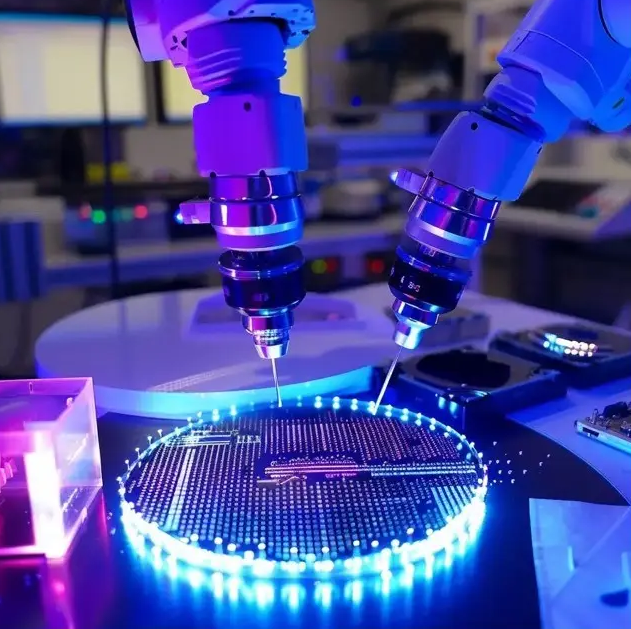
Stop Waiting on Your Rinse Cycle: IR vs. Hot Air
If you’ve spent any time in a semiconductor shop, you know the rinse stage is usually where everything slows down. It’s the classic bottleneck. A lot of people are still using hot air circulation. The problem is, that’s just convection. You’re heating the air, then waiting for the chamber to get warm, and then finally heating the wafer. It’s a slow process. It feels like you’re just killing time. Here’s the thing about Infrared (IR). IR heating completely changes the timing. Instead of warming up the room, IR lamps shoot electromagnetic radiation straight onto the wafer surface. You’re skipping the middleman. There’s no “warm-up” lag. For a rinse-dry cycle, that means your wafers spend way less time just sitting there. You end up moving more product per hour without having to buy more floor space. It’s a massive win for your workflow. But you can’t just toss a regular lamp into a wet zone. Water and circuitry don’t mix. Humidity or a stray splash would fry the electronics or crack the quartz in a heartbeat. That’s why we use lamps with specialized waterproof seals and moisture-resistant coatings. It lets the heat source sit right where it needs to be—close to the action. Just a heads-up: because these lamps dump energy so quickly, you have to be careful with your PID controllers. If you aren’t dialed in, you can overshoot the temp and warp your substrate. It’s powerful stuff, so precision matters. Making the switch For most old convection ovens, switching to waterproof IR is a pretty straightforward swap. You get faster ramp-ups and a smaller footprint. One tip before you start: check your power supply. IR lamps pull a concentrated load, which is different from those spread-out heating elements you’re used to. Make sure your wiring can handle the peak wattage, or you’ll be tripping breakers the second you hit the power switch.