Getting Thermal Management Right in Biosensor Fabrication
If you’re building biosensors, you know the drill: curing and drying your substrates is where things usually go sideways. For a long time, everyone just threw everything into a convection oven and hoped for the best. But in a modern fab, that’s just not how we do it anymore. We’ve shifted to infrared (IR) systems. Why? Because you can control the heat down to the millisecond. It’s a level of precision that actually lets you keep up with the speed of a digital production line without losing your mind.
The Balancing Act: Power and Heat
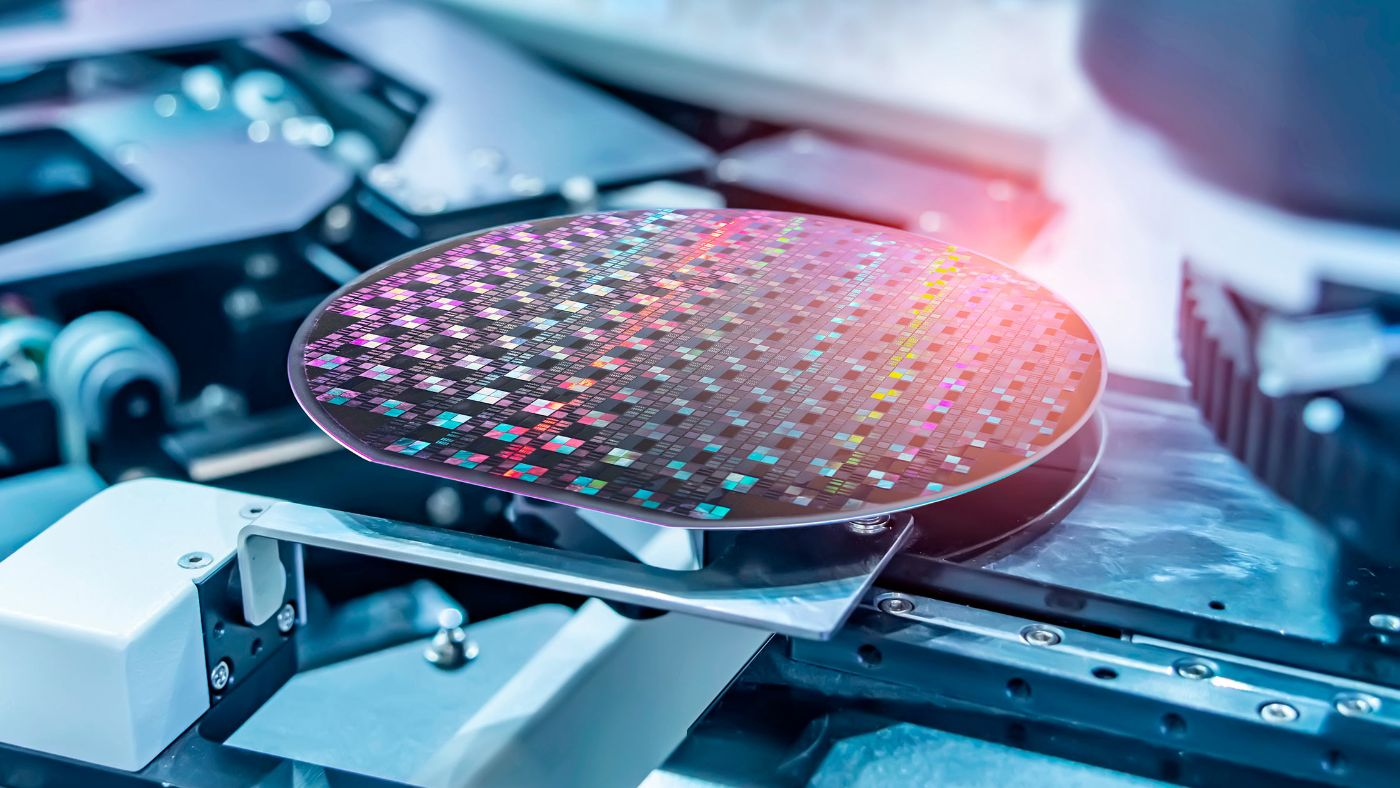
When we’re picking out an IR system, it all comes down to how fast you need to ramp up. You want high-wattage lamps that can hit the polymers hard and fast to cure them, but you have to be careful. If you overdo it, you’ll fry the biological reagents—and then you’ve just got a very expensive piece of scrap. The trick is matching the lamp’s spectral output to what your substrate actually absorbs. If your voltage is off, you’ll get these annoying “hot spots” or cold zones across the wafer. One bad patch and the whole batch is toast.
The Nitty-Gritty Hardware
We stick with quartz envelopes. They let the light through and don’t freak out when they hit harsh chemicals. Then there’s the connectors. Whether you go with a standard R7s or a specialized Sk15, it really just boils down to how much you hate downtime. The right fit means you can swap a lamp out in seconds without worrying about arc-overs at the terminals. I also like using coated elements. They push the emission into the shortwave range, which means the heat actually sinks deep into the material instead of just scorching the surface.
The Trade-offs
Moving to a digital IR setup is great because you get real-time data. You can hook it up to a PLC and let the system adjust the power on the fly based on what the sensors are seeing. It’s a huge relief not having to guess. But here’s the catch: these high-density lamps put out a massive amount of waste heat. If your HVAC and cooling manifolds aren’t up to the task, your whole room starts to warm up. Once your ambient temperature drifts, your sensor calibration goes right out the window. Don’t forget to check your cooling before you flip the switch.